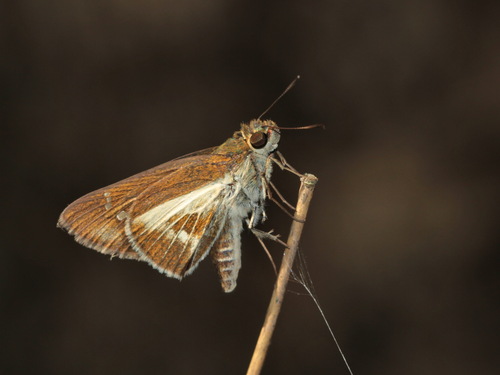
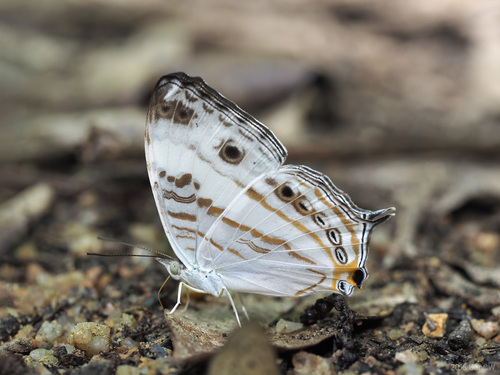
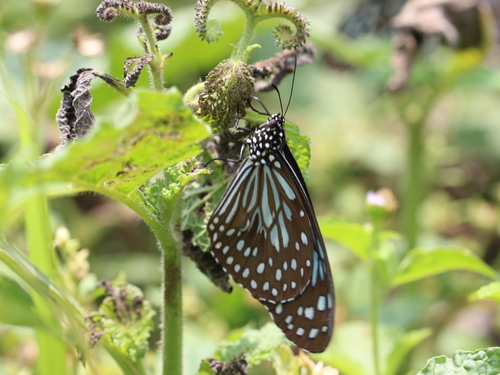
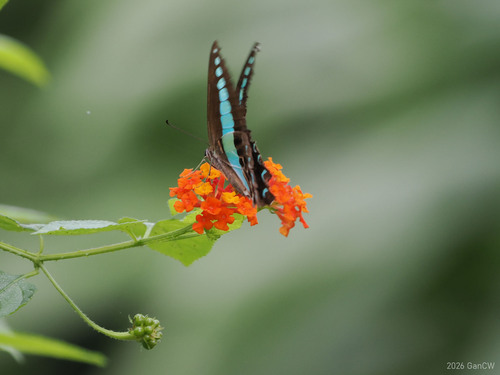
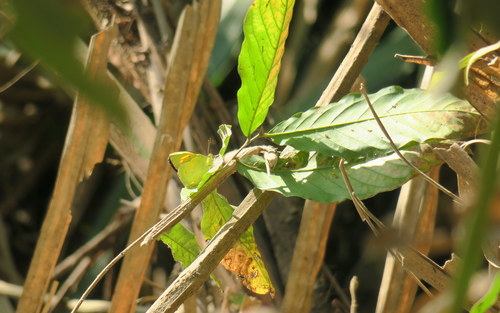
Orangetail Awlet

Orangetail Awlet

Bibasis sena

Daily sighting probability ~10% · With luck
at Kaeng Krachan National Park

In 3 days ~30% in a week ~60%

17 Verified sightings at Kaeng Krachan National Park From 2019 to 2026
17 In 1 park
November Best month
☀️ Diurnal When it's spotted

About the Orangetail Awlet

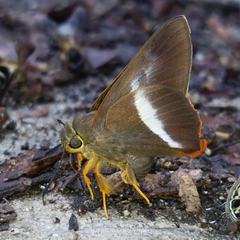
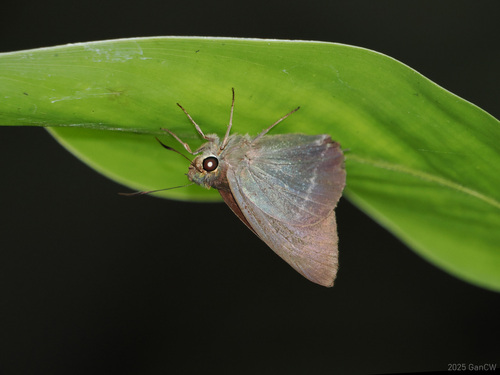
Bibasis sena, commonly known as the orange-tailed awlet, is a butterfly belonging to the family Hesperiidae, the skippers. It is also sometimes called the pale green awlet though that name can also refer to Burara gomata.

This skipper is found in Sri Lanka, India, China (Hainan), Myanmar, Cambodia, Thailand, Laos, Vietnam, Malaysia (Malay peninsula), Indonesian archipelago (including Borneo, Java, Kangean, Bali, Lombok, Bawean, Sumba, Sumbawa) and the Philippines.

In India, this skipper is found in the Western Ghats including the Nilgiris, Kodagu, Kanara, and the Himalayas, from Shimla eastward to Northeast India and onto Myanmar (recorded in the Karens and Dawnas). Also found in Andaman and Nicobar Islands.

The type locality for this species is the region of Bengal. William Harry Evans (1932) records the orange-tail awl as rare in India and very rare in the Andaman islands. He records the butterfly as not rare in south Myanmar, the Malay Peninsula and parts of the Indonesian archipelago.

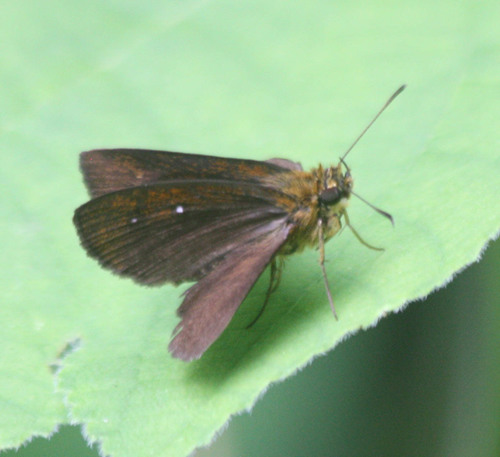
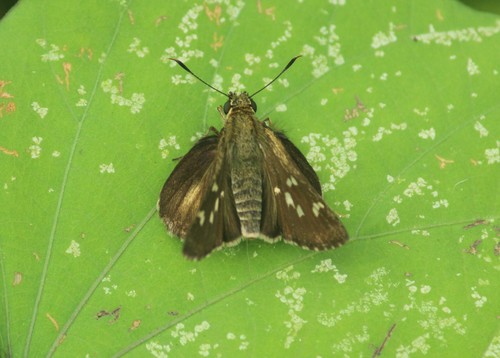
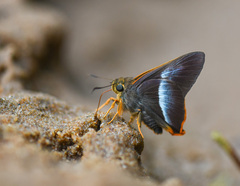
Both sexes: The butterfly has a wingspan of 45 to 50 mm. Above, both sexes are an unblemished dark brown. The hindwings have an orange fringe. The... Wikipedia →
Global Distribution

Parks Where Found

# Park Country Daily sighting probability
1 Kaeng Krachan National Park 🇹🇭 Thailand
~10%

More parks will be added in future updates.

Cities Where Found

# City Country Daily sighting probability
1 Singapore 🇸🇬 Singapore
<5%

Before you go

What are the chances of seeing an Orangetail Awlet in Kaeng Krachan National Park?

With luck

About 10% of wildlife watchers report an Orangetail Awlet sighting in Kaeng Krachan National Park on a given day, based on 17 verified sightings from GBIF citizen-science data from 2019 to 2026. It is the 96th most-seen of the 296 insects we can rate there. Over three days the chance rises to about 30%, and over a week to about 60%, if each day is a fresh chance.

When is the best time to see an Orangetail Awlet in Kaeng Krachan National Park?

July and November

In those months about 20% of wildlife watchers report an Orangetail Awlet in Kaeng Krachan National Park on a given day, against under 5% in January–February and August–September, the lowest months.

What time of day is best to see an Orangetail Awlet?

Between 7 and 10 am

Across all the parks we cover, that three-hour window holds the most Orangetail Awlet sightings with a recorded time, and about 9 in 10 of them come between 6 am and 6 pm: it is a daytime animal.

Where else can you see an Orangetail Awlet?

Only Kaeng Krachan National Park, in our data

Kaeng Krachan National Park is the only park on Wallace's Line with enough records to rate Orangetail Awlet sightings: about 10% of wildlife watchers there report one on a given day.

Which relatives of the Orangetail Awlet live in Kaeng Krachan National Park?

Same family: Hesperiidae

The closest relatives of the Orangetail Awlet that you can see in Kaeng Krachan National Park (family Hesperiidae, Skippers) are Chestnut Angle (about 10%), White Banded Awl (about 10%) and Chestnut Bob (about 10%), with each one's daily chance of a sighting.

Where does the Orangetail Awlet sighting chance come from?

GBIF citizen-science records

It is estimated from how often the Orangetail Awlet is recorded against all the insects logged in Kaeng Krachan National Park (17 verified sightings from 2019 to 2026), calibrated against known sighting rates. Figures are rounded to the nearest 10% because citizen-science data supports honest approximations, not decimals, and months with records from fewer than five people show "—". How it works.

← Back to Kaeng Krachan National Park