Bright-Eyed Brown

Bright-Eyed Brown

Heteronympha cordace

Endemic
Daily sighting probability ~10% · With luck
at Kosciuszko National Park

In 3 days ~40% in a week ~60%

11 Verified sightings at Kosciuszko National Park From 2019 to 2026
11 In 1 park
January Best month
☀️🌙 Day & Night When it's spotted

About the Bright-Eyed Brown

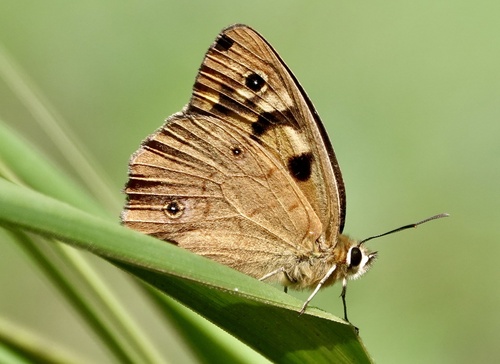
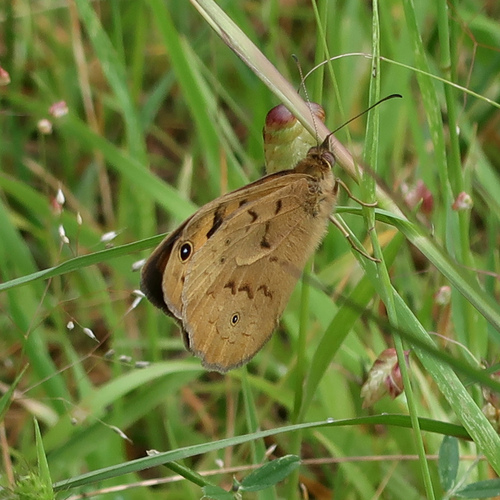
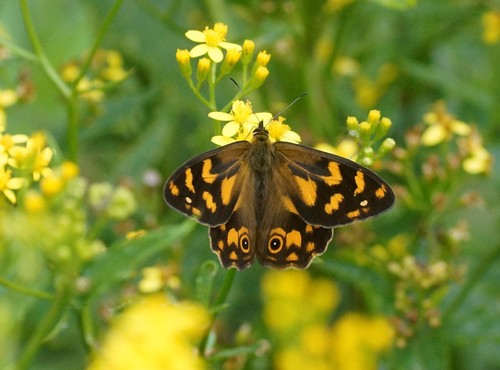
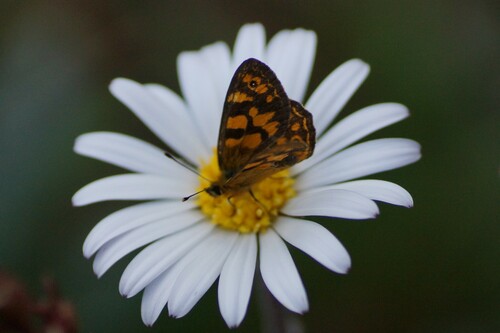
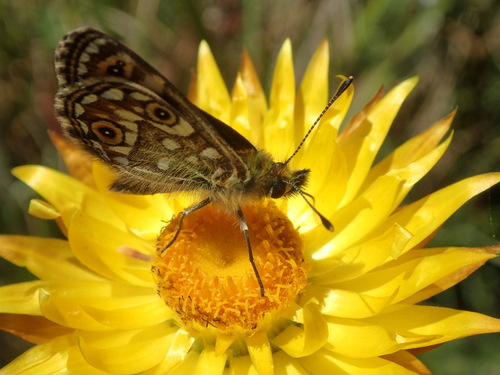
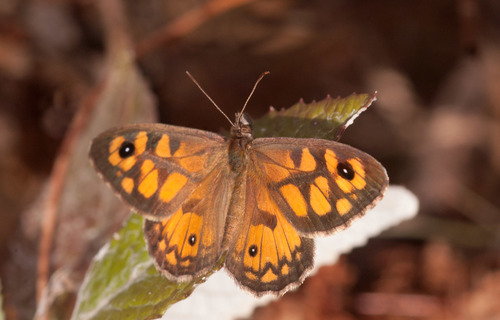
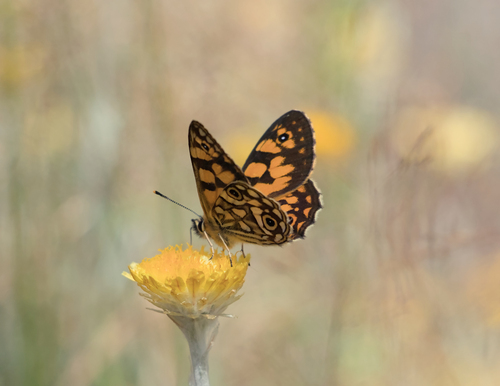
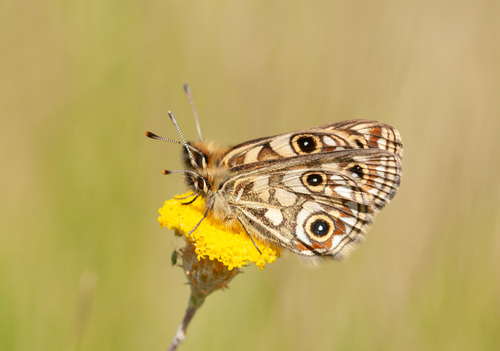
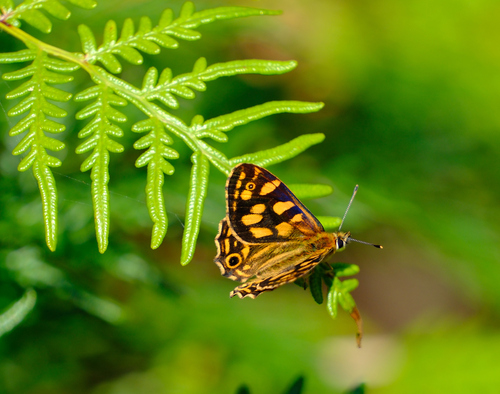
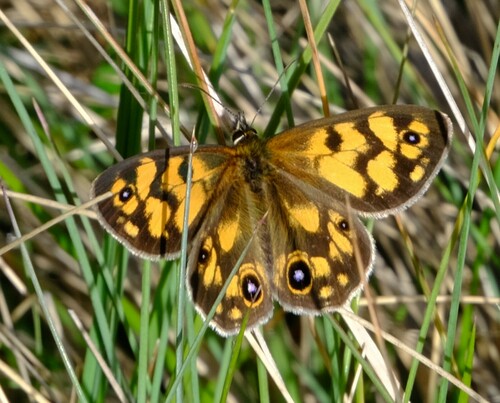
Heteronympha cordace, the bright-eyed brown, is a brown colored butterfly endemic to Australia. It was described by Carl Geyer in 1832. Heteronympha cordace has a wingspan ranging from 38–42 mm (1.5–1.7 in), with females generally larger than males and with stouter abdomens. The uppersides of the wings are black to dark brown with orange to brownish-orange markings. The markings contain a blue-centered black subapical eyespot and a larger blue-centered black subtornal eyespot. The underside of the wings are lighter in hue and have more extensive orange areas.

The Heteronympha cordace butterfly occurs in disjunct populations across Australia, in New South Wales, southern Victoria, south eastern South Australia, and Tasmania. Populations of the butterfly are known from swampy areas in the alpine of the Great Divide to coastal areas in both the east and west. It is not common in any areas and colonies tend to be static, and many populations have become extinct as a result of habitat loss.

Adult butterflies have a slow, meandering flight pattern close to the ground among the larval host plants, and near food plants Melaleuca and Leptospermum that... Wikipedia →
Global Distribution

Parks Where Found

# Park Country Daily sighting probability
1 Kosciuszko National Park 🇦🇺 Australia
~10%

More parks will be added in future updates.

Before you go

What are the chances of seeing a Bright-Eyed Brown in Kosciuszko National Park?

With luck

About 10% of wildlife watchers report a Bright-Eyed Brown sighting in Kosciuszko National Park on a given day, based on 11 verified sightings from GBIF citizen-science data from 2019 to 2026. It is the 46th most-seen of the 105 insects we can rate there. Over three days the chance rises to about 40%, and over a week to about 60%, if each day is a fresh chance.

When is the best time to see a Bright-Eyed Brown in Kosciuszko National Park?

January and February

In those months about 30% of wildlife watchers report a Bright-Eyed Brown in Kosciuszko National Park on a given day, against under 5% in March to December, the lowest months.

What time of day is best to see a Bright-Eyed Brown?

Between 9 am and noon

Across all the parks we cover, that three-hour window holds the most Bright-Eyed Brown sightings with a recorded time, and about 6 in 10 of them come between 6 am and 6 pm: it is seen both by day and at night.

Where else can you see a Bright-Eyed Brown?

Only Kosciuszko National Park, in our data

Kosciuszko National Park is the only park on Wallace's Line with enough records to rate Bright-Eyed Brown sightings: about 10% of wildlife watchers there report one on a given day.

Which relatives of the Bright-Eyed Brown live in Kosciuszko National Park?

Same genus: Heteronympha

The closest relatives of the Bright-Eyed Brown that you can see in Kosciuszko National Park (genus Heteronympha) are Shouldered Brown (about 30%), Common Brown (about 20%) and Solander's Brown (about 20%), with each one's daily chance of a sighting.

Where does the Bright-Eyed Brown sighting chance come from?

GBIF citizen-science records

It is estimated from how often the Bright-Eyed Brown is recorded against all the insects logged in Kosciuszko National Park (11 verified sightings from 2019 to 2026), calibrated against known sighting rates. Figures are rounded to the nearest 10% because citizen-science data supports honest approximations, not decimals, and months with records from fewer than five people show "—". How it works.

← Back to Kosciuszko National Park