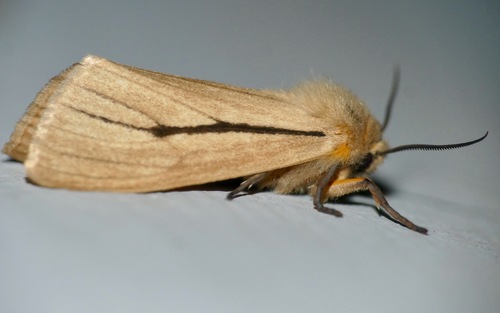
Large Tabby

Large Tabby

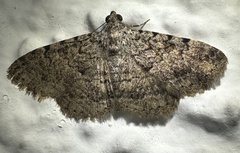
Polydesma umbricola

Daily sighting probability ~10% · With luck
at Kruger National Park

In 3 days ~20% in a week ~30%

19 Verified sightings at Kruger National Park From 2019 to 2026
19 In 1 park
December Best month
☀️🌙 Day & Night When it's spotted

About the Large Tabby

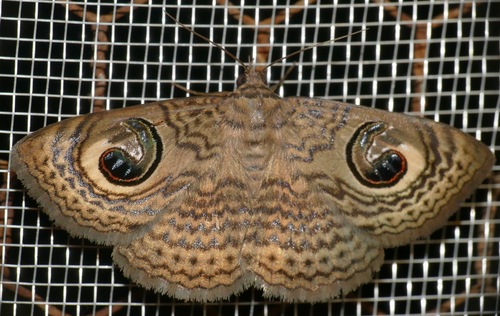
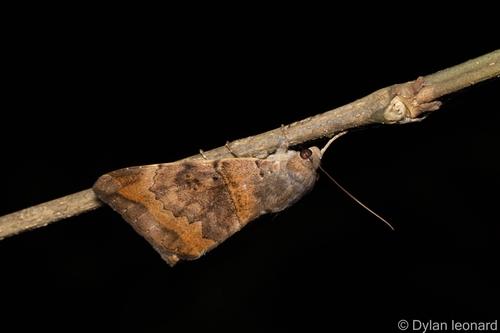
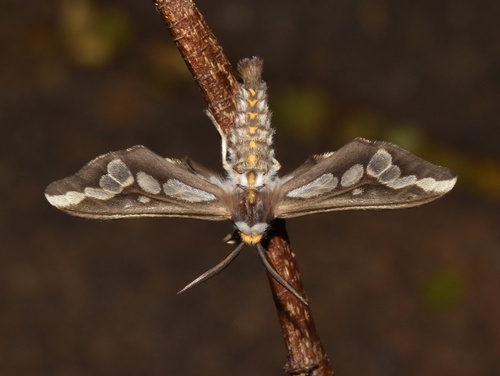
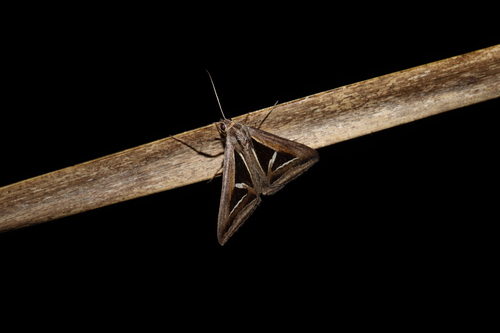
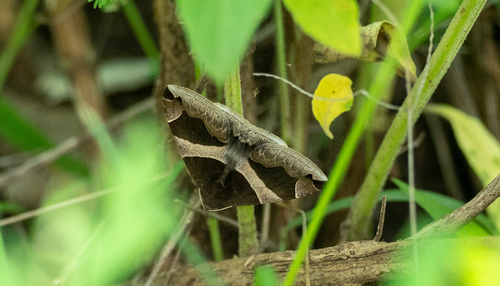
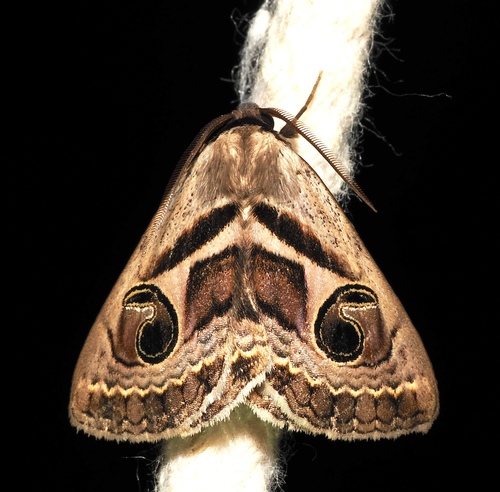
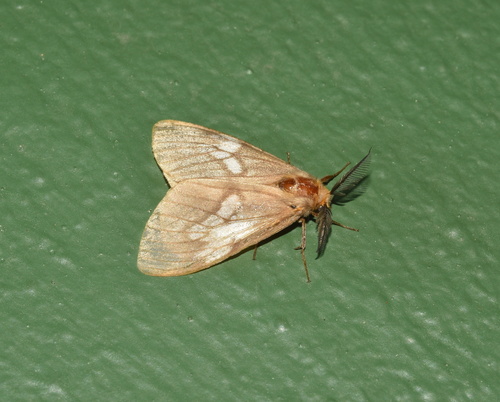
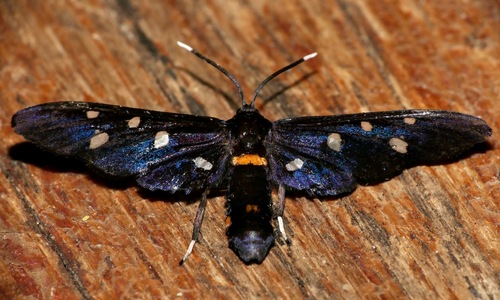
Polydesma umbricola, the monkeypod moth or large tabby, is a species of moth in the family Erebidae. The species is found in southern Europe, Africa, Asia Minor to southern Asia, of India, Sri Lanka, Maldives, the Andaman Islands, including many Indian Ocean islands, like Coëtivy Island, Aldabra, Assumption Island, Madagascar and on Hawaii.

A similar species, Polydesma boarmoides, lives in South-East Asia. Its wingspan is about 50 mm. Antennae of male minutely ciliated. Palpi with short third joint. Male with sub-basal area of hindwings clothed with long silky hair ventrally. Body brown suffused with fuscous color. Forewings with indistinct waved sub-basal, antemedial, medial, and post-medial lines, each arising from a black spot on the costa. A crenulate pale sub-marginal line with some fuscous suffusion inside it. A marginal series of lunulate spots present. Hindwings with indistinct antemedial and medial sinuous line. A crenulate sub-marginal pale line with fuscous suffusion inside it. A marginal series of lunulate spots present. Ventral side with the area inside the crenulate submarginal line of both wings broadly suffused with fuscous.

The caterpillar... Wikipedia →
Global Distribution

Parks Where Found

# Park Country Daily sighting probability
1 Kruger National Park 🇿🇦 South Africa
~10%

More parks will be added in future updates.

Before you go

What are the chances of seeing a Large Tabby in Kruger National Park?

With luck

About 10% of wildlife watchers report a Large Tabby sighting in Kruger National Park on a given day, based on 19 verified sightings from GBIF citizen-science data from 2019 to 2026. It is the 229th most-seen of the 748 insects we can rate there. Over three days the chance rises to about 20%, and over a week to about 30%, if each day is a fresh chance.

When is the best time to see a Large Tabby in Kruger National Park?

March, June–July and October–December

In those months about 10% of wildlife watchers report a Large Tabby in Kruger National Park on a given day, against under 5% in January–February, April–May and August–September, the lowest months.

What time of day is best to see a Large Tabby?

Between 7 and 10 pm

Across all the parks we cover, that three-hour window holds the most Large Tabby sightings with a recorded time, and about half of them come between 6 pm and 6 am: it is seen both by day and at night.

Where else can you see a Large Tabby?

Only Kruger National Park, in our data

Kruger National Park is the only park on Wallace's Line with enough records to rate Large Tabby sightings: about 10% of wildlife watchers there report one on a given day.

Which relatives of the Large Tabby live in Kruger National Park?

Same family: Erebidae

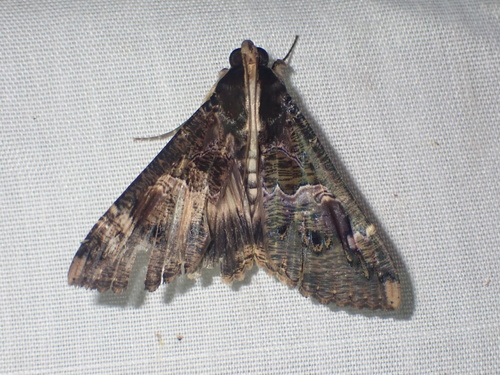
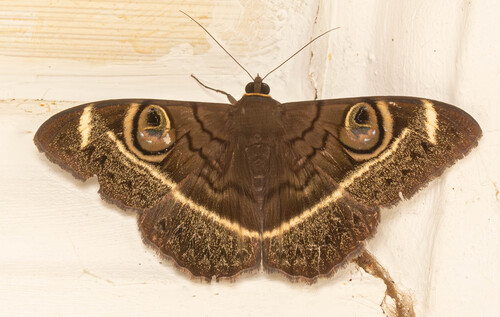
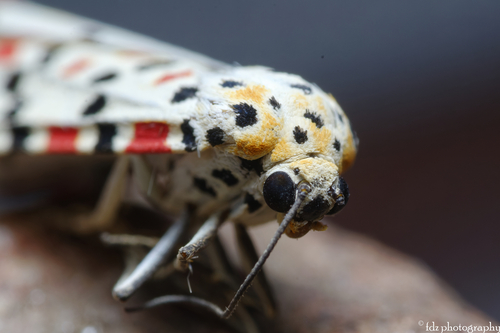
The closest relatives of the Large Tabby that you can see in Kruger National Park (family Erebidae, Underwing, Tiger, Tussock, and Allied Moths) are Sundowner Moth (about 20%), Creamstriped Owl (about 10%) and Crimson-Speckled Flunkey (about 10%), with each one's daily chance of a sighting.

Where does the Large Tabby sighting chance come from?

GBIF citizen-science records

It is estimated from how often the Large Tabby is recorded against all the insects logged in Kruger National Park (19 verified sightings from 2019 to 2026), calibrated against known sighting rates. Figures are rounded to the nearest 10% because citizen-science data supports honest approximations, not decimals, and months with records from fewer than five people show "—". How it works.

← Back to Kruger National Park