Mopane Worm

Mopane Worm

Gonimbrasia belina

Daily sighting probability ~10% · With luck
at Kruger National Park

In 3 days ~20% in a week ~40%

36 Verified sightings at Kruger National Park From 2019 to 2026
41 In all 2 parks
November Best month
☀️ Diurnal When it's spotted

About the Mopane Worm

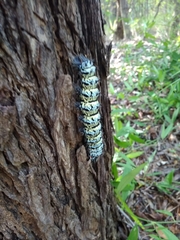
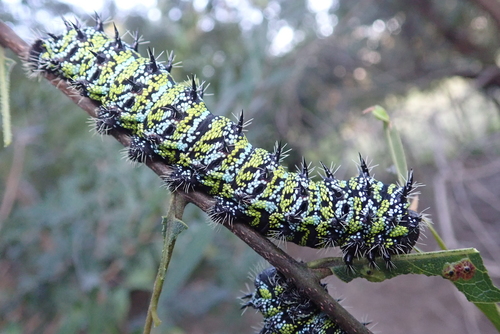
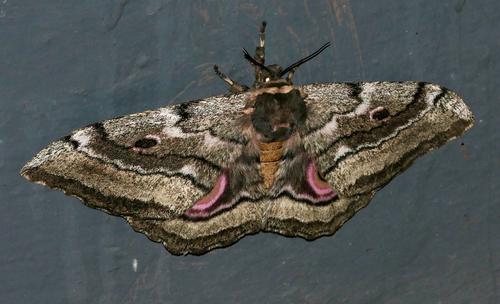
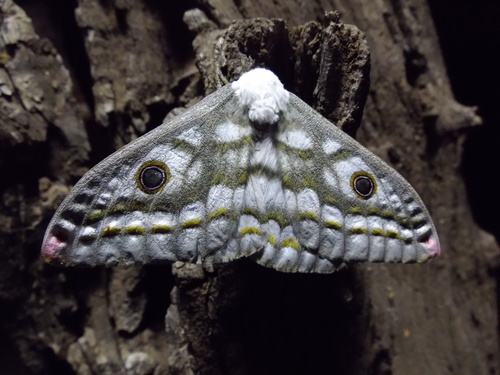
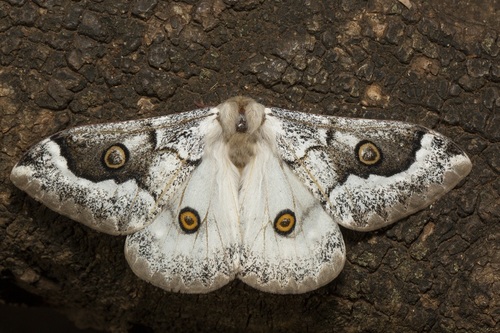
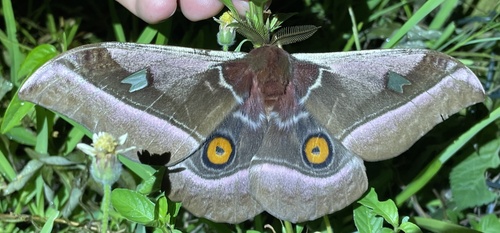
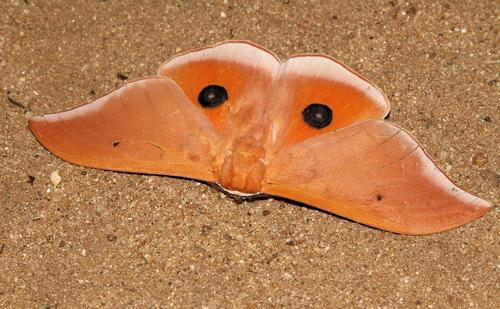
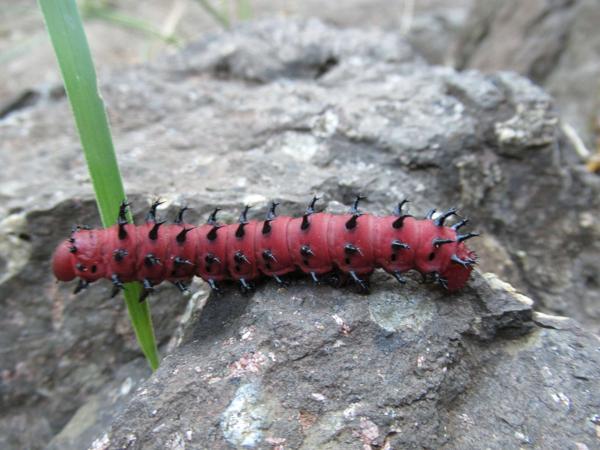
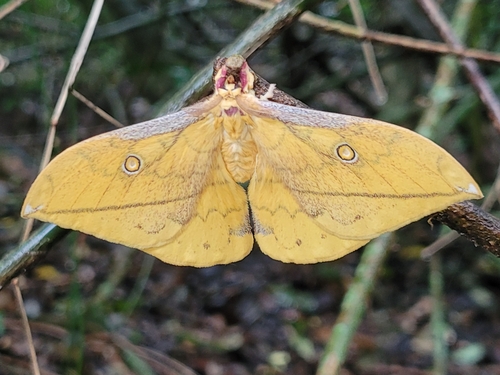
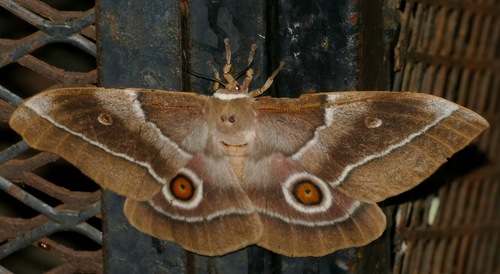
Gonimbrasia belina is a species of emperor moth which is native to the warmer parts of southern Africa. Its large edible caterpillar, known as the mopane worm, madora, amacimbi, pigeon moth or masonja, feeds primarily but not exclusively on mopane tree leaves. Mopane worms are an important source of protein for many in the region. The species was first scientifically described by John O. Westwood in 1849.

The mopane worm is so-called in English because it is usually found on the mopane tree, Colophospermum mopane. Other vernacular names for the caterpillars include: Botswana Kalanga: mashonja Tswana: phane South Africa Sotho: masonja

Northern Sotho: mašotša (colloq) Venda: mashonzha Tsonga: matamani or masonja Southern Ndebele: iinnondo Tswana: masonja, seboko sa mongana Zambia muyaya (believed to be the mopane worm) finkubala ifishimu (proper name in the Bemba language)

Zimbabwe Northern Ndebele: macimbi Shona: madora, masodya or mashonja Kalanga: mahonja Namibia Ovambo: omagungu Oshikwanyama: oshuungu Democratic Republic of the Congo Kongo: mingolo The Latin name is sometimes given as Imbrasia belina, rather than Gonimbrasia belina.

The... Wikipedia →
Global Distribution

Parks Where Found

# Park Country Daily sighting probability
1 Kruger National Park 🇿🇦 South Africa
~10%
2 iSimangaliso Wetland Park 🇿🇦 South Africa
<5%

Cities Where Found

# City Country Daily sighting probability
1 Johannesburg 🇿🇦 South Africa
~10%

Before you go

What are the chances of seeing a Mopane Worm in Kruger National Park?

With luck

About 10% of wildlife watchers report a Mopane Worm sighting in Kruger National Park on a given day, based on 36 verified sightings from GBIF citizen-science data from 2019 to 2026. It is the 106th most-seen of the 748 insects we can rate there. Over three days the chance rises to about 20%, and over a week to about 40%, if each day is a fresh chance.

When is the best time to see a Mopane Worm in Kruger National Park?

November

In that month about 20% of wildlife watchers report a Mopane Worm in Kruger National Park on a given day, against under 5% in May to September, the lowest months.

What time of day is best to see a Mopane Worm?

Between 9 am and noon

Across all the parks we cover, that three-hour window holds the most Mopane Worm sightings with a recorded time, and about 8 in 10 of them come between 6 am and 6 pm: it is a daytime animal.

Is Kruger National Park the best place to see a Mopane Worm?

Yes

Of the 2 parks where we can rate Mopane Worm sightings, Kruger National Park has the highest daily chance: about 10%. Next come iSimangaliso Wetland Park (South Africa, under 5%).

Where does the Mopane Worm sighting chance come from?

GBIF citizen-science records

It is estimated from how often the Mopane Worm is recorded against all the insects logged in Kruger National Park (36 verified sightings from 2019 to 2026), calibrated against known sighting rates. Figures are rounded to the nearest 10% because citizen-science data supports honest approximations, not decimals, and months with records from fewer than five people show "—". How it works.

← Back to Kruger National Park