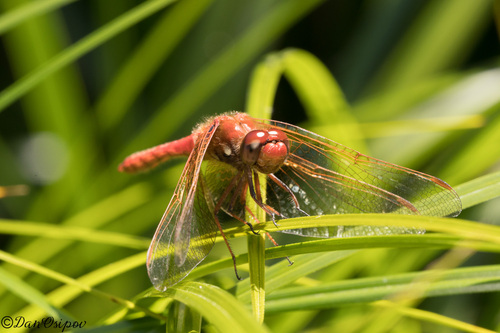
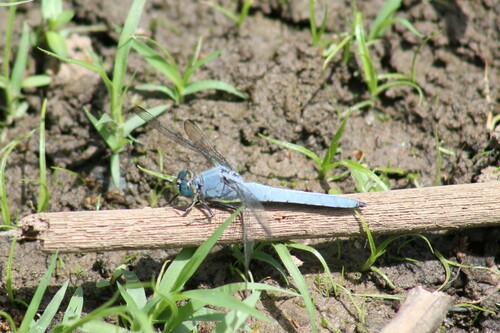
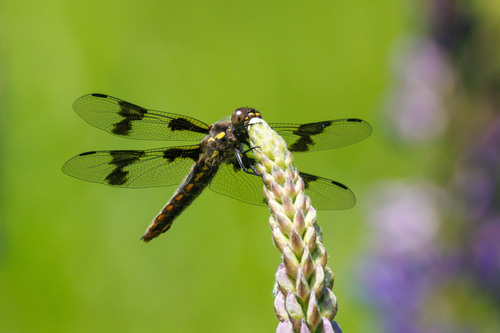
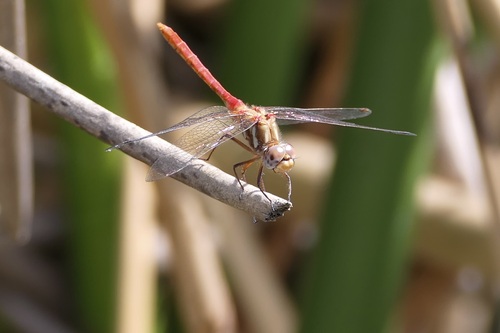
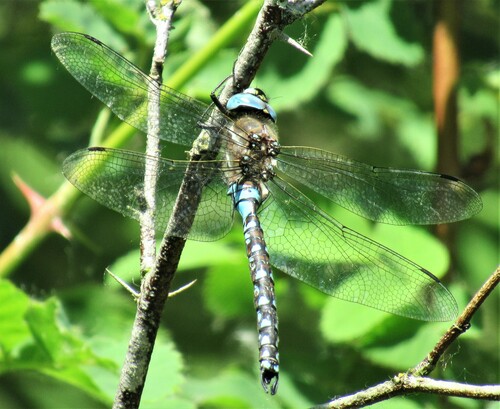
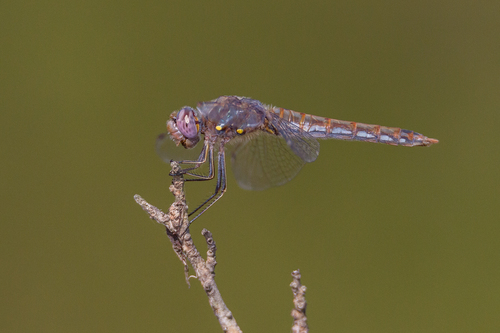
Pacific Forktail

Pacific Forktail

Ischnura cervula

Daily sighting probability ~10% · With luck
at Redwood National Park

In 3 days ~30% in a week ~60%

39 Verified sightings at Redwood National Park From 2019 to 2026
76 In all 4 parks
June Best month
☀️ Diurnal When it's spotted

About the Pacific Forktail

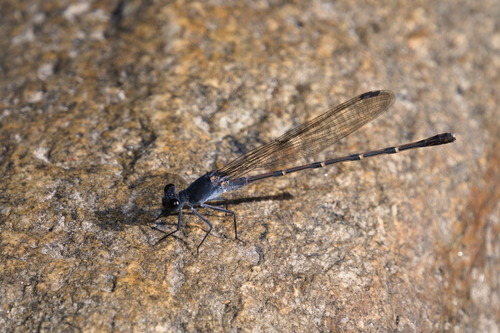
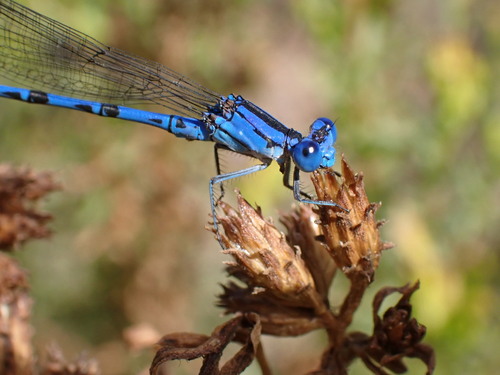
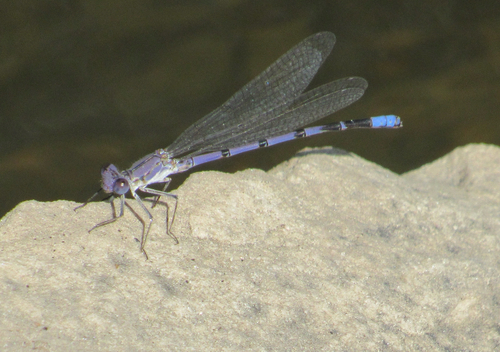
Ischnura cervula, the Pacific forktail, is a species of narrow-winged damselfly in the family Coenagrionidae. It is found in western North America. The species is notable for its female color polymorphism, occurring in an andromorphic or heteromorph form. Ischnura cervula occupy freshwater habitats, including springs, wetlands, and slow-moving waters with surrounding vegetation. The species also acts as an intermediate host for the lung fluke Haematoloechus longiplexus, introduced via American bullfrogs. Although listed as Least Concern by the IUCN, habitat loss, poor water quality, and climate change can negatively impact Ischnura cervula populations.

The Pacific Forktail is a western North American species that is present from southern British Columbia to Arizona and as far east as Alberta. Ischnura cervula populations have been observed at spring habitats in Banff National Park, Canada, which has many wetlands, slow-moving streams with surrounding vegetation. A comprehensive California Odonata database also records the species' presence over a century of records, highlighting how the distribution has changed over time and recognizes any emergent... Wikipedia →
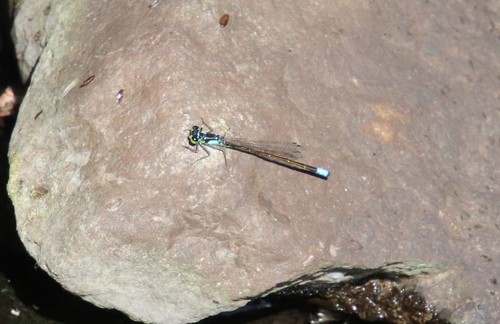
Global Distribution

Parks Where Found

# Park Country Daily sighting probability
1 Redwood National Park 🇺🇸 United States
~10%
2 Channel Islands National Park 🇺🇸 United States
~10%
3 Great Bear Rainforest 🇨🇦 Canada
~10%
4 Yellowstone National Park 🇺🇸 United States
<5%

Cities Where Found

# City Country Daily sighting probability
1 Portland 🇺🇸 United States
~20%
2 Seattle 🇺🇸 United States
~10%
3 Vancouver 🇨🇦 Canada
~10%
4 Sacramento 🇺🇸 United States
~10%
5 San Francisco 🇺🇸 United States
~10%
6 Los Angeles 🇺🇸 United States
~10%
7 San Diego 🇺🇸 United States
<5%

Before you go

What are the chances of seeing a Pacific Forktail in Redwood National Park?

With luck

About 10% of wildlife watchers report a Pacific Forktail sighting in Redwood National Park on a given day, based on 39 verified sightings from GBIF citizen-science data from 2019 to 2026. It is the 18th most-seen of the 101 insects we can rate there. Over three days the chance rises to about 30%, and over a week to about 60%, if each day is a fresh chance.

When is the best time to see a Pacific Forktail in Redwood National Park?

June

In that month about 30% of wildlife watchers report a Pacific Forktail in Redwood National Park on a given day, against under 5% in August to February, the lowest months. That is one of Redwood National Park's driest months, with about 50 mm of rain against 360 mm in January.

What time of day is best to see a Pacific Forktail?

Between noon and 3 pm

Across all the parks we cover, that three-hour window holds the most Pacific Forktail sightings with a recorded time, and about 9 in 10 of them come between 6 am and 6 pm: it is a daytime animal.

Is Redwood National Park the best place to see a Pacific Forktail?

Yes

Of the 4 parks where we can rate Pacific Forktail sightings, Redwood National Park has the highest daily chance: about 10%. Next come Channel Islands National Park (United States, about 10%) and Great Bear Rainforest (Canada, about 10%).

Where does the Pacific Forktail sighting chance come from?

GBIF citizen-science records

It is estimated from how often the Pacific Forktail is recorded against all the insects logged in Redwood National Park (39 verified sightings from 2019 to 2026), calibrated against known sighting rates. Figures are rounded to the nearest 10% because citizen-science data supports honest approximations, not decimals, and months with records from fewer than five people show "—". How it works.

← Back to Redwood National Park