Gray Sanddragon

Gray Sanddragon

Progomphus borealis

Daily sighting probability ~10% · With luck
at Saguaro National Park

In 3 days ~20% in a week ~30%

23 Verified sightings at Saguaro National Park From 2019 to 2026
23 In 1 park
June Best month
☀️ Diurnal When it's spotted

About the Gray Sanddragon

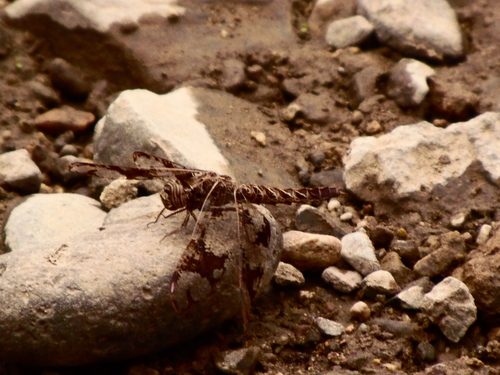
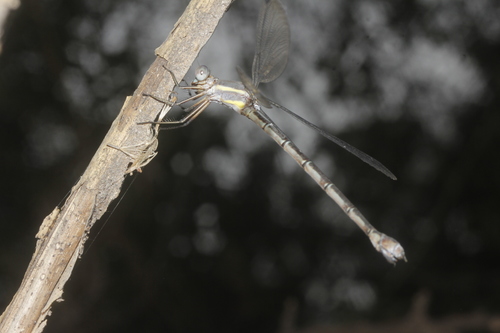
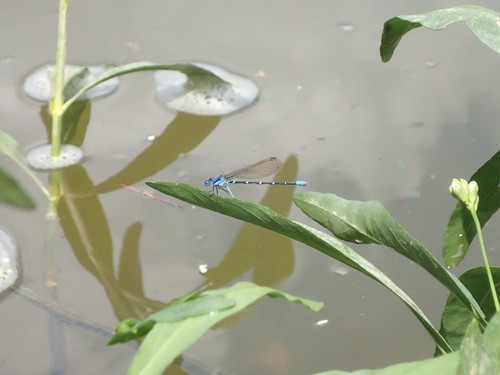
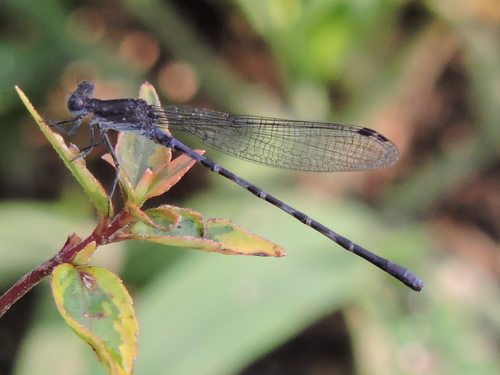
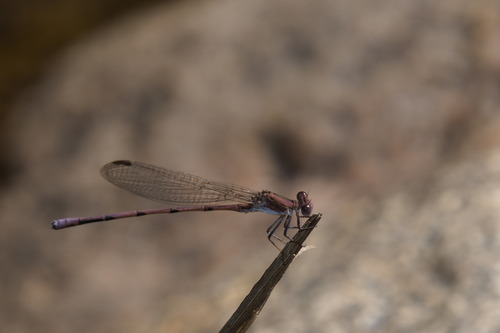
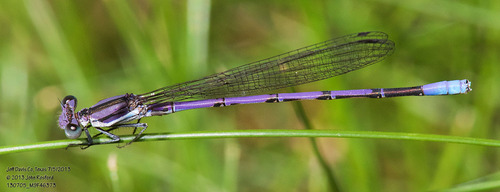
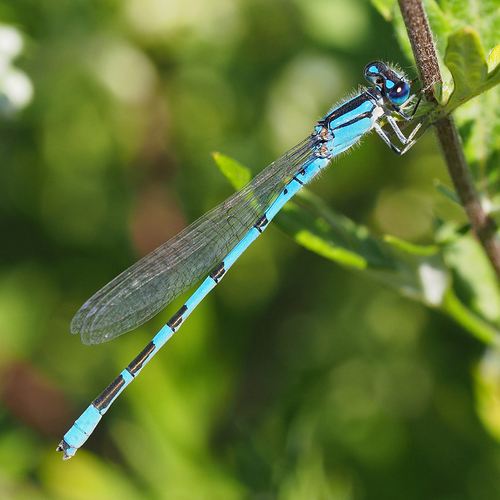
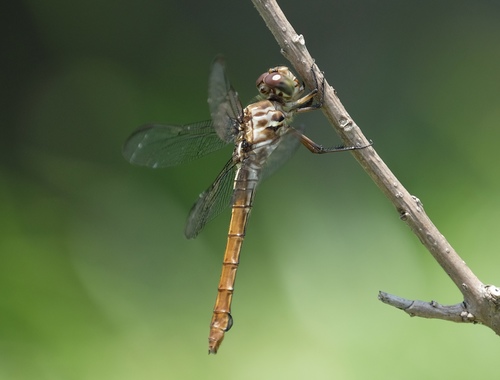
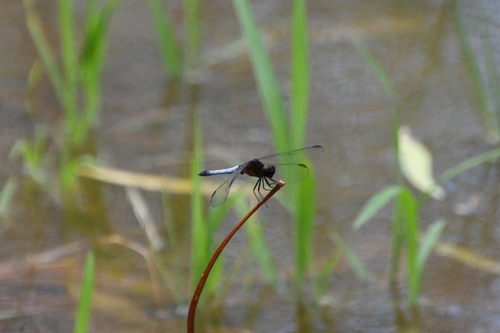
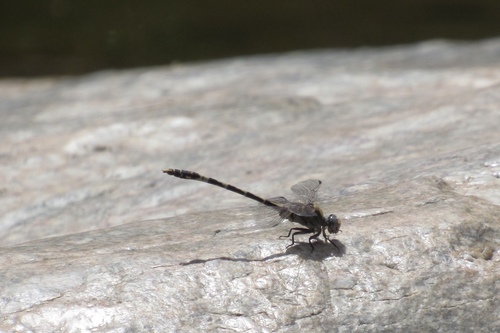
Progomphus borealis is a species of dragonfly in the family Gomphidae. This dragonfly species is commonly known as the gray sanddragon. The gray sanddragon is a medium to large dragonfly with a maximum length of 2.25 to 2.44 inches (57 to 62 mm). Its face and thorax are grayish to yellowish brown, and its thorax may be marked with black. The abdomen of this dragonfly is black and marked with yellow on the top of every segment. Under the tip of the abdomen is marked with yellow as well, and the abdominal tip is swollen as in other members of this family.

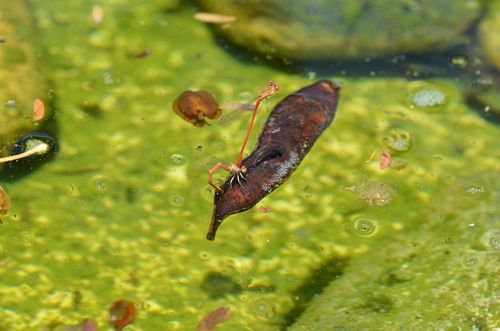
The nymph of the gray sanddragon is large in size with a length of 1 inch (25 mm). This dragonfly nymph is sandy brown in color and has short legs covered with stiff bristles. Its abdomen turns up at the tip, and there is a single, rear-facing spine on every side of abdominal segments three through nine.

Gray sanddragons can be found in Arizona, California, Chihuahua, Idaho, Jalisco, New Mexico, Oregon, Texas, U.S. Virgin Islands, and Washington. In Idaho these dragonflies can be found at desert streams in the southwest corner of the state.

The gray sanddragon... Wikipedia →
Global Distribution

Parks Where Found

# Park Country Daily sighting probability
1 Saguaro National Park 🇺🇸 United States
~10%

More parks will be added in future updates.

Before you go

What are the chances of seeing a Gray Sanddragon in Saguaro National Park?

With luck

About 10% of wildlife watchers report a Gray Sanddragon sighting in Saguaro National Park on a given day, based on 23 verified sightings from GBIF citizen-science data from 2019 to 2026. It is the 138th most-seen of the 354 insects we can rate there. Over three days the chance rises to about 20%, and over a week to about 30%, if each day is a fresh chance.

When is the best time to see a Gray Sanddragon in Saguaro National Park?

June

In that month about 20% of wildlife watchers report a Gray Sanddragon in Saguaro National Park on a given day, against under 5% in February–April, August and November–December, the lowest months. That is one of Saguaro National Park's driest months, with about 10 mm of rain against 55 mm in July.

What time of day is best to see a Gray Sanddragon?

Between 10 am and 1 pm

Across all the parks we cover, that three-hour window holds the most Gray Sanddragon sightings with a recorded time, and nearly all of them come between 6 am and 6 pm: it is a daytime animal.

Where else can you see a Gray Sanddragon?

Only Saguaro National Park, in our data

Saguaro National Park is the only park on Wallace's Line with enough records to rate Gray Sanddragon sightings: about 10% of wildlife watchers there report one on a given day.

Which relatives of the Gray Sanddragon live in Saguaro National Park?

Same order: Odonata

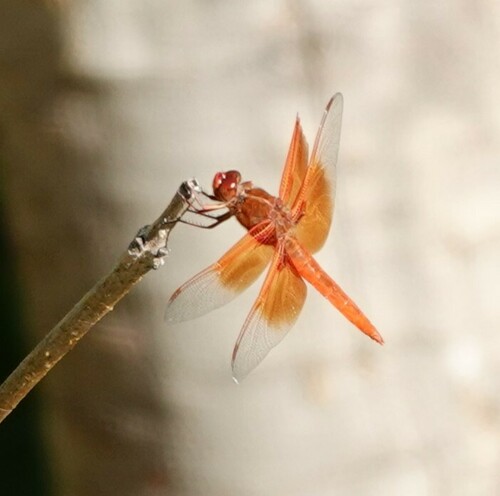
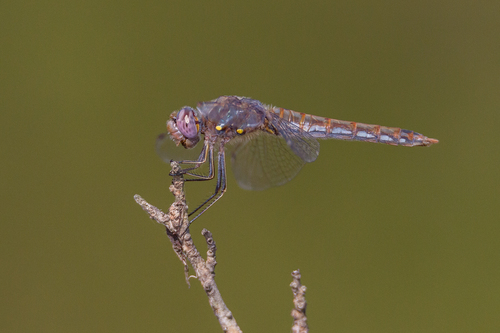
The closest relatives of the Gray Sanddragon that you can see in Saguaro National Park (order Odonata, Dragonflies and Damselflies) are Flame Skimmer (about 20%), Variegated Meadowhawk (about 20%) and Desert Firetail (about 10%), with each one's daily chance of a sighting.

Where does the Gray Sanddragon sighting chance come from?

GBIF citizen-science records

It is estimated from how often the Gray Sanddragon is recorded against all the insects logged in Saguaro National Park (23 verified sightings from 2019 to 2026), calibrated against known sighting rates. Figures are rounded to the nearest 10% because citizen-science data supports honest approximations, not decimals, and months with records from fewer than five people show "—". How it works.

← Back to Saguaro National Park