

Allegheny Mound Ant

Allegheny Mound Ant

Formica exsectoides

Daily sighting probability ~10% · With luck
at Shenandoah National Park

In 3 days ~20% in a week ~30%

9 Verified sightings at Shenandoah National Park From 2019 to 2026
18 In all 2 parks
October Best month
☀️ Diurnal When it's spotted

About the Allegheny Mound Ant

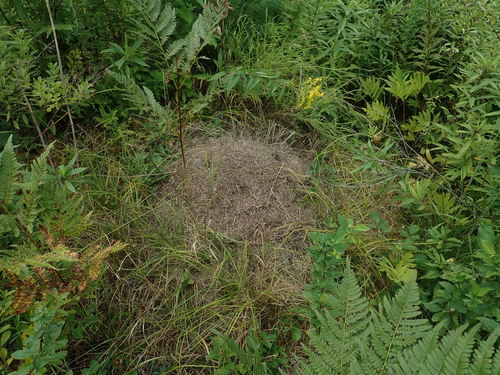
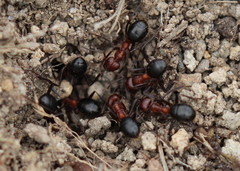
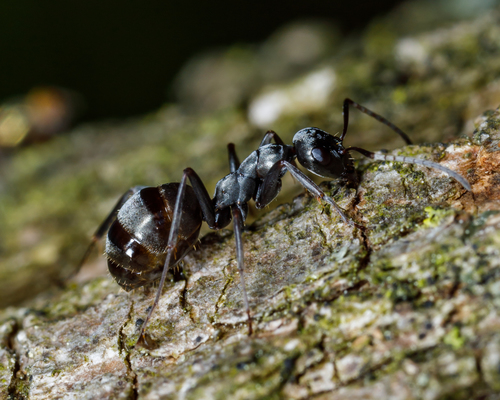
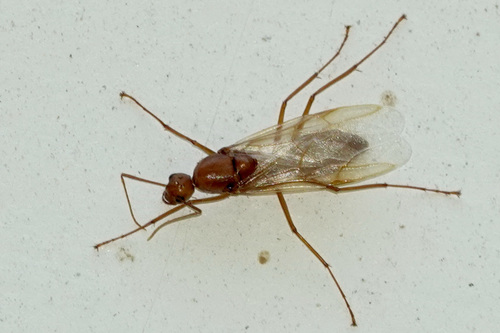
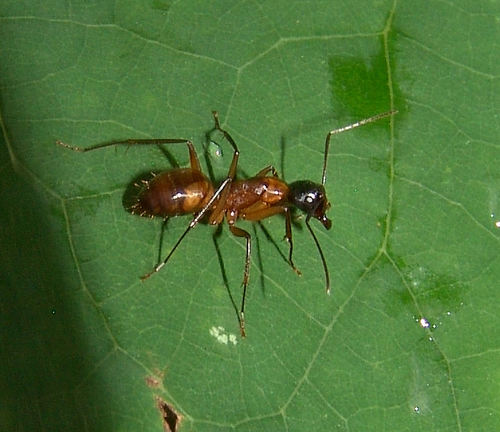
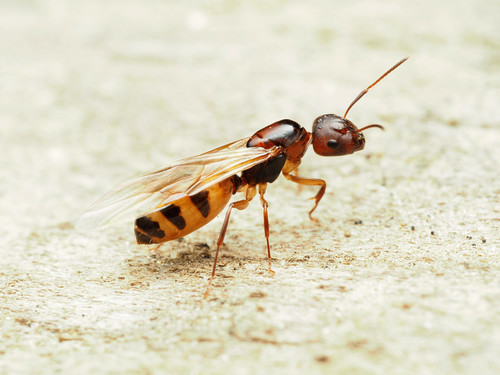
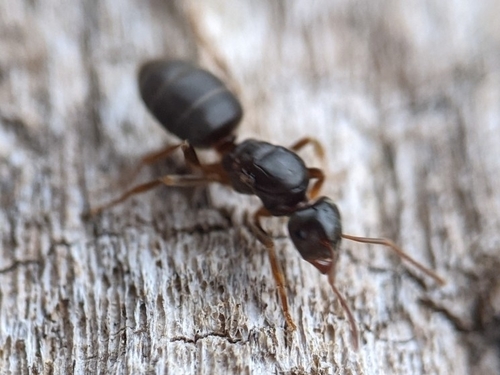
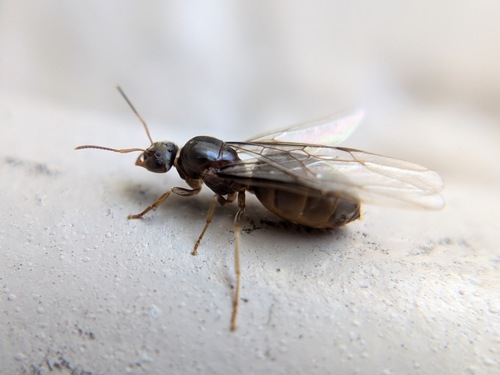
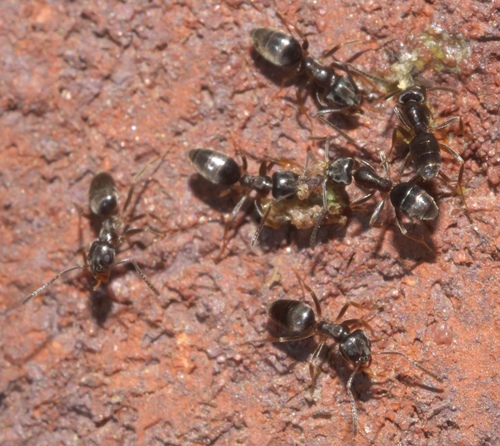
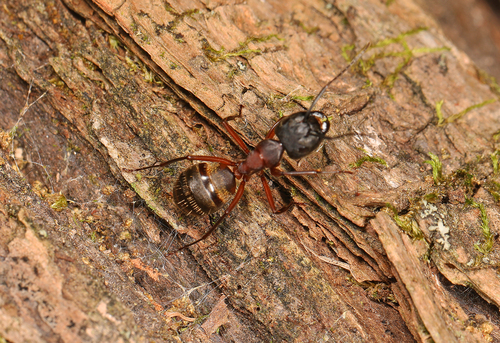
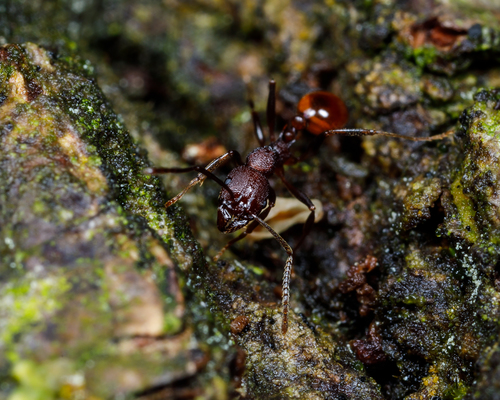
The Allegheny mound ant (Formica exsectoides) is a species of ant native to the Atlantic area of North America. Its range extends from Nova Scotia to parts of Georgia. Like other field ants, the Allegheny mound ant builds large mounds, however this species tends to build some of the largest. To keep their mounds exposed to the sun, the ants kill vegetation within 40 to 50 feet (12 to 15 m). They do this by injecting formic acid into plant stems, killing small trees and shrubs. Members of the formic acid producing genus Formica are known for their citrus taste. The Allegheny mound ant's appearance is very striking: both its head and thorax are red-orange; its gaster is black-brown.

The ant's colonies are complex. Several different mounds may be interconnected. The tunnels may extend 3 feet (0.91 m) into the ground and 4 feet (1.2 m) upwards in the mound. The mound serves as a solar incubator for the eggs and larvae. Unlike most other ants, Allegheny mound ants have multiple queens. Maturation from egg to adult takes 2.5–3 months. They hunt a wide assortment of arthropods as a protein source and collect aphid honeydew as a source of sugars.

The ants are very aggressive and will bite if a mound is disturbed. In the Northeastern United States, Allegheny mound ants (Formica exsectoides) are credited with causing lesions typically in the form of a deep constriction about 10 cm long on the main stem of small individuals of a variety of species, both hardwoods and conifers, including white pine and Scots pine. Spruces were not mentioned, but Peirson did not state whether spruces had been examined. The mounds vary in size with age, many reaching 1 m in height and 2 m in diameter. No live trees or shrubs of any height occur in close proximity to the mounds. Wikipedia →

Global Distribution

Parks Where Found

# Park Country Daily sighting probability
1 Shenandoah National Park 🇺🇸 United States
~10%
2 Acadia National Park 🇺🇸 United States
~10%

Before you go

What are the chances of seeing an Allegheny Mound Ant in Shenandoah National Park?

With luck

About 10% of wildlife watchers report an Allegheny Mound Ant sighting in Shenandoah National Park on a given day, based on 9 verified sightings from GBIF citizen-science data from 2019 to 2026. It is the 406th most-seen of the 723 insects we can rate there. Over three days the chance rises to about 20%, and over a week to about 30%, if each day is a fresh chance.

When is the best time to see an Allegheny Mound Ant in Shenandoah National Park?

April–June and October

In those months about 10% of wildlife watchers report an Allegheny Mound Ant in Shenandoah National Park on a given day, against under 5% in July–September and November–March, the lowest months.

What time of day is best to see an Allegheny Mound Ant?

Between noon and 3 pm

Across all the parks we cover, that three-hour window holds the most Allegheny Mound Ant sightings with a recorded time, and nearly all of them come between 6 am and 6 pm: it is a daytime animal.

Is Shenandoah National Park the best place to see an Allegheny Mound Ant?

Yes

Of the 2 parks where we can rate Allegheny Mound Ant sightings, Shenandoah National Park has the highest daily chance: about 10%. Next come Acadia National Park (United States, about 10%).

Where does the Allegheny Mound Ant sighting chance come from?

GBIF citizen-science records

It is estimated from how often the Allegheny Mound Ant is recorded against all the insects logged in Shenandoah National Park (9 verified sightings from 2019 to 2026), calibrated against known sighting rates. Figures are rounded to the nearest 10% because citizen-science data supports honest approximations, not decimals, and months with records from fewer than five people show "—". How it works.

← Back to Shenandoah National Park