Table Mountain Beauty

Table Mountain Beauty

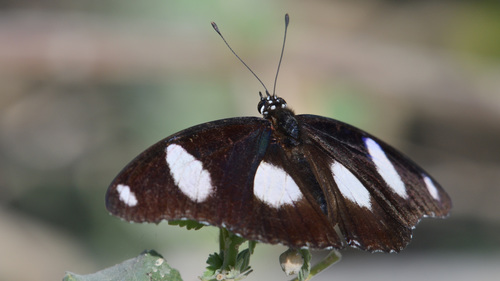
Aeropetes tulbaghia

Daily sighting probability ~10% · With luck
at Table Mountain National Park

In 3 days ~30% in a week ~50%

131 Verified sightings at Table Mountain National Park From 2019 to 2026
151 In all 2 parks
February Best month
☀️ Diurnal When it's spotted

About the Table Mountain Beauty

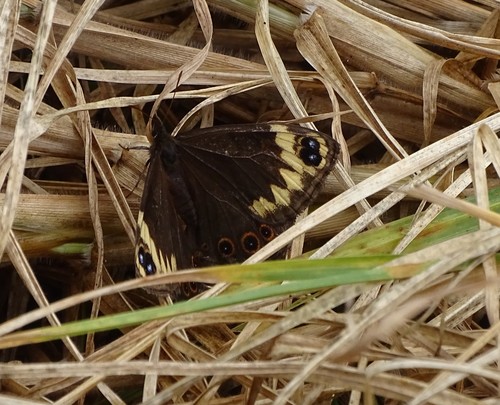
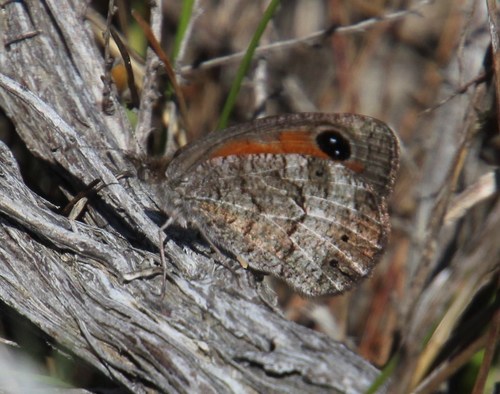
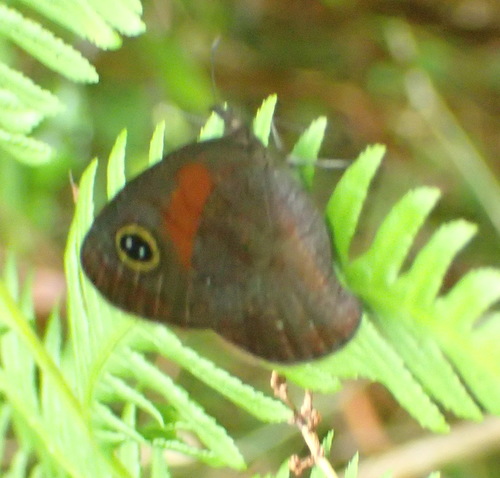
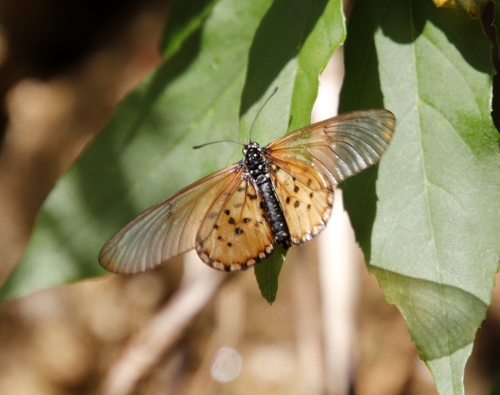
Aeropetes is a monotypic butterfly genus in the family Nymphalidae. Its only species, Aeropetes tulbaghia, is commonly known as the Table Mountain beauty or mountain pride. It is native to southern Africa, where it occurs in South Africa, Lesotho, Eswatini and Zimbabwe.

Linnaeus chose the specific name to commemorate Ryk Tulbagh, from whom he received batches of Cape specimens, collected by Tulbagh's gardener, J. A. Auge. Billberg established the genus in 1820, Aero- (from ἀήρ, aēr) meaning "air", "atmosphere" or (in earlier Greek) "mist", and -petes (from πέτης, pétēs) meaning "one who flies" or "flyer".

The sexes are similar, but males are on average smaller. The wingspan is 70–78 mm for males and 75–90 mm for females. Aeropetes is commonly found in mountainous, rock-strewn hillsides and gullies. It has a tendency to settle on the shady side of rocks and of overhung stream banks.

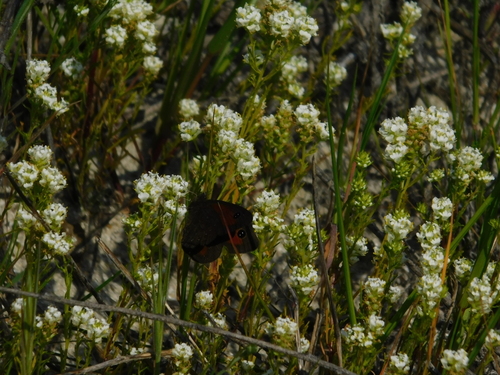
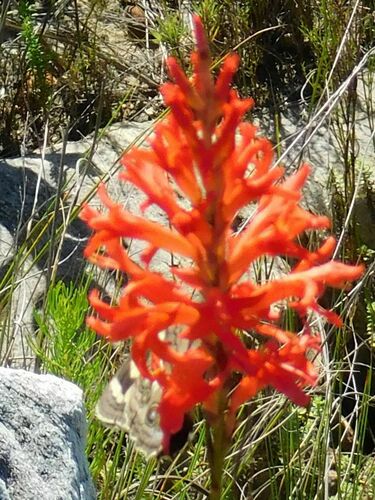
The larvae feed on various Poaceae species, including Ehrharta erecta, Hyparrhenia hirta and Pennisetum clandestinum. The adults are fond of red or orange flowers, and it is the only pollinator of the orchids Disa uniflora and Disa... Wikipedia →
Global Distribution

Parks Where Found

# Park Country Daily sighting probability
1 Table Mountain National Park 🇿🇦 South Africa
~10%
2 Garden Route National Park 🇿🇦 South Africa
~10%

Before you go

What are the chances of seeing a Table Mountain Beauty in Table Mountain National Park?

With luck

About 10% of wildlife watchers report a Table Mountain Beauty sighting in Table Mountain National Park on a given day, based on 131 verified sightings from GBIF citizen-science data from 2019 to 2026. It is the 38th most-seen of the 344 insects we can rate there. Over three days the chance rises to about 30%, and over a week to about 50%, if each day is a fresh chance.

When is the best time to see a Table Mountain Beauty in Table Mountain National Park?

February and March

In those months about 20% of wildlife watchers report a Table Mountain Beauty in Table Mountain National Park on a given day, against under 5% in June to December, the lowest months. Those are among Table Mountain National Park's driest months, with about 20 mm of rain a month against 110 mm in June.

What time of day is best to see a Table Mountain Beauty?

Between 9 am and noon

Across all the parks we cover, that three-hour window holds the most Table Mountain Beauty sightings with a recorded time, and nearly all of them come between 6 am and 6 pm: it is a daytime animal.

Is Table Mountain National Park the best place to see a Table Mountain Beauty?

Yes

Of the 2 parks where we can rate Table Mountain Beauty sightings, Table Mountain National Park has the highest daily chance: about 10%. Next come Garden Route National Park (South Africa, about 10%).

Which relatives of the Table Mountain Beauty live in Table Mountain National Park?

Same family: Nymphalidae

The closest relatives of the Table Mountain Beauty that you can see in Table Mountain National Park (family Nymphalidae, Brush-footed Butterflies) are Garden Acraea (about 30%), Cape Autumn Widow (about 20%) and Painted Lady (about 20%), with each one's daily chance of a sighting.

Where does the Table Mountain Beauty sighting chance come from?

GBIF citizen-science records

It is estimated from how often the Table Mountain Beauty is recorded against all the insects logged in Table Mountain National Park (131 verified sightings from 2019 to 2026), calibrated against known sighting rates. Figures are rounded to the nearest 10% because citizen-science data supports honest approximations, not decimals, and months with records from fewer than five people show "—". How it works.

← Back to Table Mountain National Park