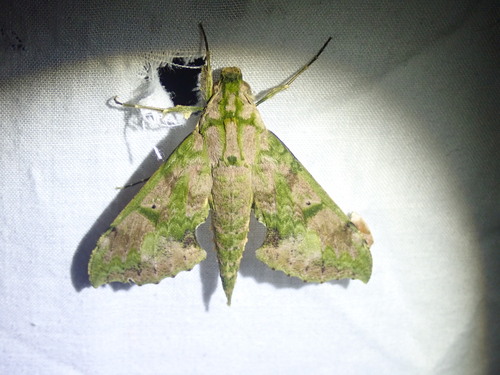
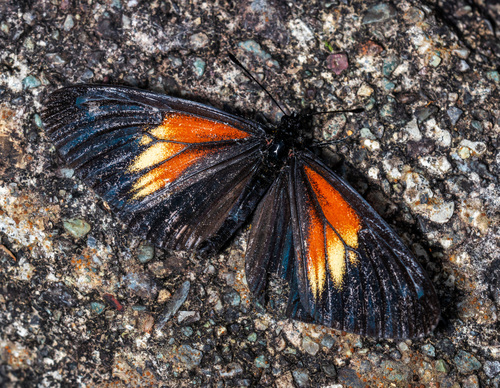
Macrosoma conifera

Macrosoma conifera

Macrosoma conifera

Daily sighting probability ~10% · With luck
at Tapantí-Macizo de la Muerte National Park

In 3 days ~20% in a week ~30%

8 Verified sightings at Tapantí-Macizo de la Muerte National Park From 2019 to 2026
8 In 1 park
February Best month
🌙 Nocturnal When it's spotted

About the Macrosoma conifera

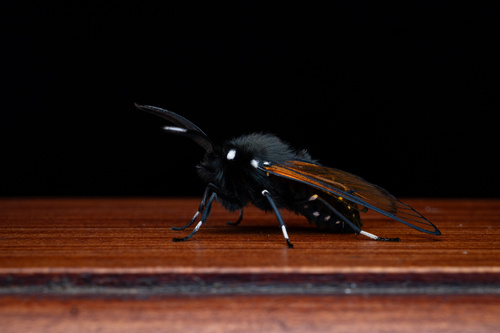
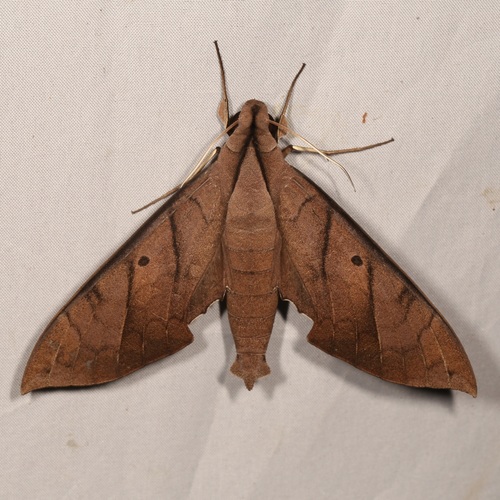
Macrosoma conifera is moth-like butterfly described by Warren in 1897. It belongs to the family Hedylidae. Originally it belonged to the genus Phellinodes. Malcolm J. Scoble combined it with Macrosoma in 1986. The species is found extensively in Guatemala, north of Paraguay: Villarrica, Gorgona Island off the coast of Colombia, Cusco in the Peruvian Andes to eastern Brazil, Amazonas region of Venezuela, the island of Trinidad, Suriname, French Guiana, and Belém at the mouth of the Amazon in northeastern Brazil.

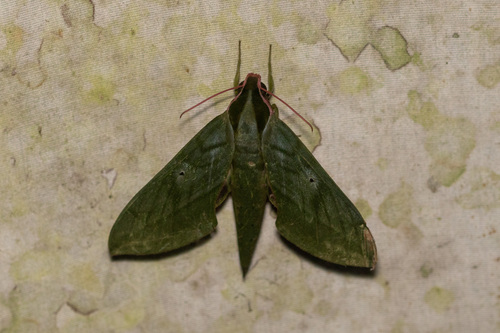
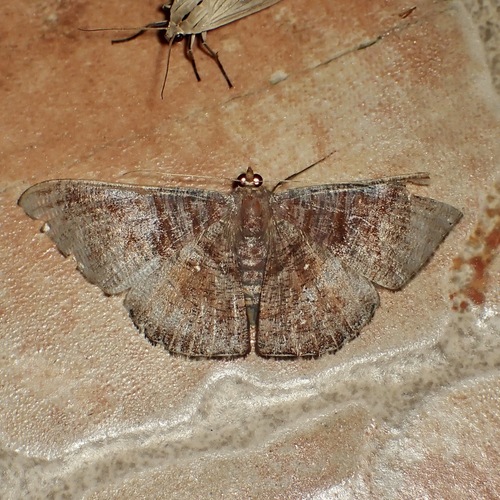
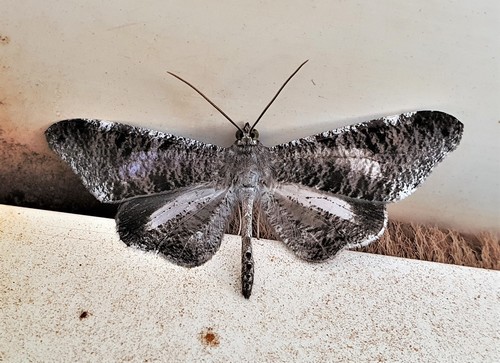
M. conifera has wings of the greyish brown ground colour. Forewing: The forewing has weak medial, semi-translucent area. The triangular white patch on costa is usually prominent, sometimes reduced. The apex is of dark grey-brown colour.

Hindwing: The termen is sometimes weakly sinuate, sometimes rounded; medially semi-translucent with darkish grey-brown colour. The length of the forewing is 21–26 millimetres (0.83–1.02 in). Following are the characteristics of the male genitalia:

Saccus is long. Uncus extends to level of apex of valva. The medial element of Gnathos is not downcurved. Valva is subtriangular... Wikipedia →
Global Distribution

Parks Where Found

# Park Country Daily sighting probability
1 Tapantí-Macizo de la Muerte National Park 🇨🇷 Costa Rica
~10%

More parks will be added in future updates.

Before you go

What are the chances of seeing a Macrosoma conifera in Tapantí-Macizo de la Muerte National Park?

With luck

About 10% of wildlife watchers report a Macrosoma conifera sighting in Tapantí-Macizo de la Muerte National Park on a given day, based on 8 verified sightings from GBIF citizen-science data from 2019 to 2026. It is the 125th most-seen of the 187 insects we can rate there. Over three days the chance rises to about 20%, and over a week to about 30%, if each day is a fresh chance.

When is the best time to see a Macrosoma conifera in Tapantí-Macizo de la Muerte National Park?

February and March

In those months about 10% of wildlife watchers report a Macrosoma conifera in Tapantí-Macizo de la Muerte National Park on a given day, against under 5% in April to January, the lowest months. Those are among Tapantí-Macizo de la Muerte National Park's driest months, with about 170 mm of rain a month against 570 mm in October.

What time of day is best to see a Macrosoma conifera?

Between 7 and 10 pm

Across all the parks we cover, that three-hour window holds the most Macrosoma conifera sightings with a recorded time, and nearly all of them come between 6 pm and 6 am: it is mostly seen at night.

Where else can you see a Macrosoma conifera?

Only Tapantí-Macizo de la Muerte National Park, in our data

Tapantí-Macizo de la Muerte National Park is the only park on Wallace's Line with enough records to rate Macrosoma conifera sightings: about 10% of wildlife watchers there report one on a given day.

Which relatives of the Macrosoma conifera live in Tapantí-Macizo de la Muerte National Park?

Same order: Lepidoptera

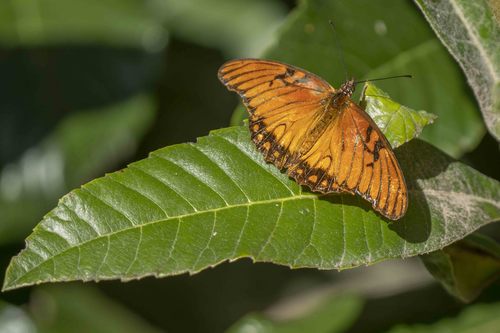
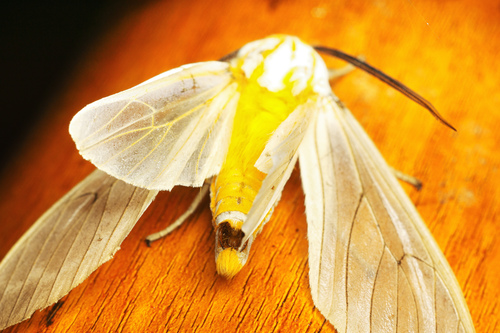
The closest relatives of the Macrosoma conifera that you can see in Tapantí-Macizo de la Muerte National Park (order Lepidoptera, Butterflies and Moths) are Amber Arctiid Moth (about 20%), Mexican Silverspot (about 20%) and Pure-Banded Dartwhite (about 10%), with each one's daily chance of a sighting.

Where does the Macrosoma conifera sighting chance come from?

GBIF citizen-science records

It is estimated from how often the Macrosoma conifera is recorded against all the insects logged in Tapantí-Macizo de la Muerte National Park (8 verified sightings from 2019 to 2026), calibrated against known sighting rates. Figures are rounded to the nearest 10% because citizen-science data supports honest approximations, not decimals, and months with records from fewer than five people show "—". How it works.

← Back to Tapantí-Macizo de la Muerte National Park