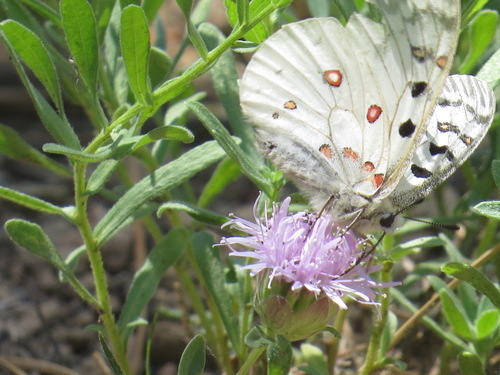
Large Marble

Large Marble

Euchloe ausonides

Daily sighting probability ~10% · With luck
at Yellowstone National Park

In 3 days ~20% in a week ~30%

12 Verified sightings at Yellowstone National Park From 2019 to 2026
72 In all 4 parks
June Best month
☀️ Diurnal When it's spotted

About the Large Marble

Euchloe ausonides, the large marble or creamy marblewing, is a species of butterfly that occurs in western North America. It lays eggs on the terminal flower buds of a variety of plants in the mustard family, including introduced Eurasian species, and the larvae feed on the buds, flowers and fruit of these plants. In California, it has witnessed population declines since the 1980s, especially in the Central Valley and the Bay Area. In Washington, subspecies the island marble butterfly (Euchloe ausonides ssp. insulanus) was listed as an endangered species under the Endangered Species Act in 2020.

The caterpillar is a dark green to a bluish gray color that is covered in black dots. It is marked with yellow and white stripes lengthwise along its back and sides. The size of the caterpillar reaches a length of 3/4 in.

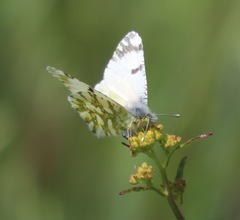
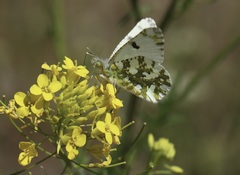
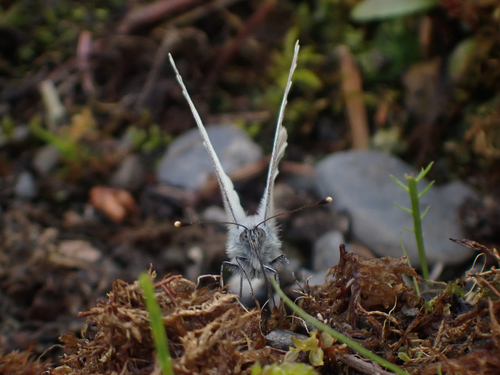
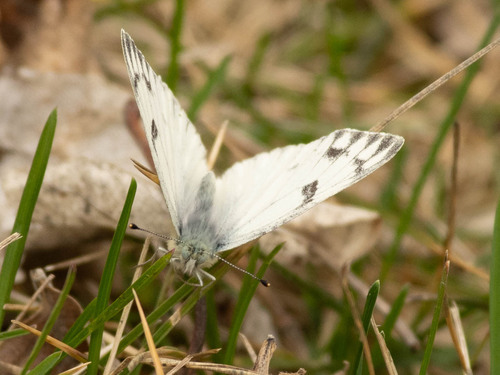
The large marble is a medium-sized butterfly. It has white scales that are scattered in the forewing and a black pattern on the tip of the forewing. There is compact green marbling on the underside of the hindwing. The wingspan of this butterfly can go from 3.8 - 5.1 cm.

Females of E. ausonides are able to move at greater distances and speeds than males.... Wikipedia →
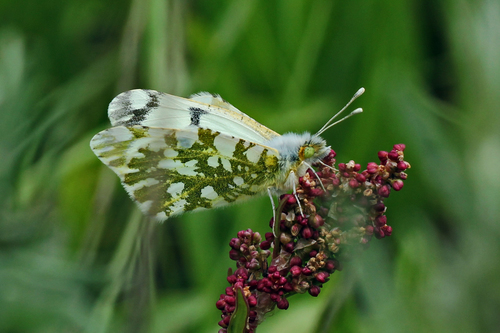
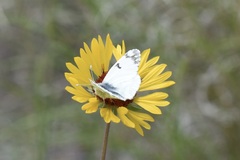
Global Distribution

Parks Where Found

# Park Country Daily sighting probability
1 Isle Royale National Park 🇺🇸 United States
~20%
2 Rocky Mountain National Park 🇺🇸 United States
~10%
3 Grand Teton National Park 🇺🇸 United States
~10%
4 Yellowstone National Park 🇺🇸 United States
~10%

Cities Where Found

# City Country Daily sighting probability
1 San Francisco 🇺🇸 United States
<5%

Before you go

What are the chances of seeing a Large Marble in Yellowstone National Park?

With luck

About 10% of wildlife watchers report a Large Marble sighting in Yellowstone National Park on a given day, based on 12 verified sightings from GBIF citizen-science data from 2019 to 2026. It is the 81st most-seen of the 160 insects we can rate there. Over three days the chance rises to about 20%, and over a week to about 30%, if each day is a fresh chance.

When is the best time to see a Large Marble in Yellowstone National Park?

May and June

In those months about 10% of wildlife watchers report a Large Marble in Yellowstone National Park on a given day, against under 5% in July to April, the lowest months.

What time of day is best to see a Large Marble?

Between noon and 3 pm

Across all the parks we cover, that three-hour window holds the most Large Marble sightings with a recorded time, and about 8 in 10 of them come between 6 am and 6 pm: it is a daytime animal.

Which relatives of the Large Marble live in Yellowstone National Park?

Same family: Pieridae

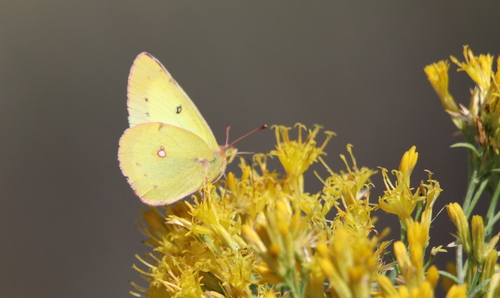
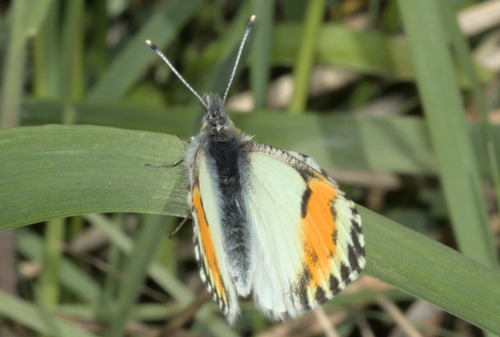
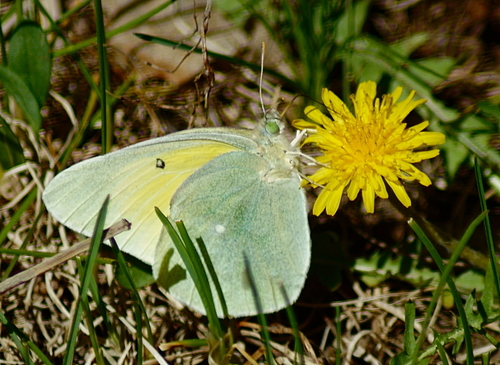
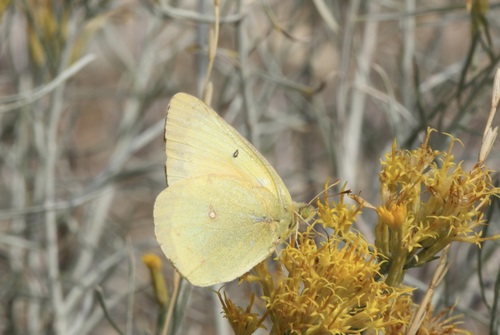
The closest relatives of the Large Marble that you can see in Yellowstone National Park (family Pieridae, Whites, Yellows, and Sulphurs) are Clouded Sulphur (about 10%), Julia Orangetip (about 10%) and Margined White (about 10%), with each one's daily chance of a sighting.

Where does the Large Marble sighting chance come from?

GBIF citizen-science records

It is estimated from how often the Large Marble is recorded against all the insects logged in Yellowstone National Park (12 verified sightings from 2019 to 2026), calibrated against known sighting rates. Figures are rounded to the nearest 10% because citizen-science data supports honest approximations, not decimals, and months with records from fewer than five people show "—". How it works.

← Back to Yellowstone National Park