
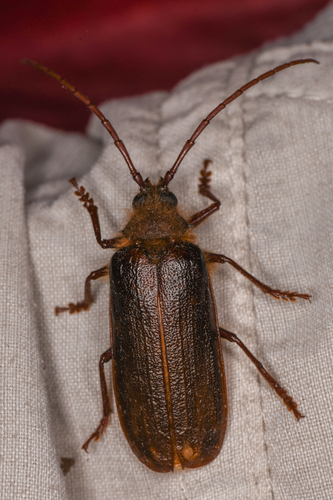
Ten-Lined June Beetle

Ten-Lined June Beetle

Polyphylla decemlineata

Daily sighting probability <5% · Rare
at Yellowstone National Park

In 3 days ~10% in a week ~30%

7 Verified sightings at Yellowstone National Park From 2019 to 2026
19 In all 3 parks
August Best month
☀️🌙 Day & Night When it's spotted

About the Ten-Lined June Beetle

The ten-lined June beetle (Polyphylla decemlineata), also known as the watermelon beetle, is a scarab beetle found in the western United States and Canada. The adults are attracted to light and feed on foliage, notably mature pine needles. They can make a hissing sound when touched or otherwise disturbed, which can resemble the hissing of a bat. This sound is made by their wings pushing down, forcing the air out between their wings and back. They can be an agricultural pest affecting a wide range of crops because their larvae feed on plant roots and can weaken or kill the plants.

They are relatively large in size, some growing to sizes as large as 1.5 inches (3 cm) or more. As in other members of this genus, the males have large distinctive antennae consisting of several lamellate plates, which they close up when threatened. The antennae are used to detect pheromones emitted by the females. The wing covers (elytra) have four long white stripes and one short stripe each. The underside of the thorax is covered with brownish hairs.

This species is commonly confused with Polyphylla crinita, also known as the Long Haired June Beetle. Polyphylla decemlineata... Wikipedia →

Global Distribution

Parks Where Found

# Park Country Daily sighting probability
1 Zion National Park 🇺🇸 United States
~10%
2 Yellowstone National Park 🇺🇸 United States
<5%
3 Yosemite National Park 🇺🇸 United States
<5%

Cities Where Found

# City Country Daily sighting probability
1 Salt Lake City 🇺🇸 United States
~10%
2 Denver 🇺🇸 United States
~10%
3 San Diego 🇺🇸 United States
~10%
4 Portland 🇺🇸 United States
<5%
5 Sacramento 🇺🇸 United States
<5%
6 Los Angeles 🇺🇸 United States
<5%
7 Seattle 🇺🇸 United States
<5%
8 Austin 🇺🇸 United States
<5%
9 San Francisco 🇺🇸 United States
<5%

Before you go

What are the chances of seeing a Ten-Lined June Beetle in Yellowstone National Park?

Rare

Under 5% of wildlife watchers report a Ten-Lined June Beetle sighting in Yellowstone National Park on a given day, based on 7 verified sightings from GBIF citizen-science data from 2019 to 2026. It is the 118th most-seen of the 160 insects we can rate there. Over three days the chance rises to about 10%, and over a week to about 30%, if each day is a fresh chance.

When is the best time to see a Ten-Lined June Beetle in Yellowstone National Park?

July to September

In those months about 10% of wildlife watchers report a Ten-Lined June Beetle in Yellowstone National Park on a given day, against under 5% in October to June, the lowest months.

What time of day is best to see a Ten-Lined June Beetle?

Between 2 and 5 pm

Across all the parks we cover, that three-hour window holds the most Ten-Lined June Beetle sightings with a recorded time, and about 6 in 10 of them come between 6 am and 6 pm: it is seen both by day and at night.

Is Yellowstone National Park the best place to see a Ten-Lined June Beetle?

2nd of 3

Of the 3 parks where we can rate Ten-Lined June Beetle sightings, Yellowstone National Park ranks 2nd at under 5%. The best odds are in Zion National Park (United States, about 10%).

Which relatives of the Ten-Lined June Beetle live in Yellowstone National Park?

Same order: Coleoptera

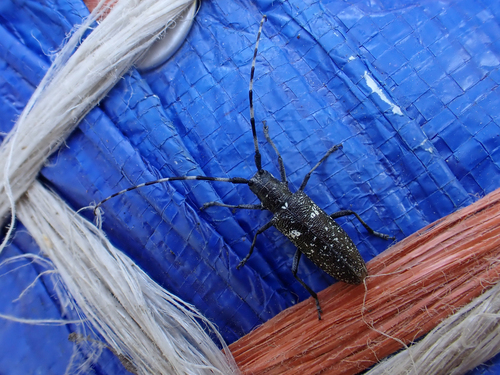
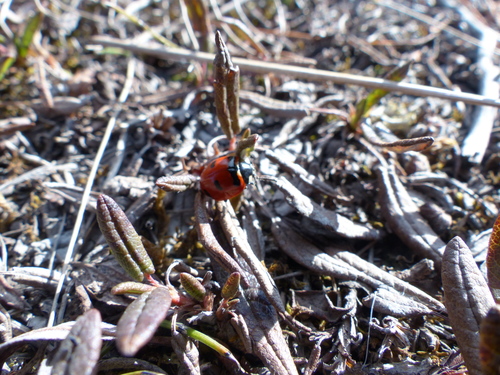
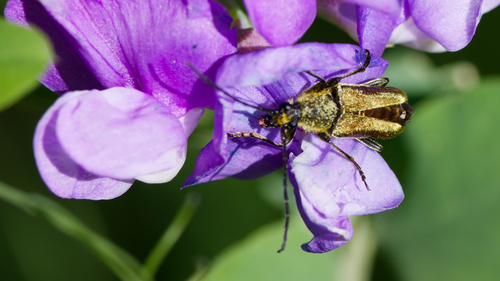
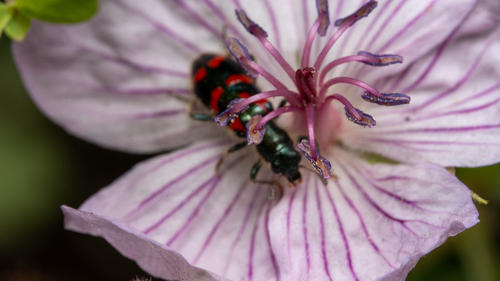
The closest relatives of the Ten-Lined June Beetle that you can see in Yellowstone National Park (order Coleoptera, Beetles) are White-Spotted Sawyer (about 20%), Transverse Lady Beetle (about 20%) and Yellow Velvet Beetle (about 10%), with each one's daily chance of a sighting.

Where does the Ten-Lined June Beetle sighting chance come from?

GBIF citizen-science records

It is estimated from how often the Ten-Lined June Beetle is recorded against all the insects logged in Yellowstone National Park (7 verified sightings from 2019 to 2026), calibrated against known sighting rates. Figures are rounded to the nearest 10% because citizen-science data supports honest approximations, not decimals, and months with records from fewer than five people show "—". How it works.

← Back to Yellowstone National Park