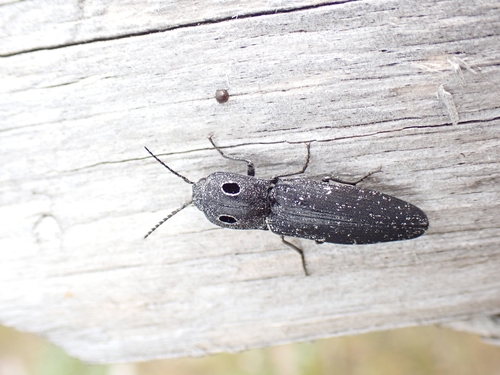
Stout's Hardwood Borer

Stout's Hardwood Borer

Polycaon stoutii

Daily sighting probability <5% · Rare
at Yosemite National Park

In 3 days ~10% in a week ~30%

6 Verified sightings at Yosemite National Park From 2019 to 2026
6 In 1 park
June Best month
☀️🌙 Day & Night When it's spotted

About the Stout's Hardwood Borer

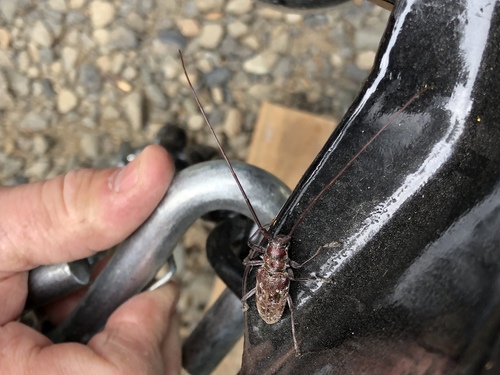
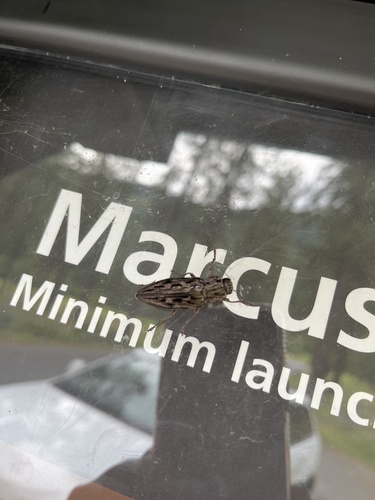
Polycaon stoutii, the black polycaon or Stout's branch borer, is a species of woodboring beetle in the Bostrichidae family. It is found in North America in British Columbia, the Pacific Coast states, and Arizona, but has spread elsewhere due to the shipping of wood products.

Polycaon stoutii breeds in hardwoods. The female bores into the wood and lays its eggs in a tunnel. Usually, these host trees are dead or dying, but they are reported to bore into healthy ones as well. Recorded host trees include redwood, coast live oak, maple, manzanita, madrone, California laurel, sycamore, hickory, mahogany, ash, and various fruit trees. Infestation can occur before the trees have been harvested or in a lumberyard.

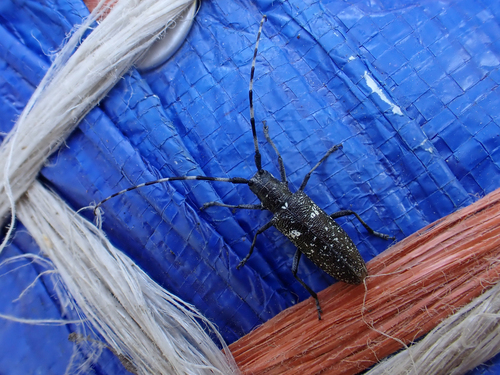
Larvae develop inside the wood for at least a year, but can remain there for over twenty years before emerging as adults. They are known for occasionally emerging from wooden furniture. Adults are 10-23 mm in length. They are cylindrical, hairy, and black. Their heads are slightly downturned.

Polycaon stoutii can be distinguished from the related P. granulatus by the antennae having 11 segments and the 2nd and 3rd tarsal segments being... Wikipedia →
Global Distribution

Parks Where Found

# Park Country Daily sighting probability
1 Yosemite National Park 🇺🇸 United States
<5%

More parks will be added in future updates.

Cities Where Found

# City Country Daily sighting probability
1 Los Angeles 🇺🇸 United States
<5%
2 San Francisco 🇺🇸 United States
<5%
3 San Diego 🇺🇸 United States
<5%

Before you go

What are the chances of seeing a Stout's Hardwood Borer in Yosemite National Park?

Rare

Under 5% of wildlife watchers report a Stout's Hardwood Borer sighting in Yosemite National Park on a given day, based on 6 verified sightings from GBIF citizen-science data from 2019 to 2026. It is the 192nd most-seen of the 227 insects we can rate there. Over three days the chance rises to about 10%, and over a week to about 30%, if each day is a fresh chance.

When is the best time to see a Stout's Hardwood Borer in Yosemite National Park?

June

In that month about 10% of wildlife watchers report a Stout's Hardwood Borer in Yosemite National Park on a given day, against under 5% in July to May, the lowest months. That is one of Yosemite National Park's driest months, with about 25 mm of rain against 220 mm in January.

What time of day is best to see a Stout's Hardwood Borer?

Between 7 and 10 pm

Across all the parks we cover, that three-hour window holds the most Stout's Hardwood Borer sightings with a recorded time, and about half of them come between 6 am and 6 pm: it is seen both by day and at night.

Where else can you see a Stout's Hardwood Borer?

Only Yosemite National Park, in our data

Yosemite National Park is the only park on Wallace's Line with enough records to rate Stout's Hardwood Borer sightings: under 5% of wildlife watchers there report one on a given day.

Which relatives of the Stout's Hardwood Borer live in Yosemite National Park?

Same order: Coleoptera

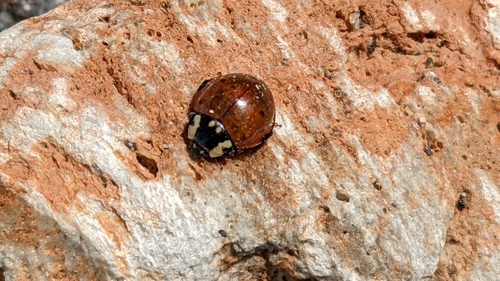
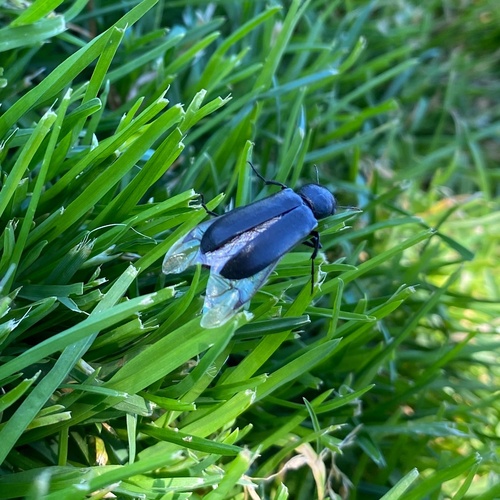
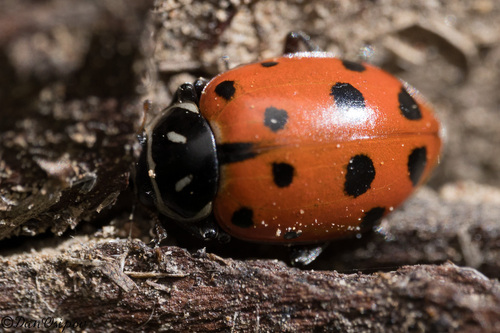
The closest relatives of the Stout's Hardwood Borer that you can see in Yosemite National Park (order Coleoptera, Beetles) are Convergent Lady Beetle (about 30%), Cobalt Milkweed Beetle (about 20%) and White-Spotted Sawyer (about 10%), with each one's daily chance of a sighting.

Where does the Stout's Hardwood Borer sighting chance come from?

GBIF citizen-science records

It is estimated from how often the Stout's Hardwood Borer is recorded against all the insects logged in Yosemite National Park (6 verified sightings from 2019 to 2026), calibrated against known sighting rates. Figures are rounded to the nearest 10% because citizen-science data supports honest approximations, not decimals, and months with records from fewer than five people show "—". How it works.

← Back to Yosemite National Park