Introduced Pine Sawfly

Introduced Pine Sawfly

Diprion similis

Daily sighting probability ~10% · With luck
at Acadia National Park

In 3 days ~30% in a week ~50%

26 Verified sightings at Acadia National Park From 2019 to 2026
26 In 1 park
September Best month
☀️ Diurnal When it's spotted

About the Introduced Pine Sawfly

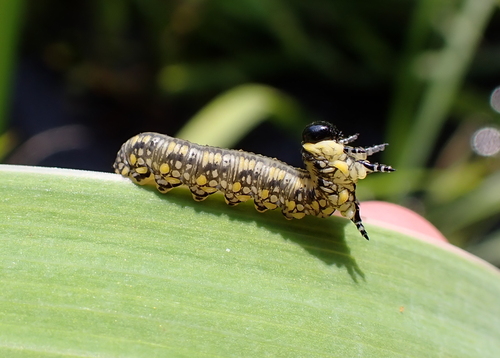
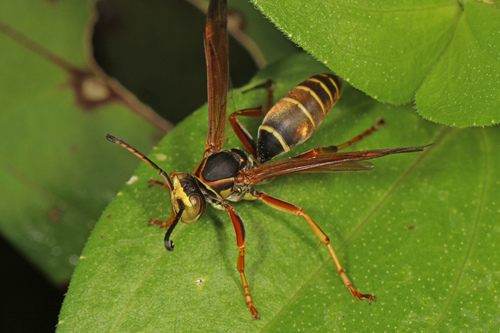
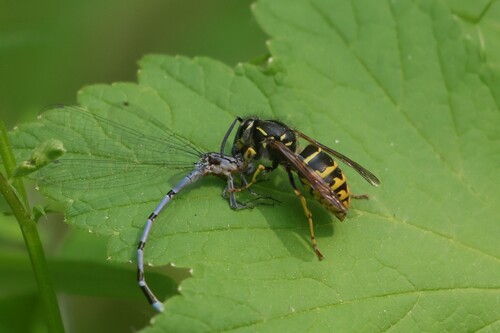
Diprion similis is a species of sawfly in the family Diprionidae. It is native to central and northern Europe and Asia but was accidentally introduced into North America where it has become invasive. The larvae feed on the needles of pine trees, especially those of the white pine (Pinus strobus). In North America it is known as the introduced pine sawfly or the imported pine sawfly. It is also known as the white pine sawfly because of its preference for feeding on the white pine, but this name is confusing because another sawfly, Neodiprion pinetum, whose larvae also feed on this tree, is itself known as the "white pine sawfly".

The adult male is between 7 and 9 mm (0.28 and 0.35 in) in length, black apart from the underside of the abdomen which is sometimes reddish-brown. Antennae are black and bipectinate (feather-like), and legs are yellow except for the trochanters and the base of the femora which are brownish-black. The female is between 7.5 and 10 mm (0.3 and 0.4 in) long, with a black head and thorax and usually a yellow and black abdomen, although some individuals are dark. Antennae are black and serrate (saw-like), and legs are yellow with dusky bases.

Larvae... Wikipedia →

Global Distribution

Parks Where Found

# Park Country Daily sighting probability
1 Acadia National Park 🇺🇸 United States
~10%

More parks will be added in future updates.

Cities Where Found

# City Country Daily sighting probability
1 Boston 🇺🇸 United States
<5%
2 Toronto 🇨🇦 Canada
<5%

Before you go

What are the chances of seeing an Introduced Pine Sawfly in Acadia National Park?

With luck

About 10% of wildlife watchers report an Introduced Pine Sawfly sighting in Acadia National Park on a given day, based on 26 verified sightings from GBIF citizen-science data from 2019 to 2026. It is the 100th most-seen of the 405 insects we can rate there. Over three days the chance rises to about 30%, and over a week to about 50%, if each day is a fresh chance.

When is the best time to see an Introduced Pine Sawfly in Acadia National Park?

September

In that month about 20% of wildlife watchers report an Introduced Pine Sawfly in Acadia National Park on a given day, against under 5% in November to May, the lowest months.

What time of day is best to see an Introduced Pine Sawfly?

Between 9 am and noon

Across all the parks we cover, that three-hour window holds the most Introduced Pine Sawfly sightings with a recorded time, and about 8 in 10 of them come between 6 am and 6 pm: it is a daytime animal.

Where else can you see an Introduced Pine Sawfly?

Only Acadia National Park, in our data

Acadia National Park is the only park on Wallace's Line with enough records to rate Introduced Pine Sawfly sightings: about 10% of wildlife watchers there report one on a given day.

Which relatives of the Introduced Pine Sawfly live in Acadia National Park?

Same order: Hymenoptera

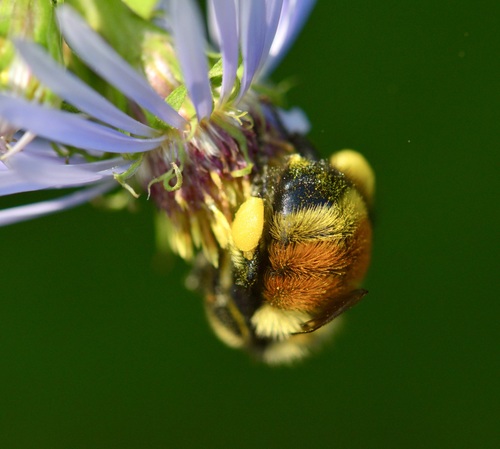
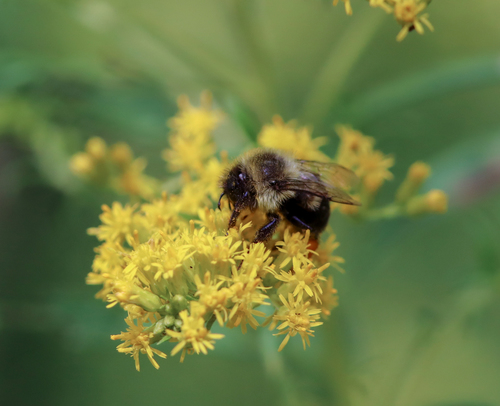
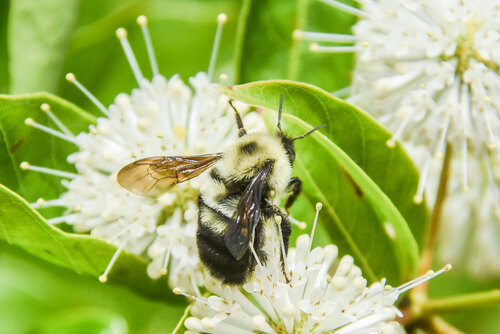
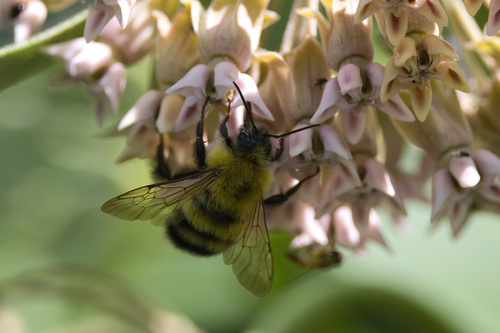
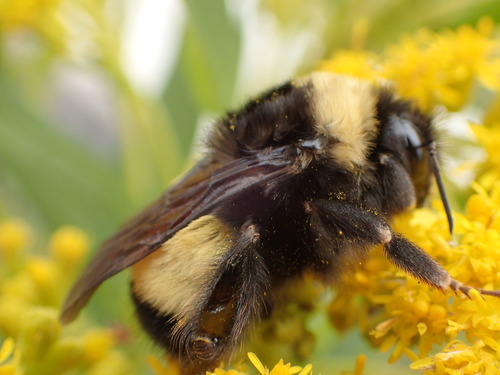
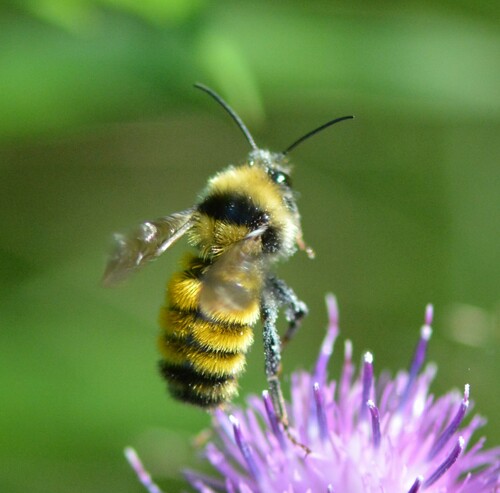
The closest relatives of the Introduced Pine Sawfly that you can see in Acadia National Park (order Hymenoptera, Ants, Bees, Wasps, and Sawflies) are Tricolored Bumble Bee (about 40%), Common Eastern Bumble Bee (about 30%) and Two-Spotted Bumble Bee (about 20%), with each one's daily chance of a sighting.

Where does the Introduced Pine Sawfly sighting chance come from?

GBIF citizen-science records

It is estimated from how often the Introduced Pine Sawfly is recorded against all the insects logged in Acadia National Park (26 verified sightings from 2019 to 2026), calibrated against known sighting rates. Figures are rounded to the nearest 10% because citizen-science data supports honest approximations, not decimals, and months with records from fewer than five people show "—". How it works.

← Back to Acadia National Park