







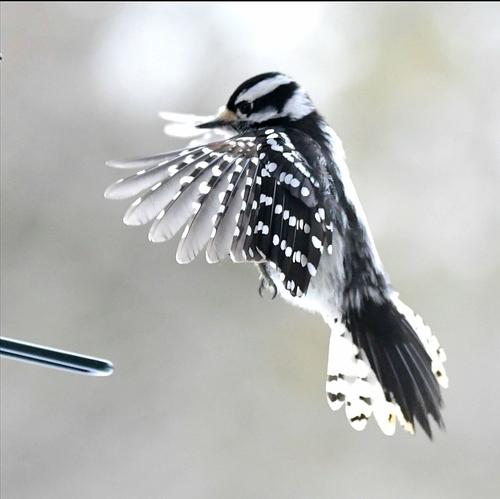





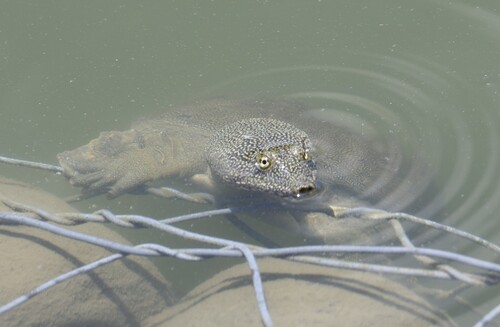


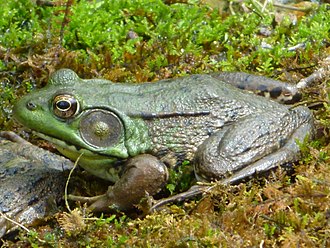


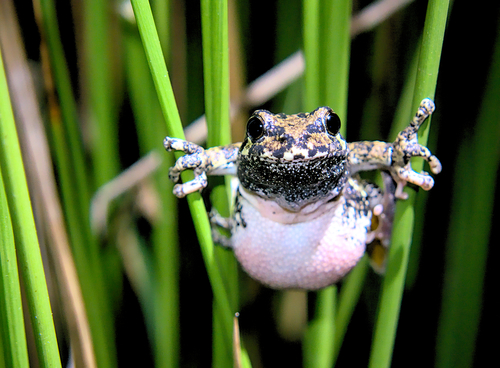




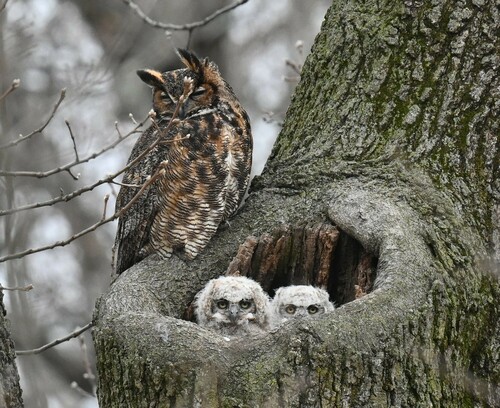


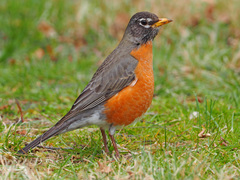
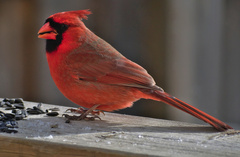


All 4 in 3 days here: ~90%
City
Boston
🇺🇸 United States
North America, United States 385 spp. recorded
Boston is the capital and most populous city of the U.S. It serves as a cultural and financial center of New England, a region of the Northeastern United States. Wikipedia
42.365° N 71.093° W
🦜 Nature

385 Species sighted
1,275,593 Verified sightings From 2019 to 2026
Jul Best month
⭐ Iconic Species
📊 Most Spotted
⭐ Iconic Species
📊 Most Spotted
⭐ Iconic Species
📊 Most Spotted
📊 Most Spotted

LC
 Common Musk Turtle
Sternotherus odoratus

LC
 North American Racer
Coluber constrictor
📊 Most Spotted

LC
 Eastern Newt
Notophthalmus viridescens
📊 Most Spotted
🌙 Most active after dark

LC
 Mediterranean House Gecko
Hemidactylus turcicus
Challenges you can complete here

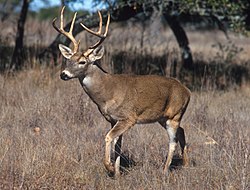


All 3 in 3 days here: ~50%





All 6 in 3 days here: ~10%


All 4 in 3 days here: <5%
Recent sightings in Boston
LIVEiNaturalistWhere to look
Warmer areas are where all species together are recorded most often.
-
Mount Auburn Cemetery
-
Winthrop Beach and Five Sisters
-
Arlington Reservoir
-
Belle Isle Marsh Reservation
-
Fresh Pond, Cambridge
-
Squantum · Squantum Point Park
-
Ell Pond, Melrose
-
Chestnut Hill Reservoir, Boston
-
Hall's Pond and Amory Woods


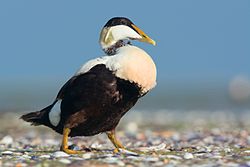

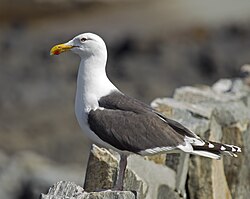


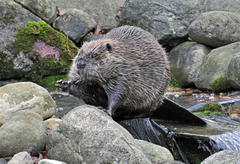
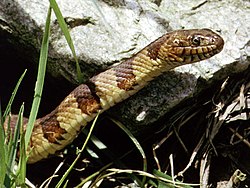


Sighting Calendar
How many species you'd see in a day
28Jan
28Feb
33Mar
43Apr
66May
82Jun
90Jul
86Aug
72Sep
58Oct
42Nov
32Dec
🏙️ City
Essentials
Green cover
High
Protected land
0.4%
Protected sea
0.0%
Protected areas
89
areasWildlife spots
12
spotsZoos & centres
4
placesClimate
Continental
World Heritage
No
Climate
Temp °C Rain mm
JanFebMarAprMayJunJulAugSepOctNovDec


0.0 World-class
Wallace's Line Score
How good is this city for seeing wildlife? 🦜
Biodiversity
ExcellentHow rich is the wildlife?
5.0
Species by taxon
🦅 Birds 481
🐒 Mammals 105
🦎 Reptiles 42
🐸 Amphibians 32
660 Total Species
679 Global average across 380 cities
44 Threatened 16 Endemic
🔭
Sighting
Very goodHow likely to see animals?
4.3
🎯
Top-12 Avg Probability
67% 📊
Coverage (124 species at ≥5% of 660 in the inventory)
19% 🔀
Taxon variety in top 12 (10 bird, 2 mammal)
37% 🌟
Iconic-group species (≥15%) (every species from the 19 iconic groups — monkeys, cats, toucans, macaws, sloths, crocodilians… — not just the 4 highlighted above)
2 ⭐
High-prob species (>40%)
19 🏕️
Experience
ExcellentHow easy and pleasant is the visit?
4.0
Climate Mixed Medium
Green cover High High
Protected land & sea 0.4% land Low
Protected areas 89 High
Wildlife spots 12 High
Zoos & centres 4 High
What visitors say
Before you go
What animals can you see in Boston?
385 species
Boston's urban area has 385 recorded vertebrate species. The ones wildlife watchers report most often on a given day are American Robin (about 80%), Blue Jay (about 80%), Eastern Gray Squirrel (about 80%), Eastern Cottontail (about 70%) and Northern Cardinal (about 70%). Among reptiles, the most-seen is Painted Turtle (about 30%); among amphibians, American Toad (about 20%).
When is the best time to see wildlife in Boston?
March–July and October
In those months the city's 12 most-seen species average about 70% on a given day, against about 60% in August–September and November–February.
Can you see a Blue Jay in Boston?
Yes
About 80% of wildlife watchers report a Blue Jay sighting in Boston on a given day, based on 49,627 verified sightings from GBIF citizen-science data from 2019 to 2026. The best time is October (about 90%).
Can you see a Northern Cardinal in Boston?
Yes
About 70% of wildlife watchers report a Northern Cardinal sighting in Boston on a given day, based on 42,308 verified sightings from GBIF citizen-science data from 2019 to 2026. The best time is April and May (about 80%).
Can you see an Eastern Gray Squirrel in Boston?
Yes
About 80% of wildlife watchers report an Eastern Gray Squirrel sighting in Boston on a given day, based on 8,154 verified sightings from GBIF citizen-science data from 2019 to 2026. The best time is October (about 90%).
Where in Boston is wildlife easiest to see?
Mount Auburn Cemetery
The spot where most wildlife watchers record their sightings is Mount Auburn Cemetery (166 bird species recorded), followed by Winthrop Beach and Five Sisters and Arlington Reservoir. See them on the map.
Is Boston good for wildlife watching?
4.5 out of 5
On the Wallace's Line Score, which rates each city against other cities, Boston gets 4.5/5: 87th of 380 cities worldwide and 8th in North America. 24 of its species are reported by about 40% or more of wildlife watchers on a given day.
Nearest Cities


Nearest Parks


Nearest Zoos & Centres
Sources: urban area GHSL Urban Centre Database R2024A, European Commission JRC (CC BY 4.0) · protected land WDPA, UNEP-WCMC & IUCN (via GHSL) · climate NASA POWER · wildlife GBIF.org citizen-science data