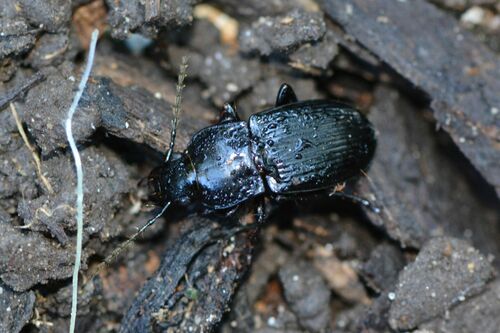
Anisodactylus binotatus

Anisodactylus binotatus

Anisodactylus binotatus

Daily sighting probability <5% · Rare
at Bavarian Forest National Park

In 3 days ~10% in a week ~30%

6 Verified sightings at Bavarian Forest National Park From 2019 to 2026
6 In 1 park
April Best month
☀️ Diurnal When it's spotted

About the Anisodactylus binotatus

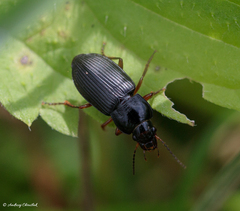
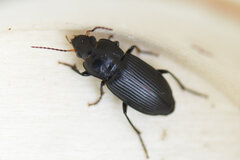
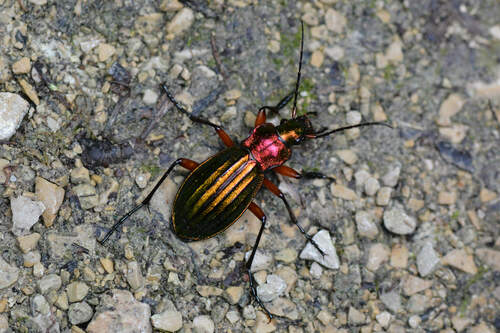
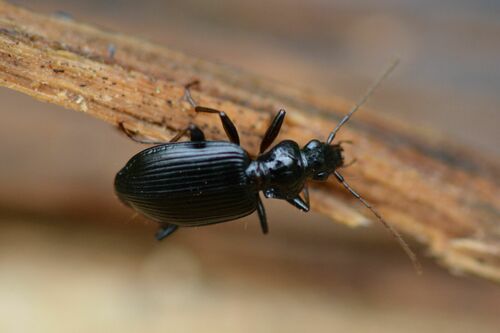
Anisodactylus binotatus is a species of ground beetle native to Europe. It was discovered as being introduced to Canterbury, New Zealand in 1938. Anisodactylus binotatus (Fabricius, 1787) is a species of Carabidae, also known as the ground beetle family. Although this species of beetle has no official recorded common names, literature from England refers to it as the common shortspur beetle.

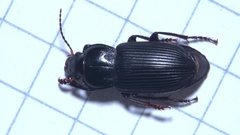
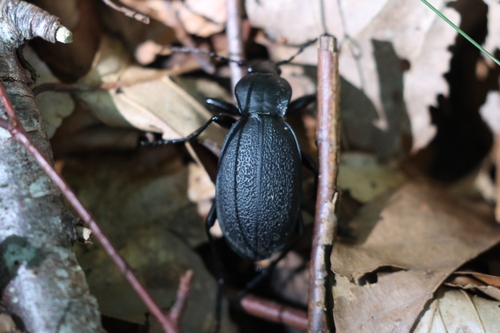
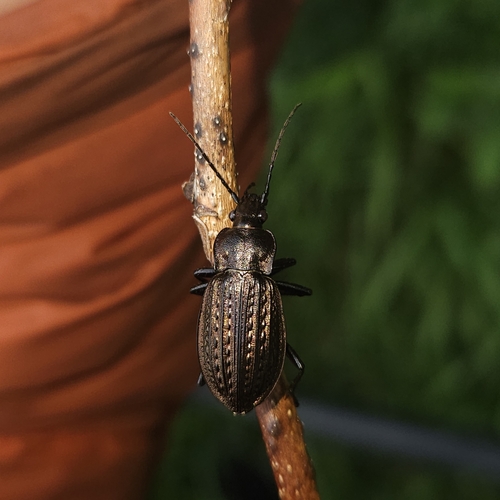
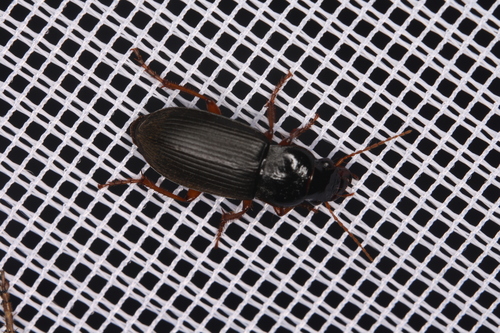
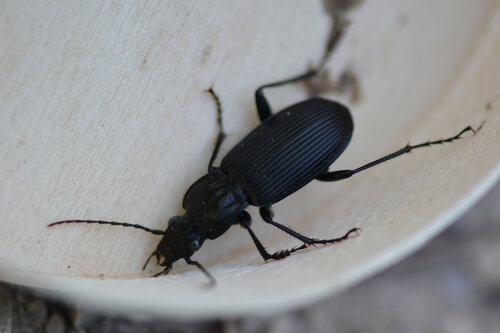
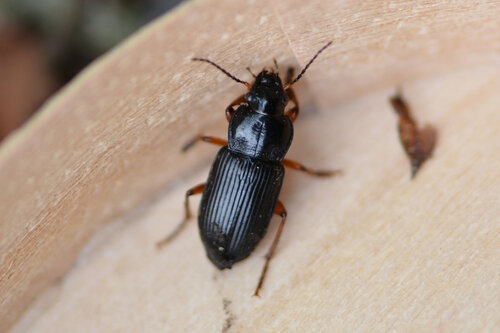
A. binotatus ranges from 10–12.7 mm (0.39–0.50 in) in length and has shiny black colouration. This shine is not metallic but a black polish shine. This black colouration is present on the head, pronotum, and femora. The pronotum is the first segment or hard plate that protects the thorax. The femora is the leg segment which connects to the tibia and coxa

A defining feature of the order Coleoptera is a hardened pair of forewings. This feature is referred to as the elytra. Because Anisodactylus binotatus belongs to Coleoptera, it too has these leather- like hardened forewings which are black. The elytra has a uniform impressed pattern, with small evenly spaced 'crinkle'-like waves in the elytra. Setae which look like light hairs can be found at the base or apex of the elytra and... Wikipedia →
Global Distribution

Parks Where Found

# Park Country Daily sighting probability
1 Bavarian Forest National Park 🇩🇪 Germany
<5%

More parks will be added in future updates.

Cities Where Found

# City Country Daily sighting probability
1 Portland 🇺🇸 United States
<5%
2 Seattle 🇺🇸 United States
<5%

Before you go

What are the chances of seeing an Anisodactylus binotatus in Bavarian Forest National Park?

Rare

Under 5% of wildlife watchers report an Anisodactylus binotatus sighting in Bavarian Forest National Park on a given day, based on 6 verified sightings from GBIF citizen-science data from 2019 to 2026. It is the 964th most-seen of the 1115 insects we can rate there. Over three days the chance rises to about 10%, and over a week to about 30%, if each day is a fresh chance.

When is the best time to see an Anisodactylus binotatus in Bavarian Forest National Park?

April and May

In those months about 10% of wildlife watchers report an Anisodactylus binotatus in Bavarian Forest National Park on a given day, against under 5% in June to March, the lowest months.

What time of day is best to see an Anisodactylus binotatus?

Between 11 am and 2 pm

Across all the parks we cover, that three-hour window holds the most Anisodactylus binotatus sightings with a recorded time, and about 8 in 10 of them come between 6 am and 6 pm: it is a daytime animal.

Where else can you see an Anisodactylus binotatus?

Only Bavarian Forest National Park, in our data

Bavarian Forest National Park is the only park on Wallace's Line with enough records to rate Anisodactylus binotatus sightings: under 5% of wildlife watchers there report one on a given day.

Which relatives of the Anisodactylus binotatus live in Bavarian Forest National Park?

Same family: Carabidae

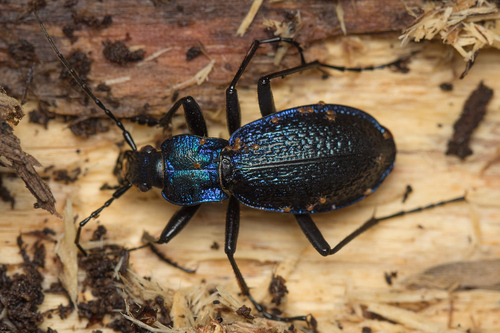
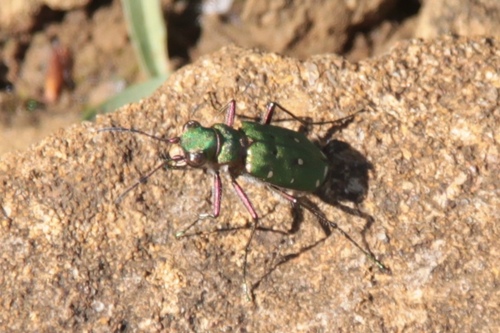
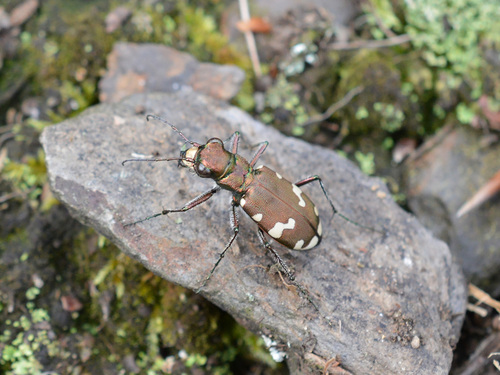
The closest relatives of the Anisodactylus binotatus that you can see in Bavarian Forest National Park (family Carabidae, Ground Beetles) are Blue Ground Beetle (about 20%), Carabus auronitens (about 20%) and Green Tiger Beetle (about 10%), with each one's daily chance of a sighting.

Where does the Anisodactylus binotatus sighting chance come from?

GBIF citizen-science records

It is estimated from how often the Anisodactylus binotatus is recorded against all the insects logged in Bavarian Forest National Park (6 verified sightings from 2019 to 2026), calibrated against known sighting rates. Figures are rounded to the nearest 10% because citizen-science data supports honest approximations, not decimals, and months with records from fewer than five people show "—". How it works.

← Back to Bavarian Forest National Park