
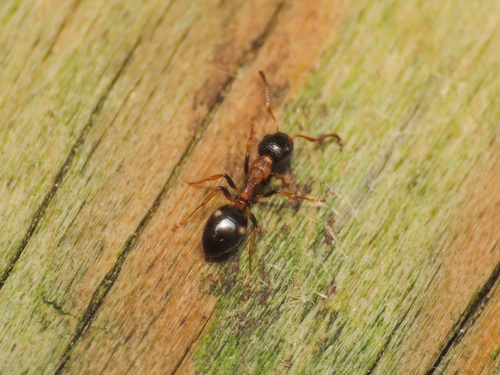
Bicoloured Miner
Daily sighting probability ~10% · With luck
at Bavarian Forest National Park

In 3 days ~10% in a week ~30%

7 Verified sightings at Bavarian Forest National Park From 2019 to 2026
7 In 1 park
March Best month
☀️ Diurnal When it's spotted

About the Bicoloured Miner

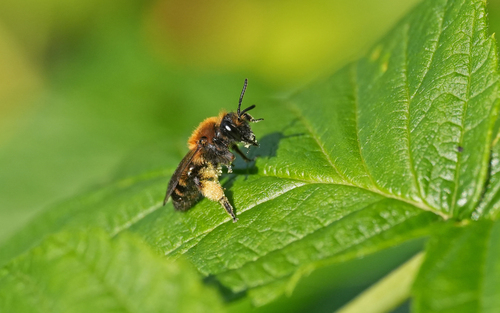
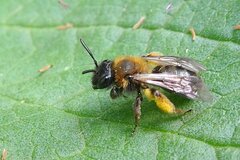
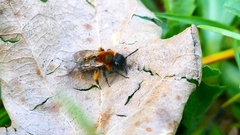
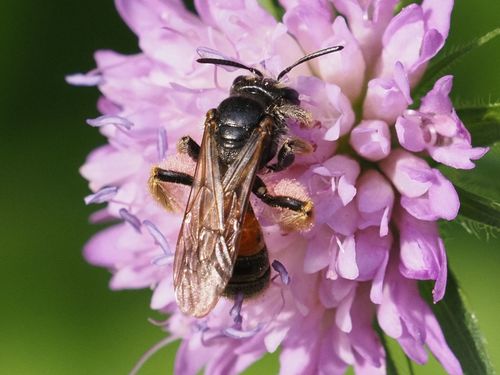
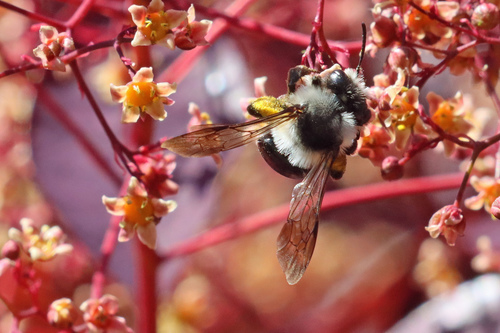
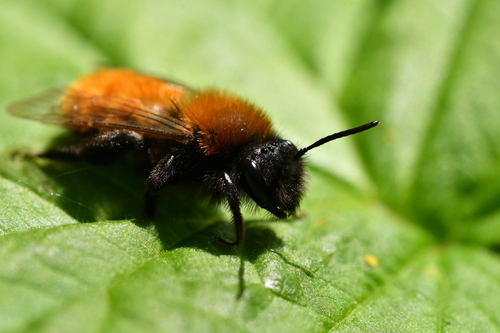
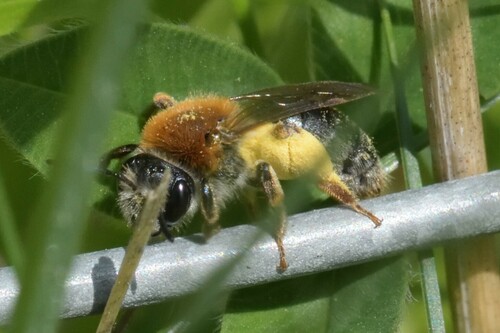
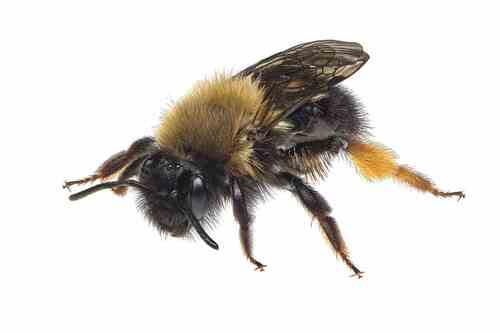
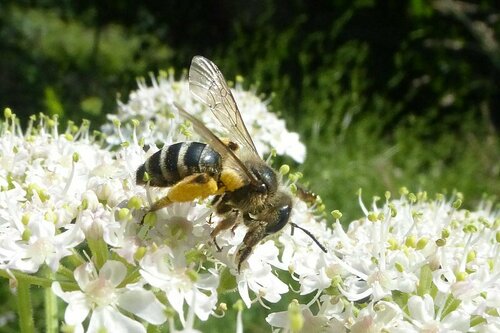
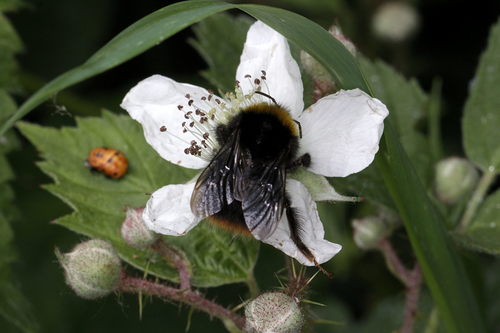
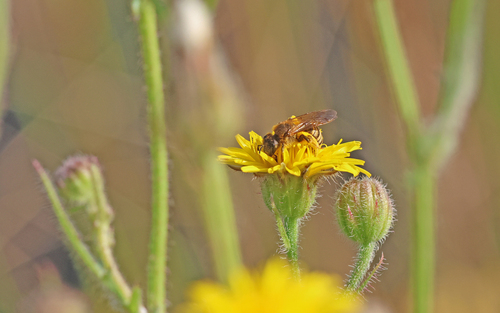
Andrena bicolor, or Gwynne's mining bee, is a common and widespread Western Palearctic mining bee which is found over most of Europe as well as North Africa and the Middle East and which reaches eastwards into Siberia. Andrena bicolor is a small to medium-sized mining bee, with the males being slightly smaller than the females. The females have a coat of reddish-brown hairs on the dorsal surface of the thorax, a wholly black-haired face and indistinct bands of yellowish hairs on the margins of the first to third tergites. The spring brood can show an extensive black hair covering on the femur and the sides of the thorax, this is not as marked in the autumn brood. It has dark tibia on the hind legs but these have obvious orange hairs which have been said to resemble a pair of orange leg warmers. The spring brood males have black hairs on the head and side of the thorax and lack the bright colours of the females, while summer brood males often show brown hairs on the face and have no black hairs on the side of the thorax.

Andrena bicolor is a widely distributed species in Europe from most of Great Britain and Ireland in the west to southern Fennoscandia... Wikipedia →

Global Distribution

Parks Where Found

# Park Country Daily sighting probability
1 Bavarian Forest National Park 🇩🇪 Germany
~10%

More parks will be added in future updates.

Cities Where Found

# City Country Daily sighting probability
1 Liverpool 🇬🇧 United Kingdom
~10%
2 London 🇬🇧 United Kingdom
<5%
3 Hamburg 🇩🇪 Germany
<5%
4 Munich 🇩🇪 Germany
<5%
5 Birmingham 🇬🇧 United Kingdom
<5%
6 Essen 🇩🇪 Germany
<5%
7 Berlin 🇩🇪 Germany
<5%
8 Vienna 🇦🇹 Austria
<5%

Before you go

What are the chances of seeing a Bicoloured Miner in Bavarian Forest National Park?

With luck

About 10% of wildlife watchers report a Bicoloured Miner sighting in Bavarian Forest National Park on a given day, based on 7 verified sightings from GBIF citizen-science data from 2019 to 2026. It is the 727th most-seen of the 1115 insects we can rate there. Over three days the chance rises to about 10%, and over a week to about 30%, if each day is a fresh chance.

When is the best time to see a Bicoloured Miner in Bavarian Forest National Park?

March

In that month about 20% of wildlife watchers report a Bicoloured Miner in Bavarian Forest National Park on a given day, against under 5% in May to February, the lowest months.

What time of day is best to see a Bicoloured Miner?

Between 9 am and noon

Across all the parks we cover, that three-hour window holds the most Bicoloured Miner sightings with a recorded time, and nearly all of them come between 6 am and 6 pm: it is a daytime animal.

Where else can you see a Bicoloured Miner?

Only Bavarian Forest National Park, in our data

Bavarian Forest National Park is the only park on Wallace's Line with enough records to rate Bicoloured Miner sightings: about 10% of wildlife watchers there report one on a given day.

Which relatives of the Bicoloured Miner live in Bavarian Forest National Park?

Same genus: Andrena

The closest relatives of the Bicoloured Miner that you can see in Bavarian Forest National Park (genus Andrena, Mining Bees) are Large Scabious Mining Bee (about 10%), Ashy Mining Bee (about 10%) and Tawny Mining Bee (about 10%), with each one's daily chance of a sighting.

Where does the Bicoloured Miner sighting chance come from?

GBIF citizen-science records

It is estimated from how often the Bicoloured Miner is recorded against all the insects logged in Bavarian Forest National Park (7 verified sightings from 2019 to 2026), calibrated against known sighting rates. Figures are rounded to the nearest 10% because citizen-science data supports honest approximations, not decimals, and months with records from fewer than five people show "—". How it works.

← Back to Bavarian Forest National Park