








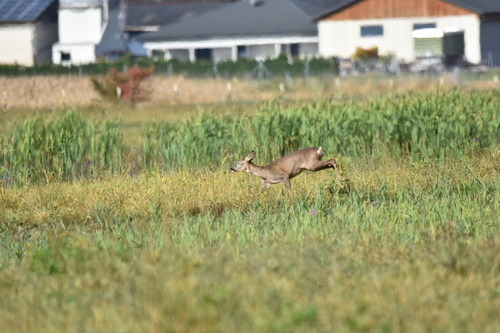




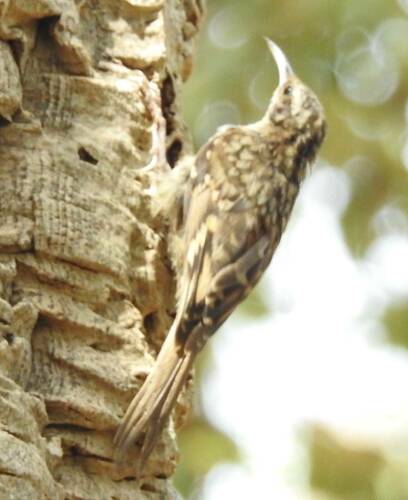


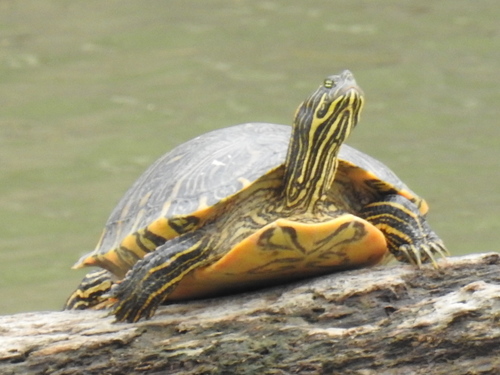


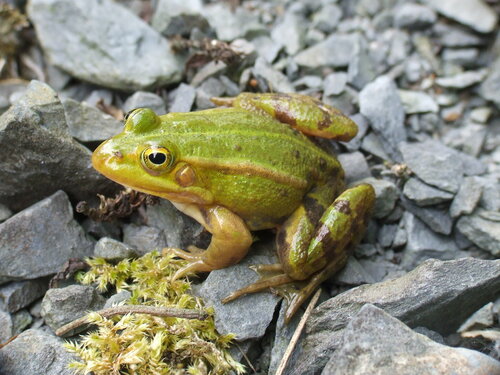

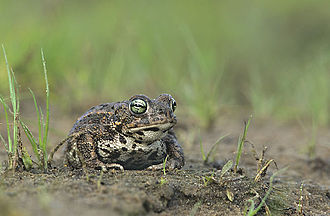


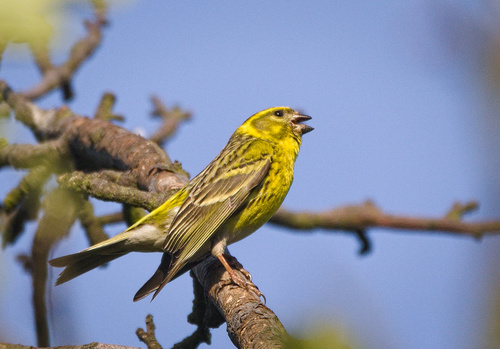


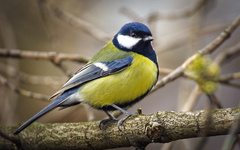
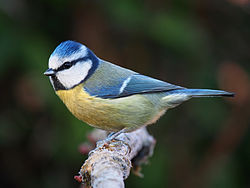


All 5 in 3 days here: ~70%
City
Berlin
🇩🇪 Germany
Europe, Germany 268 spp. recorded
Berlin is the capital and largest city of Germany. The metropolis is also one of the states of Germany, being the third-smallest state in the country by area. Berlin is surrounded by the state of Brandenburg, bordering Brandenburg's capital Potsdam to the southwest. Wikipedia
52.513° N 13.394° E
🦜 Nature

268 Species sighted
106,948 Verified sightings From 2019 to 2026
Jul Best month
⭐ Iconic Species
📊 Most Spotted
📊 Most Spotted
⭐ Iconic Species
📊 Most Spotted
📊 Most Spotted

LC
 Ouachita Map Turtle
Graptemys ouachitensis
VU
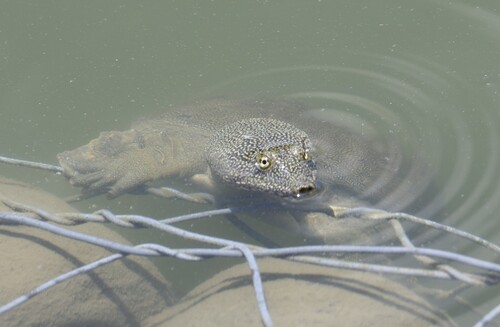
 Chinese Soft-shelled Turtle
Pelodiscus sinensis

LC
 Florida Redbelly Turtle
Pseudemys nelsoni

NT
European Pond Turtle
Emys orbicularis
📊 Most Spotted

LC
 Marsh Frog
Pelophylax ridibundus

LC
 Great Crested Newt
Triturus cristatus
📊 Most Spotted
🌙 Most active after dark
Challenges you can complete here



All 3 in 3 days here: ~30%





All 6 in 3 days here: ~10%


All 7 in 3 days here: <5%
Recent sightings in Berlin
LIVEiNaturalistWhere to look
Warmer areas are where all species together are recorded most often.
-
Großer Tiergarten
-
Landschaftspark Rudow-Altglienicke
-
Britzer Garten
-
Schlossgarten Charlottenburg
-
Dreifaltigkeitsfriedhof II / Kirchhof Luisenstadt I
-
Zoologischer Garten
-
Anita-Berber-Park
-
Volkspark Hasenheide
-
Treptower Park
-
Schlachtensee
-
Volkspark Friedrichshain








Sighting Calendar
How many species you'd see in a day
33Jan
36Feb
46Mar
67Apr
70May
78Jun
80Jul
72Aug
66Sep
57Oct
41Nov
34Dec
🏙️ City
Essentials
Green cover
High
Protected land
6%
Protected sea
—
Protected areas
86
areasWildlife spots
12
spotsZoos & centres
6
placesClimate
Oceanic
Climate
Temp °C Rain mm
JanFebMarAprMayJunJulAugSepOctNovDec


0.0 Excellent
Wallace's Line Score
How good is this city for seeing wildlife? 🦜
Biodiversity
Very goodHow rich is the wildlife?
3.8
Species by taxon
🦅 Birds 379
🐒 Mammals 91
🦎 Reptiles 26
🐸 Amphibians 18
514 Total Species
679 Global average across 380 cities
38 Threatened 0 Endemic
🔭
Sighting
Very goodHow likely to see animals?
4.2
🎯
Top-12 Avg Probability
69% 📊
Coverage (100 species at ≥5% of 514 in the inventory)
19% 🔀
Taxon variety in top 12 (11 bird, 1 mammal)
20% 🌟
Iconic-group species (≥15%) (every species from the 19 iconic groups — monkeys, cats, toucans, macaws, sloths, crocodilians… — not just the 4 highlighted above)
1 ⭐
High-prob species (>40%)
19 🏕️
Experience
ExcellentHow easy and pleasant is the visit?
4.4
Climate Harsh Low
Green cover High High
Protected land & sea 6% land High
Protected areas 86 High
Wildlife spots 12 High
Zoos & centres 6 High
What visitors say
Before you go
What animals can you see in Berlin?
268 species
Berlin's urban area has 268 recorded vertebrate species. The ones wildlife watchers report most often on a given day are Hooded Crow (about 90%), Wood Pigeon (about 90%), Great Tit (about 90%), Eurasian Blackbird (about 80%) and Blue Tit (about 80%). Among mammals, the most-seen is Eurasian Red Squirrel (about 60%); among reptiles, Sand Lizard (about 20%); among amphibians, European Toad (about 20%).
When is the best time to see wildlife in Berlin?
March
In that month the city's 12 most-seen species average about 80% on a given day, against about 60% in July–September and November.
Can you see a Hooded Crow in Berlin?
Yes
About 90% of wildlife watchers report a Hooded Crow sighting in Berlin on a given day, based on 6,662 verified sightings from GBIF citizen-science data from 2019 to 2026. The best time is March and October (over 90%).
Can you see a Wood Pigeon in Berlin?
Yes
About 90% of wildlife watchers report a Wood Pigeon sighting in Berlin on a given day, based on 5,771 verified sightings from GBIF citizen-science data from 2019 to 2026. The best time is February–May and August–September (about 90%).
Can you see a Blue Tit in Berlin?
Yes
About 80% of wildlife watchers report a Blue Tit sighting in Berlin on a given day, based on 4,185 verified sightings from GBIF citizen-science data from 2019 to 2026. The best time is December to March (about 90%).
Where in Berlin is wildlife easiest to see?
Tempelhofer Feld
The spot where most wildlife watchers record their sightings is Tempelhofer Feld (142 bird species recorded), followed by Großer Tiergarten and Landschaftspark Rudow-Altglienicke. See them on the map.
Is Berlin good for wildlife watching?
4.0 out of 5
On the Wallace's Line Score, which rates each city against other cities, Berlin gets 4.0/5: 204th of 380 cities worldwide and 11th in Europe. 21 of its species are reported by about 40% or more of wildlife watchers on a given day.
Nearest Cities


Nearest Parks


Nearest Zoos & Centres
Sources: urban area GHSL Urban Centre Database R2024A, European Commission JRC (CC BY 4.0) · protected land WDPA, UNEP-WCMC & IUCN (via GHSL) · climate NASA POWER · wildlife GBIF.org citizen-science data