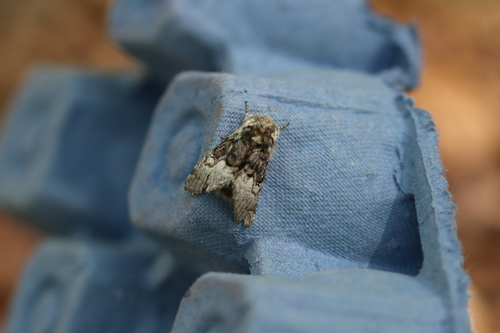
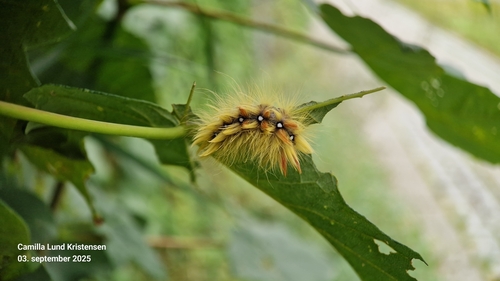
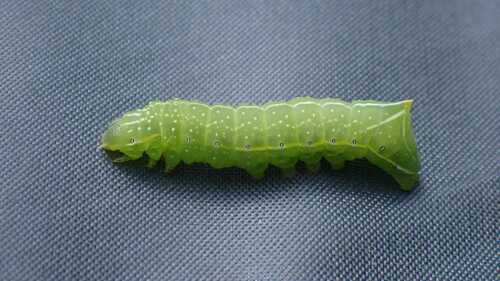
Cabbage Moth

Cabbage Moth

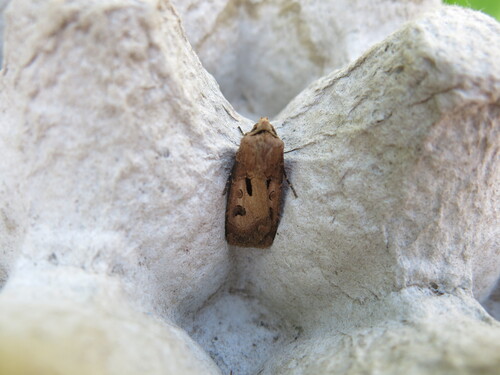
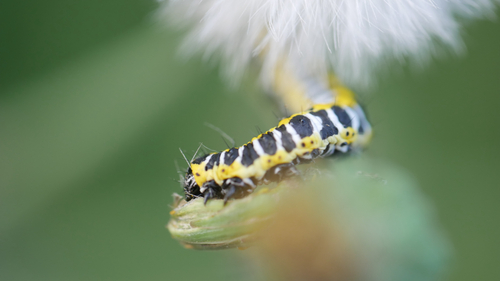
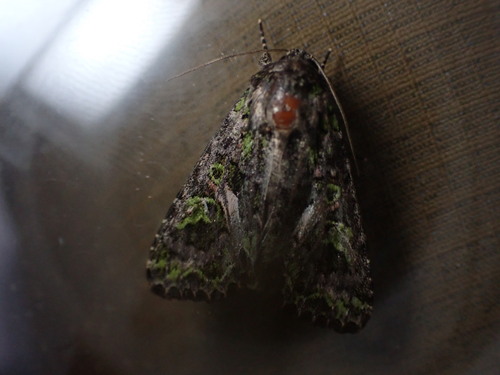
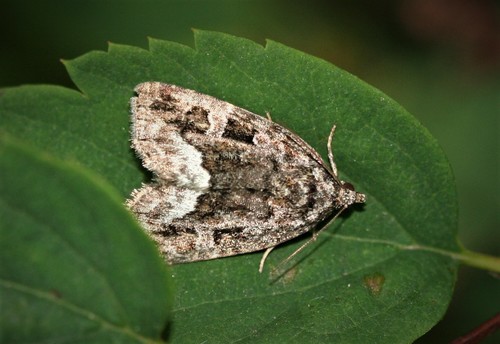
Mamestra brassicae

Daily sighting probability ~10% · With luck
at Bavarian Forest National Park

In 3 days ~20% in a week ~30%

9 Verified sightings at Bavarian Forest National Park From 2019 to 2026
29 In all 2 parks
August Best month
🌅 Crepuscular When it's spotted

About the Cabbage Moth

The cabbage moth (Mamestra brassicae) is primarily known as a pest that is responsible for severe crop damage of a wide variety of plant species. The common name, cabbage moth, is a misnomer as the species feeds on many fruits, vegetables, and crops in the genus Brassica (i.e. cabbage, broccoli, Brussels sprouts). Other notable host plants include tobacco, sunflower, and tomato, making this pest species particularly economically damaging.

The moth spans a wide geographic range encompassing the entire Palearctic region. Due to this wide geographic region and the presence of various populations globally, local adaptations have resulted in a species with high variability in life history and behavior across different populations.

The cabbage moth has a wide geographic distribution across parts of Europe and Asia ranging from about 30°N to 70°N in latitude. This geographic range is within the Palearctic region, which includes parts of Europe, Asia north of the Himalayan Mountains, and Africa north of the Sahara Desert. As many host plants are both endemic or domesticated in various parts of this region, the moth is able to successfully thrive in nearly all parts of... Wikipedia →
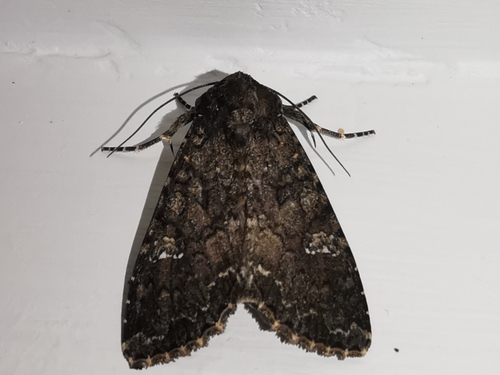

Global Distribution

Parks Where Found

# Park Country Daily sighting probability
1 Bavarian Forest National Park 🇩🇪 Germany
~10%
2 Wadden Sea National Park 🇩🇪 Germany
<5%

Cities Where Found

# City Country Daily sighting probability
1 Liverpool 🇬🇧 United Kingdom
~10%
2 Porto 🇵🇹 Portugal
~10%
3 London 🇬🇧 United Kingdom
~10%
4 Kyiv 🇺🇦 Ukraine
~10%
5 Manchester 🇬🇧 United Kingdom
~10%
6 Birmingham 🇬🇧 United Kingdom
~10%
7 Osaka 🇯🇵 Japan
<5%
8 Minsk 🇧🇾 Belarus
<5%
9 Seoul 🇰🇷 South Korea
<5%
10 Prague 🇨🇿 Czechia
<5%

Before you go

What are the chances of seeing a Cabbage Moth in Bavarian Forest National Park?

With luck

About 10% of wildlife watchers report a Cabbage Moth sighting in Bavarian Forest National Park on a given day, based on 9 verified sightings from GBIF citizen-science data from 2019 to 2026. It is the 585th most-seen of the 1115 insects we can rate there. Over three days the chance rises to about 20%, and over a week to about 30%, if each day is a fresh chance.

When is the best time to see a Cabbage Moth in Bavarian Forest National Park?

May and July–September

In those months about 10% of wildlife watchers report a Cabbage Moth in Bavarian Forest National Park on a given day, against under 5% in June and October–April, the lowest months.

What time of day is best to see a Cabbage Moth?

Between 6 and 9 am

Across all the parks we cover, that three-hour window holds the most Cabbage Moth sightings with a recorded time, and about 7 in 10 of them come between 6 am and 6 pm: it is most active around dawn and dusk.

Is Bavarian Forest National Park the best place to see a Cabbage Moth?

Yes

Of the 2 parks where we can rate Cabbage Moth sightings, Bavarian Forest National Park has the highest daily chance: about 10%. Next come Wadden Sea National Park (Germany, under 5%).

Which relatives of the Cabbage Moth live in Bavarian Forest National Park?

Same family: Noctuidae

The closest relatives of the Cabbage Moth that you can see in Bavarian Forest National Park (family Noctuidae, Cutworm Moths and Allies) are Silver Υ (about 20%), Knot Grass Moth (about 20%) and Large Yellow Underwing (about 10%), with each one's daily chance of a sighting.

Where does the Cabbage Moth sighting chance come from?

GBIF citizen-science records

It is estimated from how often the Cabbage Moth is recorded against all the insects logged in Bavarian Forest National Park (9 verified sightings from 2019 to 2026), calibrated against known sighting rates. Figures are rounded to the nearest 10% because citizen-science data supports honest approximations, not decimals, and months with records from fewer than five people show "—". How it works.

← Back to Bavarian Forest National Park