














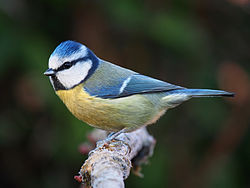


All 5 in 3 days here: ~10%
Wadden Sea National Park
🇩🇪 Germany
Central Europe, Germany 923 spp. recorded
Wadden Sea National Park sits along the northern coast of Germany, protecting a vast coastal region of mudflats, shallow waters, and tidal channels. Unlike traditional terrestrial reserves, this dynamic marine environment constantly transforms as the tides rise and fall twice daily across the flat shores.
53.680° N 6.801° E
🦜 Nature

436 Species sighted
295,604 Verified sightings From 2019 to 2026
Jul Best month
⭐ Iconic Species
📊 Most Spotted
⭐ Iconic Species
📊 Most Spotted
⭐ Iconic Species
📊 Most Spotted
📊 Most Spotted
📊 Most Spotted
📊 Most Spotted
🌙 Most active after dark
+ 592 more species with insufficient data
Challenges you can complete here


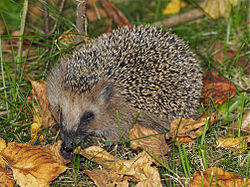

All 3 in 3 days here: <5%


All 7 in 3 days here: <5%
Recent sightings in Wadden Sea National Park
LIVEiNaturalistSighting Calendar
How many species you'd see in a day
32Jan
33Feb
40Mar
56Apr
70May
74Jun
102Jul
86Aug
62Sep
52Oct
40Nov
34Dec
Sighting Zones
Warmer areas are where all species together are recorded most often.
-
Mini-camping De Watergeuzen
-
Kugelbake
-
NABU Naturzentrum (Beobachtungshütten)
-
Katinger Watt · Eider-Sperrwerk
-
Texel · Veerhaven (Ferry harbor and jetty)







🏕️ Experience
Essentials
Climate
Temp °C Rain mm
JanFebMarAprMayJunJulAugSepOctNovDec
0.0 Good
Wallace's Line Score
How good is this park for seeing wildlife? 🦜
Biodiversity
ExcellentHow rich is the wildlife?
4.7
Species by taxon
🦅 Birds 734
🐒 Mammals 137
🦎 Reptiles 30
🐸 Amphibians 22
923 Total Species
828 Global average across 316 parks
68 Threatened 57 Endemic
🔭
Sighting
GoodHow likely to see animals?
2.6
🎯
Top-12 Avg Probability
61% 📊
Coverage (153 species at ≥5% of 923 in the inventory)
17% 🔀
Taxon variety in top 12 (12 bird)
0% 🔭
Species per 10 outings (distinct species a visitor would meet over 10 outings — effort held equal across parks)
123 🌟
Iconic-group species (≥15%) (every species from the 19 iconic groups — monkeys, cats, toucans, macaws, sloths, crocodilians… — not just the 4 highlighted above)
4 ⭐
High-prob species (>40%)
21 🏕️
Experience
Very goodHow easy and pleasant is the visit?
3.8
Climate Harsh Low
Entrance Free High
Tourism High Low
Trails Easy High
World Heritage Yes Bonus
Before you go
What animals can you see in Wadden Sea National Park?
923 species
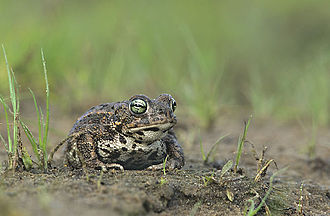
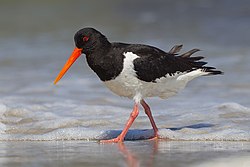
Wadden Sea National Park has 923 recorded vertebrate species. The ones wildlife watchers report most often on a given day are Black-headed Gull (about 70%), European Oystercatcher (about 70%), European Herring Gull (about 70%), Mallard (about 60%) and Greylag Goose (about 60%). Among mammals, the most-seen is Harbor Seal (about 50%); among reptiles, Viviparous Lizard (about 20%); among amphibians, European Toad (about 30%).
When is the best time to visit Wadden Sea National Park for wildlife?
Any time of year
Wildlife is about as easy to see all year: the park's 12 most-seen species average about 60% on a given day in every month with enough records. The driest month is April (about 45 mm of rain) and the wettest November (about 140 mm).
Can you see a European Oystercatcher in Wadden Sea National Park?
Yes
About 70% of wildlife watchers report a European Oystercatcher sighting in Wadden Sea National Park on a given day, based on 8,581 verified sightings from GBIF citizen-science data from 2019 to 2026. The best time is February to July (about 80%).
Can you see a Barnacle Goose in Wadden Sea National Park?
Yes
About 40% of wildlife watchers report a Barnacle Goose sighting in Wadden Sea National Park on a given day, based on 4,368 verified sightings from GBIF citizen-science data from 2019 to 2026. The best time is February and December (about 60%).
Can you see a Harbor Seal in Wadden Sea National Park?
Yes
About 50% of wildlife watchers report a Harbor Seal sighting in Wadden Sea National Park on a given day, based on 823 verified sightings from GBIF citizen-science data from 2019 to 2026. The best time is January and November (about 60%).
Can you see a Lesser Black-backed Gull in Wadden Sea National Park?
Yes
About 40% of wildlife watchers report a Lesser Black-backed Gull sighting in Wadden Sea National Park on a given day, based on 3,546 verified sightings from GBIF citizen-science data from 2019 to 2026. The best time is July (about 60%).
Where in Wadden Sea National Park is wildlife easiest to see?
Around Mini-camping De Watergeuzen
The richest sighting zone is around Mini-camping De Watergeuzen, followed by Kugelbake and NABU Naturzentrum (Beobachtungshütten), ranked by how many of the park's headline animals visitors can expect to see in each. See the zones on the map.
Is Wadden Sea National Park good for wildlife watching?
3.2 out of 5
On the Wallace's Line Score, Wadden Sea National Park rates 3.2/5: 256th of 316 parks worldwide and 10th in Europe. 31 of its species are reported by about 40% or more of wildlife watchers on a given day.


