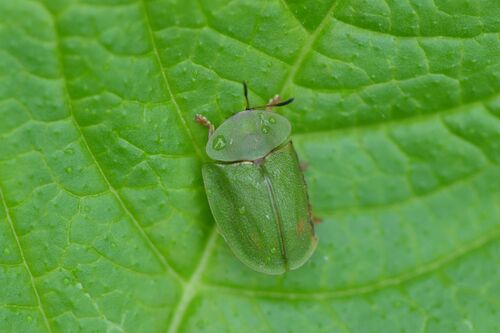
Willow Flea-Beetle

Willow Flea-Beetle

Crepidodera aurata

Daily sighting probability ~10% · With luck
at Bavarian Forest National Park

In 3 days ~20% in a week ~30%

9 Verified sightings at Bavarian Forest National Park From 2019 to 2026
9 In 1 park
May Best month
☀️ Diurnal When it's spotted

About the Willow Flea-Beetle

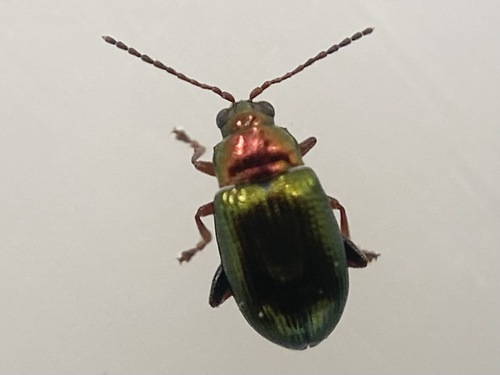
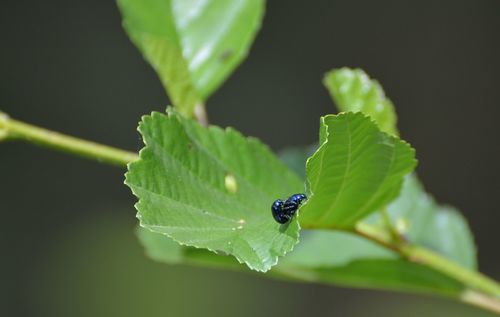
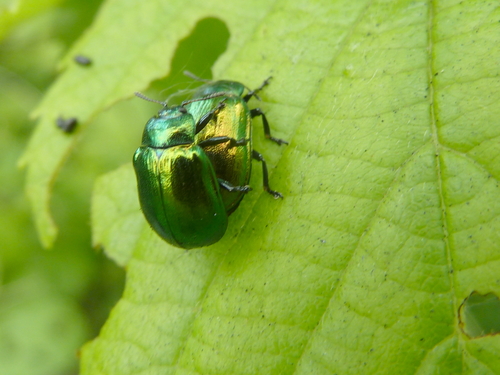
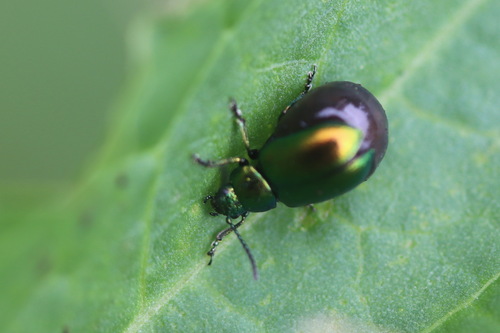
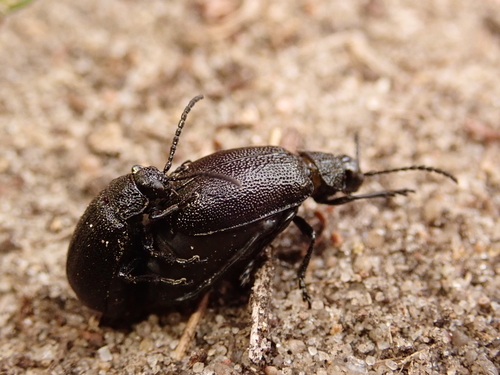
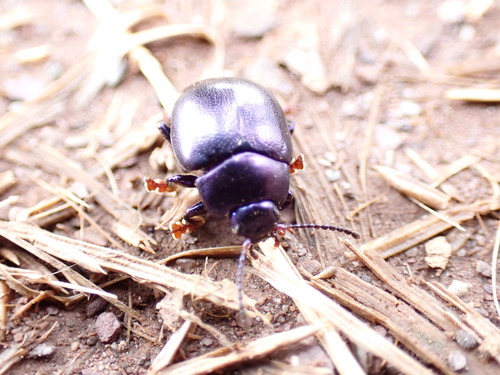
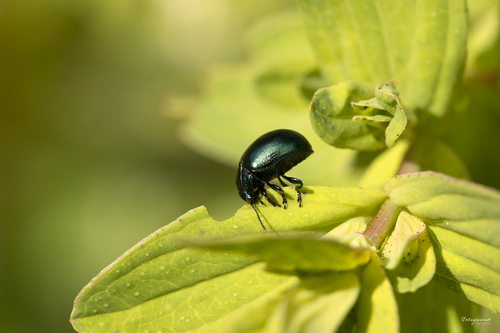
Crepidodera aurata also known as willow flea beetle, is a species of flea beetles from the Chrysomelidae family, described by Marsham in 1802. It can be found in Palearctic realm and to the east of Korea. Can be found in Wales.

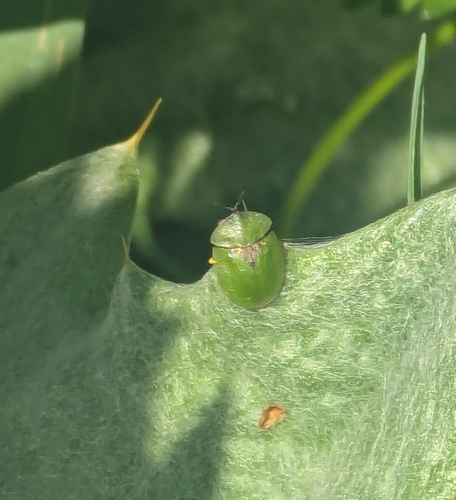
Adult species length is 2.5–2.5 millimetres (0.098–0.098 in), and is oval. Males of the species are black coloured, while females are green. Both have orange legs and antennas. The beetle be found in every place where the willow grows. They hibernate under barks or debris, and can be found under logs and mud. The species live for 8–9 months. They are active during spring, particularly in May, and can be found on the ground where the tree have started throwing its buds. From May to June the species can be visibly seen on poplars and willows, whose leaves they feed on, by the round holes left as a result. Starting from June to August the beetles start mating. The females lay their eggs on the recently fed-on leaves of plants. The eggs' colour is yellow, and are spindle-like. The larva hatches in summer, with the size of 5–6 millimetres (0.20–0.24 in) in length, black coloured, and in resemblance of a slug. The larva feeds... Wikipedia →

Global Distribution

Parks Where Found

# Park Country Daily sighting probability
1 Bavarian Forest National Park 🇩🇪 Germany
~10%

More parks will be added in future updates.

Cities Where Found

# City Country Daily sighting probability
1 Rotterdam [The Hague] 🇳🇱 Netherlands
~10%
2 Helsinki 🇫🇮 Finland
<5%
3 Saint Petersburg 🇷🇺 Russia
<5%
4 Birmingham 🇬🇧 United Kingdom
<5%
5 Brussels 🇧🇪 Belgium
<5%
6 Munich 🇩🇪 Germany
<5%
7 Berlin 🇩🇪 Germany
<5%
8 London 🇬🇧 United Kingdom
<5%
9 Moscow 🇷🇺 Russia
<5%

Before you go

What are the chances of seeing a Willow Flea-Beetle in Bavarian Forest National Park?

With luck

About 10% of wildlife watchers report a Willow Flea-Beetle sighting in Bavarian Forest National Park on a given day, based on 9 verified sightings from GBIF citizen-science data from 2019 to 2026. It is the 585th most-seen of the 1115 insects we can rate there. Over three days the chance rises to about 20%, and over a week to about 30%, if each day is a fresh chance.

When is the best time to see a Willow Flea-Beetle in Bavarian Forest National Park?

April–May and September

In those months about 10% of wildlife watchers report a Willow Flea-Beetle in Bavarian Forest National Park on a given day, against under 5% in June–August and October–March, the lowest months.

What time of day is best to see a Willow Flea-Beetle?

Between 3 and 6 pm

Across all the parks we cover, that three-hour window holds the most Willow Flea-Beetle sightings with a recorded time, and about 9 in 10 of them come between 6 am and 6 pm: it is a daytime animal.

Where else can you see a Willow Flea-Beetle?

Only Bavarian Forest National Park, in our data

Bavarian Forest National Park is the only park on Wallace's Line with enough records to rate Willow Flea-Beetle sightings: about 10% of wildlife watchers there report one on a given day.

Which relatives of the Willow Flea-Beetle live in Bavarian Forest National Park?

Same family: Chrysomelidae

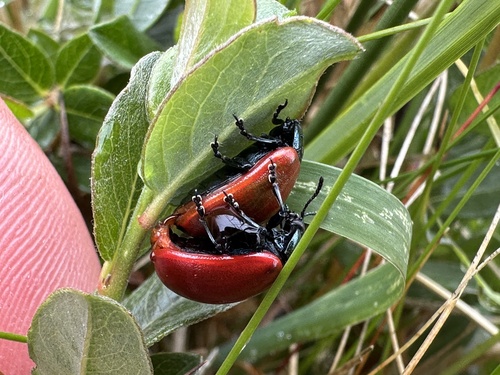
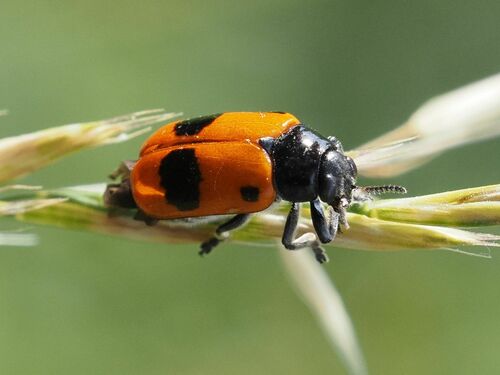
The closest relatives of the Willow Flea-Beetle that you can see in Bavarian Forest National Park (family Chrysomelidae, Leaf Beetles) are Poplar Leaf Beetle (about 10%), Colorado Potato Beetle (about 10%) and Willow Clytra (about 10%), with each one's daily chance of a sighting.

Where does the Willow Flea-Beetle sighting chance come from?

GBIF citizen-science records

It is estimated from how often the Willow Flea-Beetle is recorded against all the insects logged in Bavarian Forest National Park (9 verified sightings from 2019 to 2026), calibrated against known sighting rates. Figures are rounded to the nearest 10% because citizen-science data supports honest approximations, not decimals, and months with records from fewer than five people show "—". How it works.

← Back to Bavarian Forest National Park