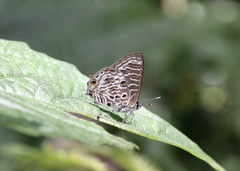
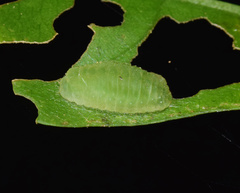
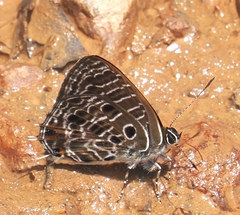
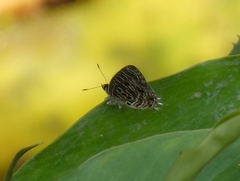
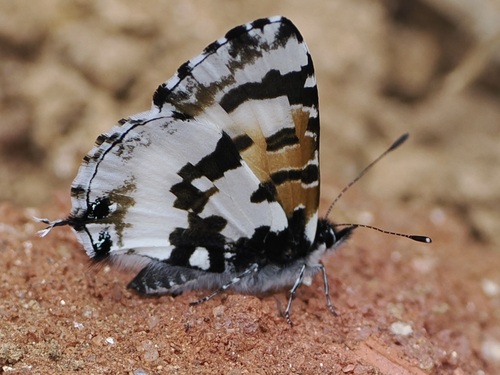
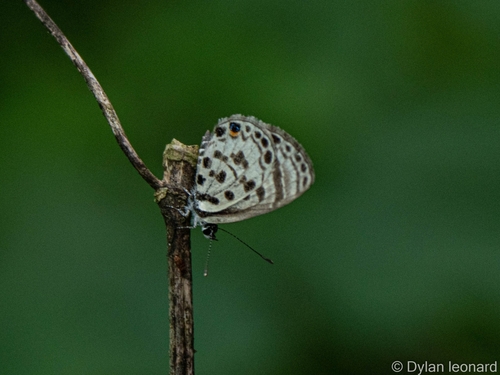
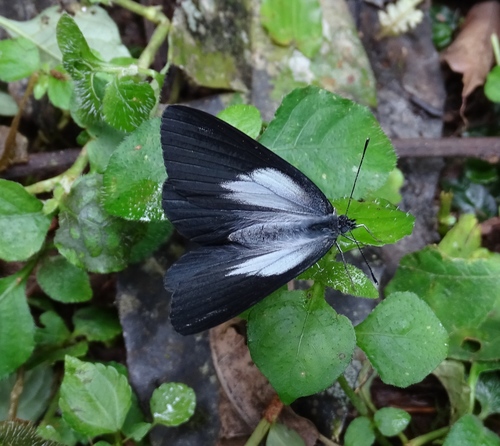
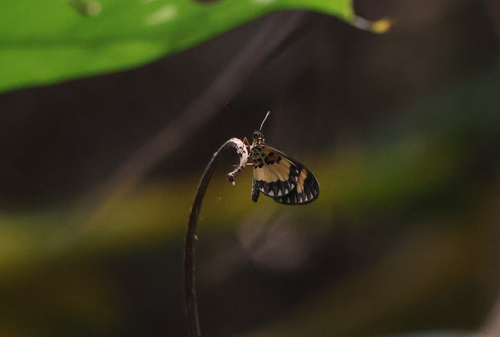
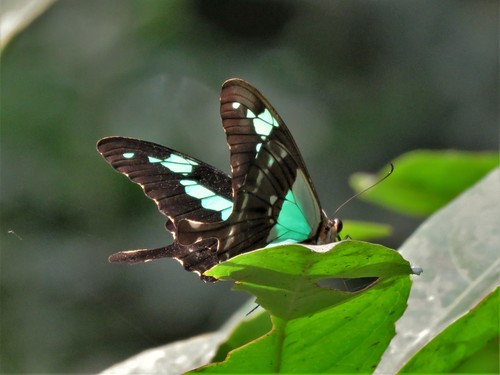
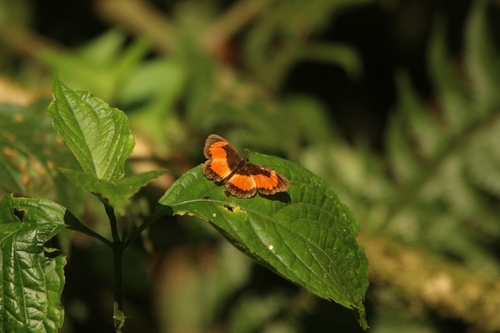
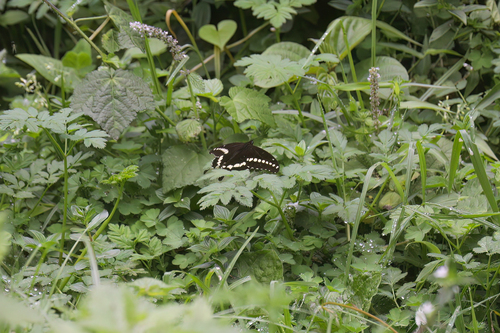
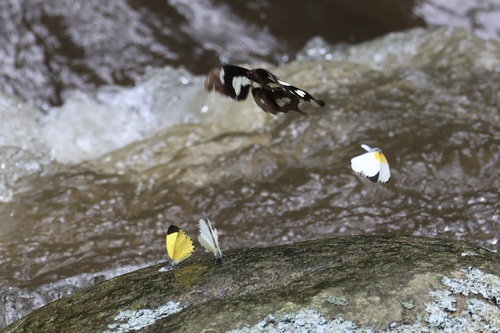
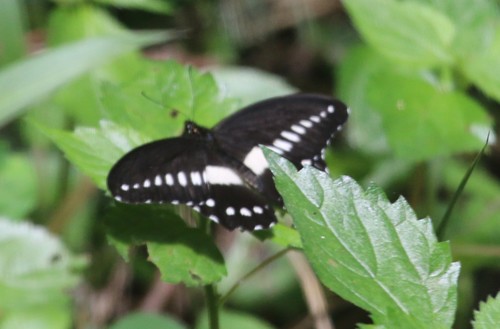
Forest Hairtail

Forest Hairtail

Anthene larydas

Daily sighting probability ~20% · Possible
at Bwindi Impenetrable National Park

In 3 days ~50% in a week ~80%

26 Verified sightings at Bwindi Impenetrable National Park From 2019 to 2026
98 In all 2 parks
May Best month
☀️ Diurnal When it's spotted

About the Forest Hairtail

Anthene larydas, the spotted hairtail or common ciliate blue, is a butterfly in the family Lycaenidae. It is found in Senegal, the Gambia, Guinea-Bissau, Guinea, Burkina Faso, Liberia, Sierra Leone, Ivory Coast, Ghana, Nigeria, Cameroon, the Republic of the Congo, the Central African Republic, the Democratic Republic of the Congo, Uganda, western Kenya to South Africa and Mozambique.

The larvae feed on Acacia farnesiana, Afzelia species, Albizia gummifera, Albizia zygia, Dichrostachys glomerata and Hypericum species. They are associated with the ant species Pheidole aurivillii race kasaiensis, Camponotus akwapimensis var. poultoni and Crematogaster striatula var. horati. Wikipedia →

Global Distribution

Parks Where Found

# Park Country Daily sighting probability
1 Bwindi Impenetrable National Park 🇺🇬 Uganda
~20%
2 iSimangaliso Wetland Park 🇿🇦 South Africa
~20%

Cities Where Found

# City Country Daily sighting probability
1 Durban 🇿🇦 South Africa
~10%

Before you go

What are the chances of seeing a Forest Hairtail in Bwindi Impenetrable National Park?

Possible

About 20% of wildlife watchers report a Forest Hairtail sighting in Bwindi Impenetrable National Park on a given day, based on 26 verified sightings from GBIF citizen-science data from 2019 to 2026. It is the 10th most-seen of the 38 insects we can rate there. Over three days the chance rises to about 50%, and over a week to about 80%, if each day is a fresh chance.

When is the best time to see a Forest Hairtail in Bwindi Impenetrable National Park?

March and May

In those months about 40% of wildlife watchers report a Forest Hairtail in Bwindi Impenetrable National Park on a given day, against under 5% in April, June and September–February, the lowest months.

What time of day is best to see a Forest Hairtail?

Between 11 am and 2 pm

Across all the parks we cover, that three-hour window holds the most Forest Hairtail sightings with a recorded time, and nearly all of them come between 6 am and 6 pm: it is a daytime animal.

Is Bwindi Impenetrable National Park the best place to see a Forest Hairtail?

Yes

Of the 2 parks where we can rate Forest Hairtail sightings, Bwindi Impenetrable National Park has the highest daily chance: about 20%. Next come iSimangaliso Wetland Park (South Africa, about 20%).

Which relatives of the Forest Hairtail live in Bwindi Impenetrable National Park?

Same family: Lycaenidae

The closest relatives of the Forest Hairtail that you can see in Bwindi Impenetrable National Park (family Lycaenidae, Gossamer-winged Butterflies) are Castalius margaritaceus (about 20%), Uranothauma falkensteini (about 20%) and Pale Babul Blue (about 10%), with each one's daily chance of a sighting.

Where does the Forest Hairtail sighting chance come from?

GBIF citizen-science records

It is estimated from how often the Forest Hairtail is recorded against all the insects logged in Bwindi Impenetrable National Park (26 verified sightings from 2019 to 2026), calibrated against known sighting rates. Figures are rounded to the nearest 10% because citizen-science data supports honest approximations, not decimals, and months with records from fewer than five people show "—". How it works.

← Back to Bwindi Impenetrable National Park