



Completed




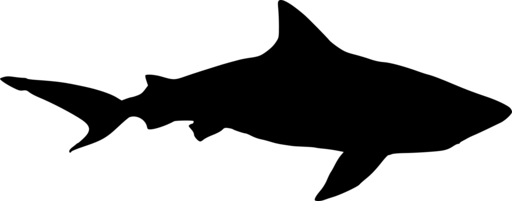
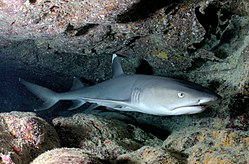
Bull Shark
Carcharhinus leucas
Silhouette: PhyloPic
- KingdomAnimalia (Animals)
- PhylumChordata (Chordates)
- ClassElasmobranchii
- OrderCarcharhiniformes (Ground Sharks)
- FamilyCarcharhinidae (Requiem Sharks)
- GenusCarcharhinus (Typical Requiem Sharks)
- SpeciesCarcharhinus leucas (Bull Shark)
In 3 days >90%
119 Verified sightings at Cabo Pulmo National Park From 2019 to 2026
157 In all 2 parks
November Best month
☀️ Diurnal When it's spotted
About the Bull Shark
The bull shark (Carcharhinus leucas), also known as the Zambezi shark (informally zambi) in Africa and Lake Nicaragua shark in Nicaragua, is a species of requiem shark commonly found worldwide in warm, shallow waters along coasts and in rivers. It is known for its aggressive nature, and presence mainly in warm, shallow brackish and freshwater systems including estuaries and (usually) lower reaches of rivers. Their aggressive nature has led to ongoing shark-culling efforts near beaches to protect beachgoers, which is one of the causes of bull shark populations continuing to decrease. Bull sharks are listed as vulnerable on the IUCN Red List.
Bull sharks are euryhaline and can thrive in both salt and fresh water. They are known to travel far up rivers, and have been known to travel up the Mississippi River as far as Alton, Illinois, about 1,100 kilometres (700 mi) from the ocean, but few freshwater interactions with humans have been recorded. Larger-sized bull sharks are responsible for a large part of nearshore shark attacks, and may be responsible for many attacks involving unidentified species.
Unlike the river sharks of the genus Glyphis, bull sharks are not true freshwater sharks, despite their ability to survive in freshwater habitats. This shark appears in the image of the 2000 colones banknote from Costa Rica. Wikipedia →
Recent sightings of Bull Shark in Cabo Pulmo National Park
LIVEiNaturalistGlobal Distribution
Parks Where Found
| # | Park | Country | Daily sighting probability |
|---|---|---|---|
| 1 | Cabo Pulmo National Park | 🇲🇽 Mexico | |
| 2 | Arrecifes de Cozumel National Park | 🇲🇽 Mexico |
Zoos & Centres Where Found
| # | Zoo / Centre | Country | |
|---|---|---|---|
| 1 | Garden Route Safari Camp | 🇿🇦 South Africa | |
| 2 | Sea World | 🇦🇺 Australia | |
| 3 | Sydney Zoo | 🇦🇺 Australia | |
| 4 | Penang Bird Park | 🇲🇾 Malaysia | |
| 5 | Oklahoma Aquarium | 🇺🇸 United States | |
| 6 | Poema del Mar Aquarium | 🇪🇸 Spain | |
| 7 | Berkshire College of Agriculture | 🇬🇧 United Kingdom | |
| 8 | Parassinikkadavu Snake Park | 🇮🇳 India | |
| 9 | The National Aquarium Abu Dhabi | 🇦🇪 United Arab Emirates |
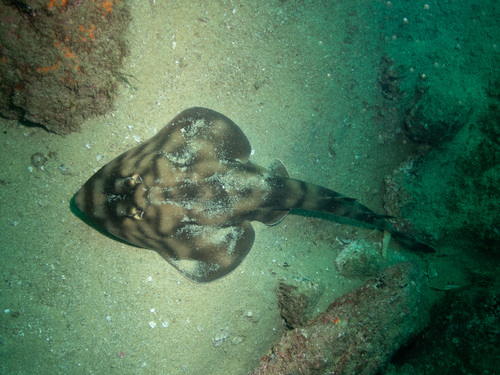
Closest Relatives at Cabo Pulmo National Park




Before you go
What are the chances of seeing a Bull Shark in Cabo Pulmo National Park?
Very likely
About 80% of wildlife watchers report a Bull Shark sighting in Cabo Pulmo National Park on a given day, based on 119 verified sightings from GBIF citizen-science data from 2019 to 2026. It is the most-seen of the 5 sharks and rays we can rate there. Over three days the chance rises to over 90%, if each day is a fresh chance.
When is the best time to see a Bull Shark in Cabo Pulmo National Park?
April–June, August and October–January
In those months about 90% of wildlife watchers report a Bull Shark in Cabo Pulmo National Park on a given day, against about 80% in February–March and September, the lowest months. July has too few records to rate.
What time of day is best to see a Bull Shark?
Between 9 am and noon
Across all the parks we cover, that three-hour window holds the most Bull Shark sightings with a recorded time, and about 9 in 10 of them come between 6 am and 6 pm: it is a daytime animal.
Is Cabo Pulmo National Park the best place to see a Bull Shark?
Yes
Of the 2 parks where we can rate Bull Shark sightings, Cabo Pulmo National Park has the highest daily chance: about 80%. Next come Arrecifes de Cozumel National Park (Mexico, about 40%).
Where does the Bull Shark sighting chance come from?
GBIF citizen-science records
It is estimated from how often the Bull Shark is recorded against all the sharks and rays logged in Cabo Pulmo National Park (119 verified sightings from 2019 to 2026), calibrated against known sighting rates. Figures are rounded to the nearest 10% because citizen-science data supports honest approximations, not decimals, and months with records from fewer than five people show "—". How it works.
