Broom-Tip

Broom-Tip

Chesias rufata

Daily sighting probability ~10% · With luck
at Cairngorms National Park

In 3 days ~20% in a week ~40%

7 Verified sightings at Cairngorms National Park From 2019 to 2026
7 In 1 park
May Best month
☀️ Diurnal When it's spotted

About the Broom-Tip

Chesias rufata, the broom-tip, is a moth of the family Geometridae. It was described by Johan Christian Fabricius in 1775. It has a wide range in central and western Europe, including Great Britain and Ireland. It is also found from Morocco to Asia Minor.The species prefers heaths, bushy slopes and rocky valleys which favour its foodplants. It is found up to 1,500m in the Alps.

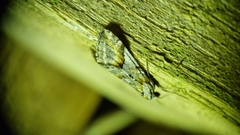
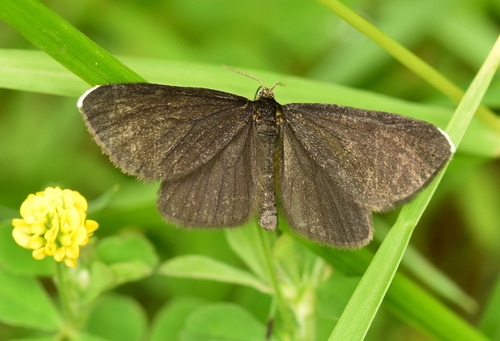
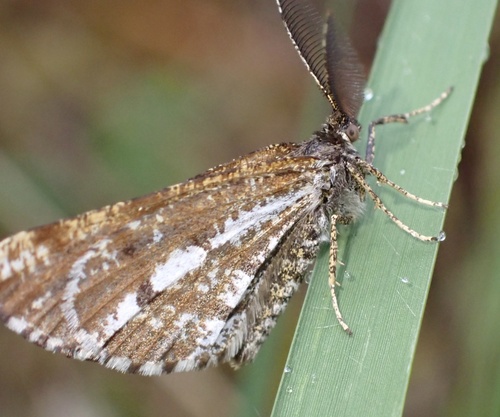
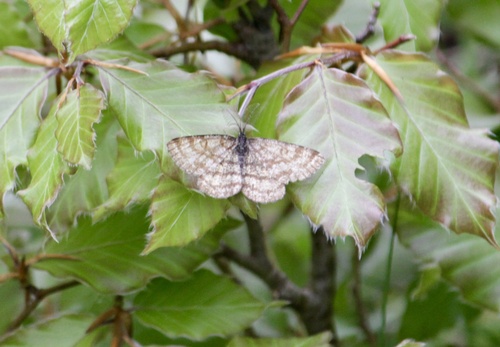
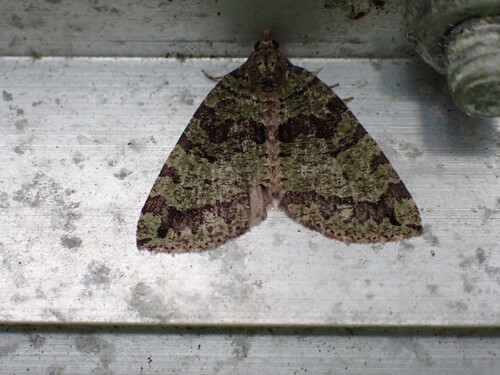
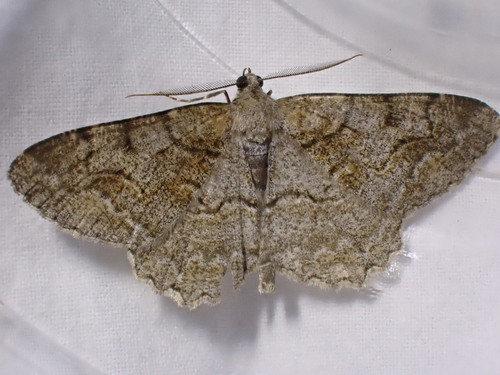
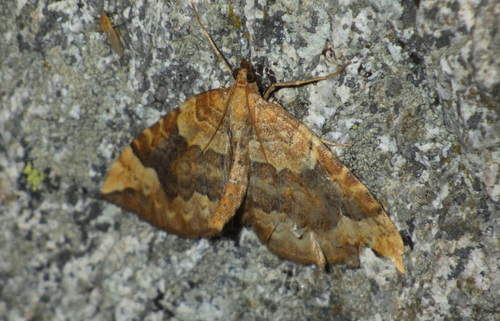
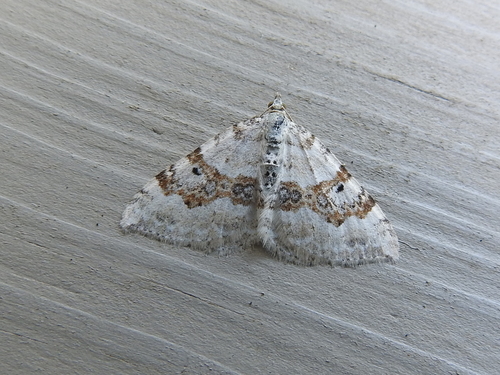
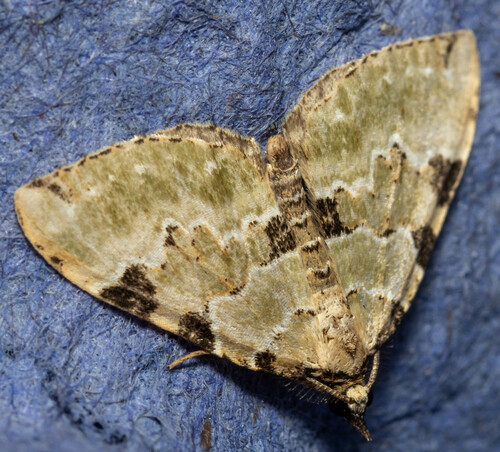
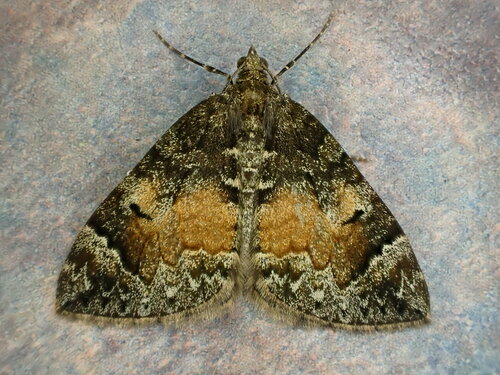
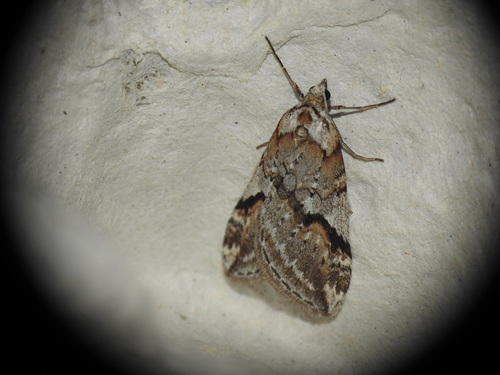
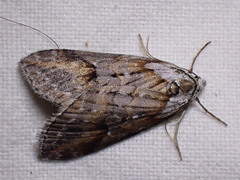
The wingspan is 26–32 millimetres (1.0–1.3 in). The approximately oval-shaped wings are typical. The basal area of the forewing is silver. There is a very distinct reddish-brown cross band. Some specimens show a grey basal area and very wide reddish-brown areas on either side of the midfield. Others show a black mark on the upper part of the second cross line of the forewings following the mark is a reddish or ochreous flush, extending to the tips of the wings. A dark dividing line is located at the apex. A wavy whitish stands near the margin. The hindwings are unpatterned ochre grey in colour.

Prout describes the most frequent varieties. The egg is rather small, oval, slightly broadened and deepened at the micropylar end; the surface faintly pitted. The colour is delicate orange, approaching salmon-colour. The larva is closely similar to that of legatella but the subdorsal line is edged with

darker green and the spiracles are black. The larvae feed on Cytisus scoparius, Genista tinctoria and Genista germanica. The larvae feed at night and are then rather conspicuous, as they have a habit of stretching out from the plant at full length. They may be found from June to September. Adults are on wing from April to May. Normally, there is one generation per year. However, a second generation may occur with adults on wing from June to August and the moth is very erratic in its time of emerging which — at least in some seasons and in some localities. Adults have been recorded feeding on nectar from the flowers of Salix and Berberis species. Wikipedia →
Global Distribution

Parks Where Found

# Park Country Daily sighting probability
1 Cairngorms National Park 🇬🇧 United Kingdom
~10%

More parks will be added in future updates.

Before you go

What are the chances of seeing a Broom-Tip in Cairngorms National Park?

With luck

About 10% of wildlife watchers report a Broom-Tip sighting in Cairngorms National Park on a given day, based on 7 verified sightings from GBIF citizen-science data from 2019 to 2026. It is the 219th most-seen of the 300 insects we can rate there. Over three days the chance rises to about 20%, and over a week to about 40%, if each day is a fresh chance.

When is the best time to see a Broom-Tip in Cairngorms National Park?

April to June

In those months about 10% of wildlife watchers report a Broom-Tip in Cairngorms National Park on a given day, against under 5% in July to March, the lowest months.

What time of day is best to see a Broom-Tip?

Between 6 and 9 am

Across all the parks we cover, that three-hour window holds the most Broom-Tip sightings with a recorded time, and nearly all of them come between 6 am and 6 pm: it is a daytime animal.

Where else can you see a Broom-Tip?

Only Cairngorms National Park, in our data

Cairngorms National Park is the only park on Wallace's Line with enough records to rate Broom-Tip sightings: about 10% of wildlife watchers there report one on a given day.

Which relatives of the Broom-Tip live in Cairngorms National Park?

Same family: Geometridae

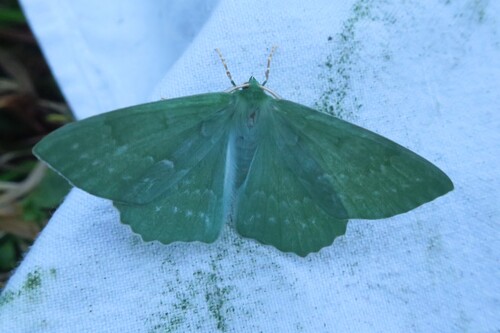
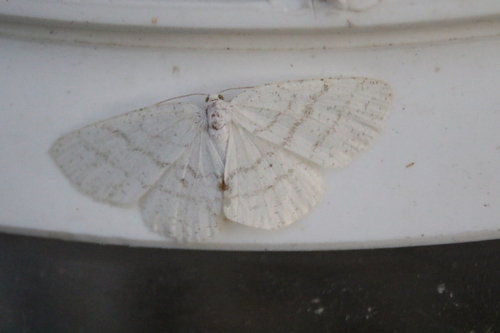
The closest relatives of the Broom-Tip that you can see in Cairngorms National Park (family Geometridae, Geometer Moths) are Chimney-Sweeper (about 20%), Bordered White (about 20%) and Common Heath (about 20%), with each one's daily chance of a sighting.

Where does the Broom-Tip sighting chance come from?

GBIF citizen-science records

It is estimated from how often the Broom-Tip is recorded against all the insects logged in Cairngorms National Park (7 verified sightings from 2019 to 2026), calibrated against known sighting rates. Figures are rounded to the nearest 10% because citizen-science data supports honest approximations, not decimals, and months with records from fewer than five people show "—". How it works.

← Back to Cairngorms National Park