Heather Beetle

Heather Beetle

Lochmaea suturalis

Daily sighting probability ~10% · With luck
at Cairngorms National Park

In 3 days ~20% in a week ~40%

8 Verified sightings at Cairngorms National Park From 2019 to 2026
8 In 1 park
April Best month
☀️ Diurnal When it's spotted

About the Heather Beetle

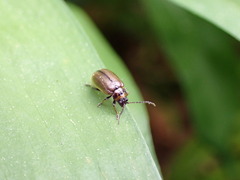
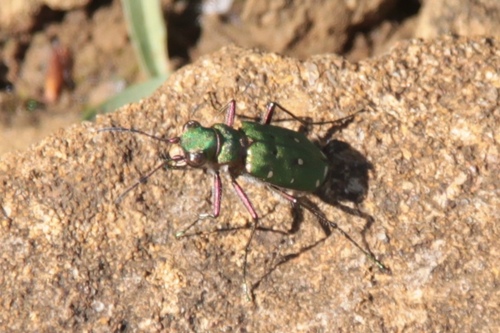
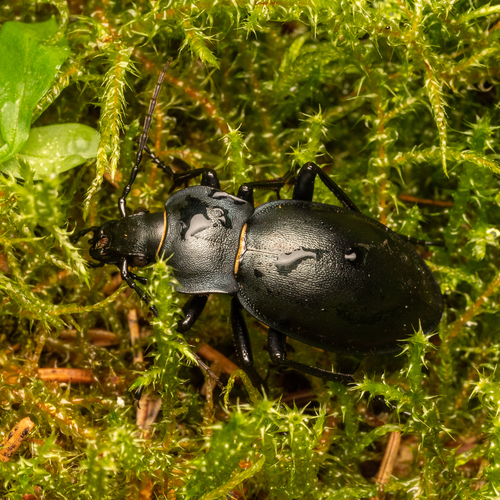
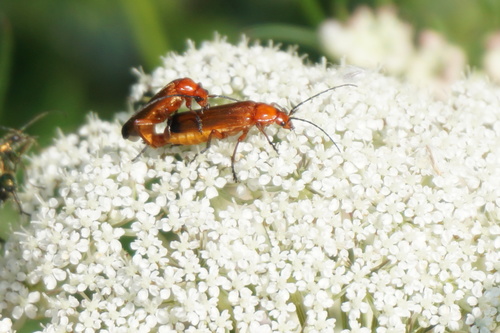
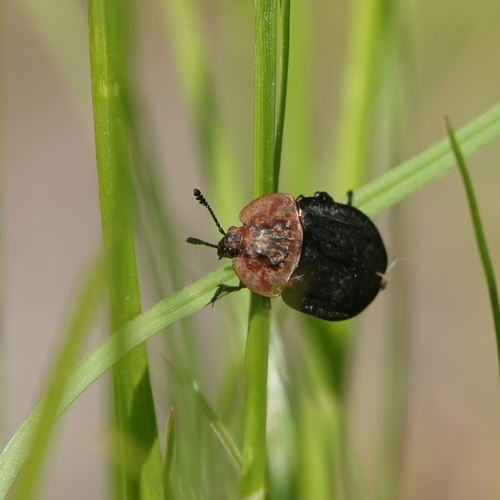
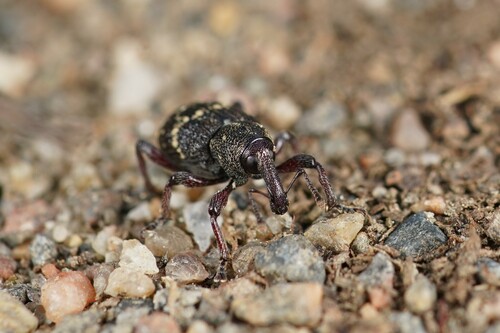
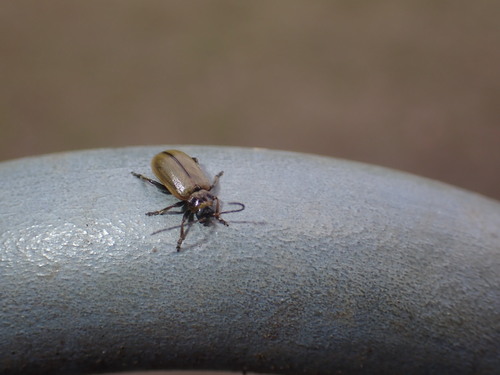
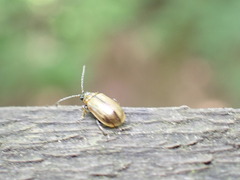
Lochmaea suturalis, commonly referred to as the heather beetle, is a beetle of the genus Lochmaea native to north-west Europe. It feeds upon heather. They are difficult to spot as they are camouflaged with a brownish colour, and are about 6 millimetres (0.24 in) long. They have a tendency to hide, and they drop into the undergrowth if they are disturbed. They are easier to see when in large numbers on the same plant.

The adult beetle spends the winter in dormant diapause in moss or litter in the undergrowth of the heather plants, and they do this until the spring weather brings a rise in temperature, which stimulates them to emerge, feed, and reproduce. They are able to fly up to a range of several miles after spring emergence. They will generally do this after fire, when the surrounding heather is of poor quality, or if the heather has been browsed enough that it turns into grassland. They do however, have a level of resilience and are able to survive for some time in grassland such as Deschampsia flexuosa. Wikipedia →
Global Distribution

Parks Where Found

# Park Country Daily sighting probability
1 Cairngorms National Park 🇬🇧 United Kingdom
~10%

More parks will be added in future updates.

Cities Where Found

# City Country Daily sighting probability
1 Leeds 🇬🇧 United Kingdom
~10%
2 Manchester 🇬🇧 United Kingdom
<5%

Before you go

What are the chances of seeing a Heather Beetle in Cairngorms National Park?

With luck

About 10% of wildlife watchers report a Heather Beetle sighting in Cairngorms National Park on a given day, based on 8 verified sightings from GBIF citizen-science data from 2019 to 2026. It is the 189th most-seen of the 300 insects we can rate there. Over three days the chance rises to about 20%, and over a week to about 40%, if each day is a fresh chance.

When is the best time to see a Heather Beetle in Cairngorms National Park?

April

In that month about 20% of wildlife watchers report a Heather Beetle in Cairngorms National Park on a given day, against under 5% in June–September and November–March, the lowest months.

What time of day is best to see a Heather Beetle?

Between 11 am and 2 pm

Across all the parks we cover, that three-hour window holds the most Heather Beetle sightings with a recorded time, and nearly all of them come between 6 am and 6 pm: it is a daytime animal.

Where else can you see a Heather Beetle?

Only Cairngorms National Park, in our data

Cairngorms National Park is the only park on Wallace's Line with enough records to rate Heather Beetle sightings: about 10% of wildlife watchers there report one on a given day.

Where does the Heather Beetle sighting chance come from?

GBIF citizen-science records

It is estimated from how often the Heather Beetle is recorded against all the insects logged in Cairngorms National Park (8 verified sightings from 2019 to 2026), calibrated against known sighting rates. Figures are rounded to the nearest 10% because citizen-science data supports honest approximations, not decimals, and months with records from fewer than five people show "—". How it works.

← Back to Cairngorms National Park