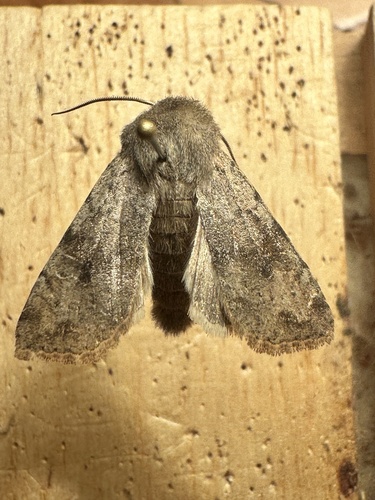
The Miller

The Miller

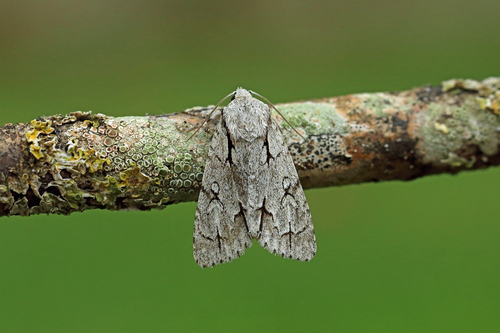
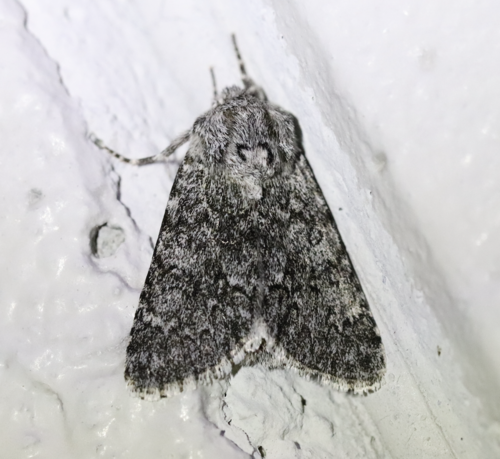
Acronicta leporina

Daily sighting probability ~10% · With luck
at Cairngorms National Park

In 3 days ~20% in a week ~30%

5 Verified sightings at Cairngorms National Park From 2019 to 2026
55 In all 3 parks
October Best month
☀️🌙 Day & Night When it's spotted

About the The Miller

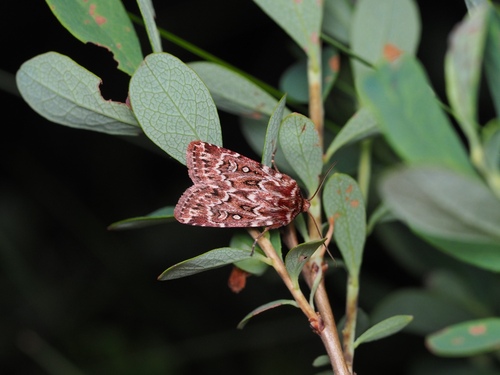
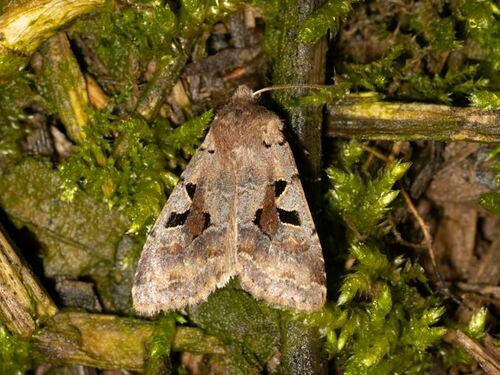
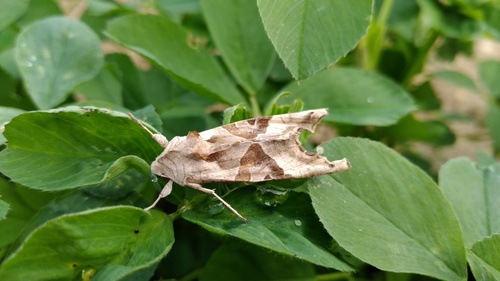
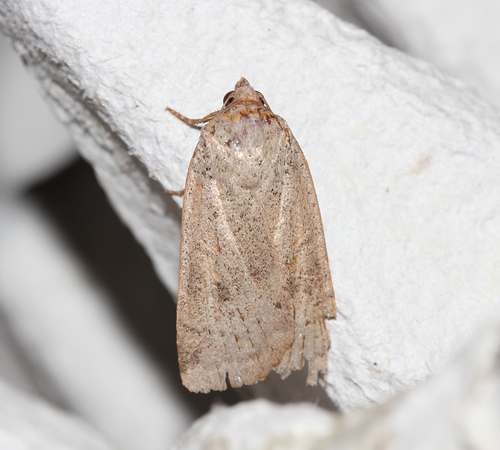
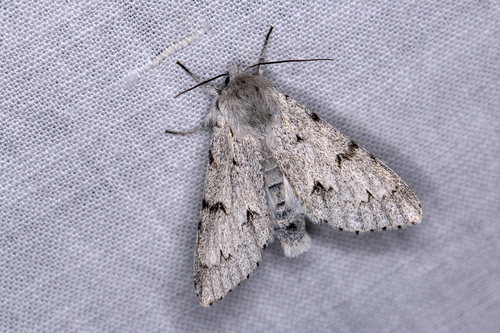
The miller (Acronicta leporina) is a moth of the family Noctuidae. It is found throughout Europe apart from the far south-east. The range extends from the South of Spain, Central Italy and Bulgaria to Scotland and Central Scandinavia, crossing the Arctic Circle in Finland and Norway. Outside Europe it is only known in North Africa. In the Eastern Palearctic and the Nearctic realm it is replaced by Acronicta vulpina, (Grote, 1883) formerly known as Acronicta leporina subspecies vulpina.

This is a variable but always distinctive species, the forewings ranging from almost white to dark grey (pale grey being the most common colour form) with characteristic crescent-shaped black markings. The hindwings are white. The wingspan is 1.5-1.69 in (38–43 mm). Adults of this species fly at night from June to August [1] and will come to light and sugar but are not especially strongly attracted.

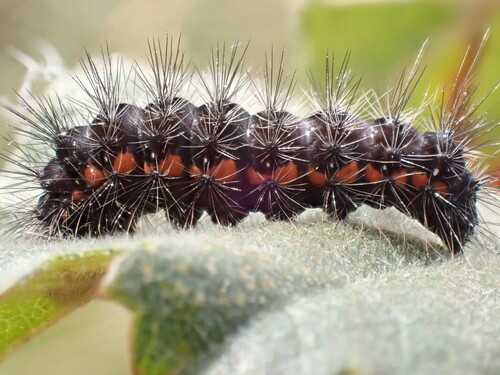
Forewing white, the lines indicated by black spots. Larva pale green, or yellowish, with long silky white hairs, which are also sometimes yellowish, curling over the sides; — ab. bradyporina Tr. (3a), occurring in N. Europe and the commoner form... Wikipedia →
Global Distribution

Parks Where Found

# Park Country Daily sighting probability
1 Wadden Sea National Park 🇩🇪 Germany
~10%
2 Bavarian Forest National Park 🇩🇪 Germany
~10%
3 Cairngorms National Park 🇬🇧 United Kingdom
~10%

Cities Where Found

# City Country Daily sighting probability
1 Liverpool 🇬🇧 United Kingdom
~10%
2 Birmingham 🇬🇧 United Kingdom
~10%
3 Manchester 🇬🇧 United Kingdom
~10%
4 Helsinki 🇫🇮 Finland
<5%
5 Kyiv 🇺🇦 Ukraine
<5%
6 Essen 🇩🇪 Germany
<5%
7 London 🇬🇧 United Kingdom
<5%
8 Moscow 🇷🇺 Russia
<5%

Before you go

What are the chances of seeing a The Miller in Cairngorms National Park?

With luck

About 10% of wildlife watchers report a The Miller sighting in Cairngorms National Park on a given day, based on 5 verified sightings from GBIF citizen-science data from 2019 to 2026. It is the 260th most-seen of the 300 insects we can rate there. Over three days the chance rises to about 20%, and over a week to about 30%, if each day is a fresh chance.

When is the best time to see a The Miller in Cairngorms National Park?

June and August–October

In those months about 10% of wildlife watchers report a The Miller in Cairngorms National Park on a given day, against under 5% in July and November–May, the lowest months.

What time of day is best to see a The Miller?

Between 11 pm and 2 am

Across all the parks we cover, that three-hour window holds the most The Miller sightings with a recorded time, and about 7 in 10 of them come between 6 pm and 6 am: it is seen both by day and at night.

Is Cairngorms National Park the best place to see a The Miller?

Among the best

Of the 3 parks where we can rate The Miller sightings, Cairngorms National Park ranks 3rd at about 10%, level with the leaders once rounded. The best odds are in Wadden Sea National Park (Germany, about 10%) and Bavarian Forest National Park (Germany, about 10%).

Which relatives of the The Miller live in Cairngorms National Park?

Same genus: Acronicta

The closest relatives of the The Miller that you can see in Cairngorms National Park (genus Acronicta, Dagger Moths) are Knot Grass Moth (about 10%), Grey Dagger (about 10%) and Sweet Gale Moth (about 10%), with each one's daily chance of a sighting.

Where does the The Miller sighting chance come from?

GBIF citizen-science records

It is estimated from how often the The Miller is recorded against all the insects logged in Cairngorms National Park (5 verified sightings from 2019 to 2026), calibrated against known sighting rates. Figures are rounded to the nearest 10% because citizen-science data supports honest approximations, not decimals, and months with records from fewer than five people show "—". How it works.

← Back to Cairngorms National Park