Aquarium
Bangkok Aquarium
🇹🇭 Thailand
🐠 Aquarium, Thailand 94 spp. present
The Bangkok Aquarium (Thai: สถานแสดงพันธุ์สัตว์น้ำจืดกรุงเทพมหานคร or สถานแสดงพันธุ์สัตว์น้ำกรุงเทพฯ), founded in 1940, is the oldest aquarium in Thailand. Located at the Kasetsart University main campus in Bangkok, the aquarium is home to about 560 species of freshwater fish native to Thailand as well as about 100 species of aquarium plants. The showcase species include Chao Phraya giant catfish, Siamese giant carp, and Siamese tigerfish. The aquarium is owned and operated by the Thailand Department of Fisheries. Wikipedia (CC BY-SA)
13.843° N 100.576° E
🎟️ Visit

Essentials
Entrance
—
Tourism
High
Species present
94
speciesOpened
1940
Size
—
Visit
What visitors say
🐠 Animals in captivity


EN
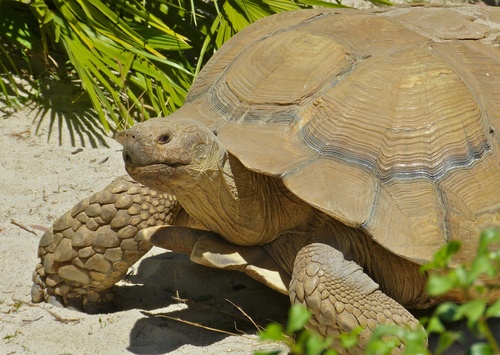
 African Spurred Tortoise
Centrochelys sulcata

EN
 Sun Parakeet
Aratinga solstitialis


EN
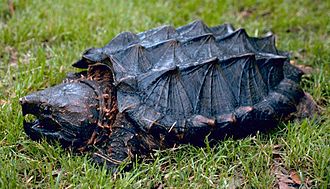
 Swamp Chomper
Macrochelys temminckii


Before you go
Where is Bangkok Aquarium?
Bangkok, Thailand
Bangkok Aquarium is an aquarium in Bangkok, Thailand. Its coordinates are 13.843° N, 100.576° E. The nearest national park in our atlas is Khao Yai National Park, about 114 km away.
What animals can you see at Bangkok Aquarium?
94 species
Citizen-science photos record 94 species at Bangkok Aquarium, including Oriental Pied Hornbill, Eurasian Tree Sparrow, African Spurred Tortoise, Sun Parakeet and Red-whiskered Bulbul. Those with a page of their own in our atlas show the odds of seeing them in the wild.
Where can you see the animals of Bangkok Aquarium in the wild?
Oriental Pied Hornbill: Kinabatangan Wildlife Sanctuary
Some of the animals photographed at Bangkok Aquarium also live in the parks and cities we cover: Oriental Pied Hornbill (about 90% of wildlife watchers report it on a given day in Kinabatangan Wildlife Sanctuary), Eurasian Tree Sparrow (about 70% of wildlife watchers report it on a given day in Gauja National Park) and Red-whiskered Bulbul (about 80% of wildlife watchers report it on a given day in Eravikulam National Park).
When did Bangkok Aquarium open?
Opened 1940
Bangkok Aquarium, an aquarium in Bangkok, Thailand, opened in 1940, according to Wikidata and OpenStreetMap. Today 94 species are photographed there.
Nearest Zoos & Centres


Nearest Parks


Nearest Cities


Sources: Wikidata (CC0) · iNaturalist observers · Wikipedia (CC BY-SA)