





















All 3 in 3 days here: ~10%
Doi Inthanon National Park
🇹🇭 Thailand
Southeast Asia, Thailand 1262 spp. recorded
Doi Inthanon National Park is a protected upland tropical rainforest rising high above northern Thailand. This rugged landscape features steep forested slopes, dense mist-shrouded canopies, and cool high-altitude streams that separate its rich ecosystem from the surrounding lowlands.
18.475° N 98.569° E
🦜 Nature

535 Species sighted
120,738 Verified sightings From 2019 to 2026
Jun Best month
⭐ Iconic Species
📊 Most Spotted
⭐ Iconic Species
📊 Most Spotted
⭐ Iconic Species
📊 Most Spotted
📊 Most Spotted
⭐ Iconic Species
📊 Most Spotted
📊 Most Spotted
⭐ Iconic Species
🌙 Most active after dark
+ 850 more species with insufficient data
Challenges you can complete here
Recent sightings in Doi Inthanon National Park
LIVEiNaturalistSounds of Doi Inthanon National Park
Morning soundscape4:25
Thailand · 2021
© Ding Li Yong · XC700430 · CC BY-NC-ND 4.0
Sighting Calendar
How many species you'd see in a day
57Jan
65Feb
64Mar
61Apr
66May
67Jun
50Jul
46Aug
46Sep
56Oct
50Nov
59Dec
Sighting Zones
Warmer areas are where all species together are recorded most often.
-
Summit (Ang Ka)
Daily sight. prob.vs avg Green-tailed Sunbird~70%+20%
 Black-backed Sibia~70%+10%
 Pallas's Squirrel~70%+50%
 Chestnut-tailed Minla~70%+20%
 Silver-eared Laughingthrush~60%+10%
 Rufous-winged Fulvetta~50%+10%
 Blue Whistling-Thrush~50%-10%
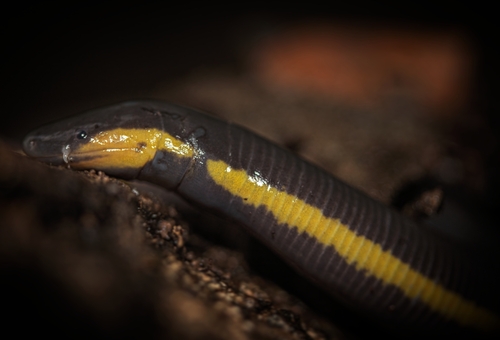
 Chiang Mai Crocodile Newt~50%+10%
 White-eyed Litter Frog~50%+20%
 Yellow-bellied Fairy-Fantail~40%≈
 Mrs Gould's Sunbird~40%≈
 Karin Bubble-nest Frog~40%+20%
-
Mae Ouam (Km 34.5)
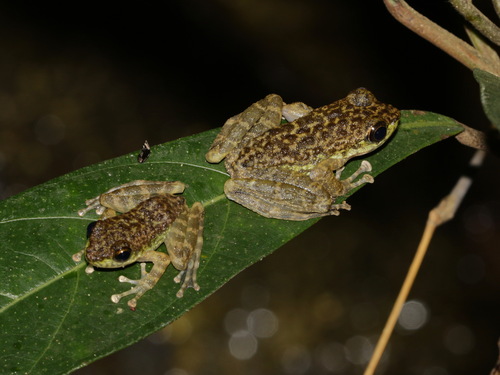
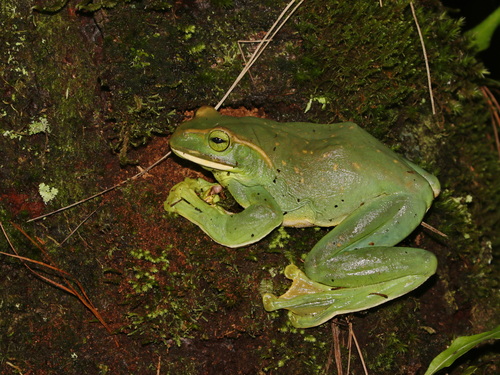
Daily sight. prob.vs avg Fea's Flying Tree Frog~70%+40%
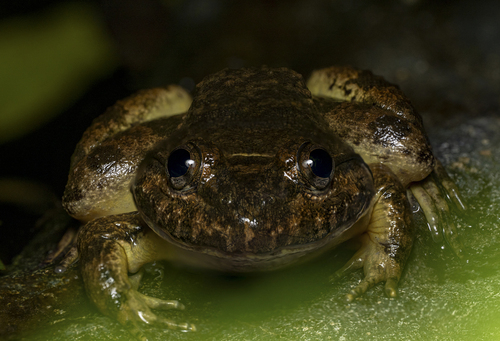
 Doi Inthanon Rock Frog~60%+30%
- Chiang Mai Crocodile Newt~50%+10%
 Golden-throated Barbet~50%≈
 Davison's Leaf-Warbler~50%≈
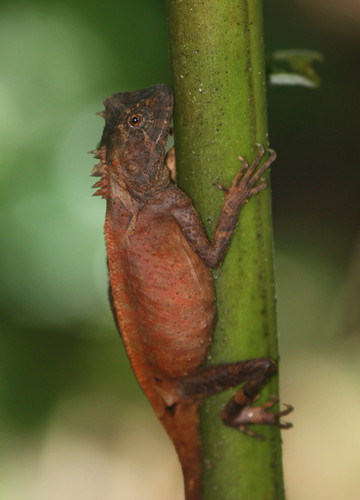
 Emma Gray's Forest Lizard~40%+10%
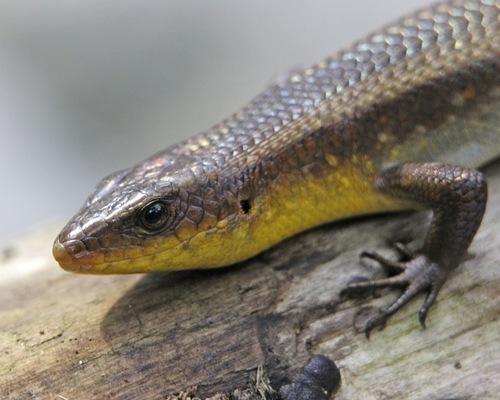
 Indian Forest Skink~40%+30%
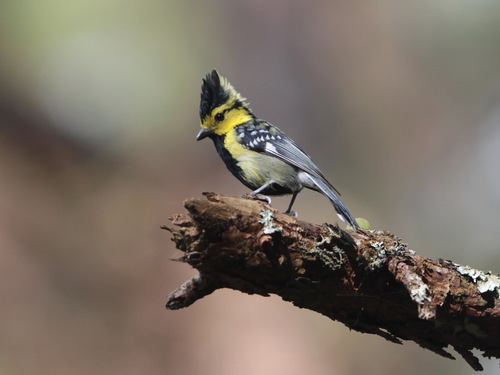
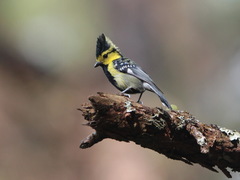 Yellow-cheeked Tit~40%≈
 Arcuate-spotted Pygmy Frog~40%+20%
 Burmese False Bloodsucker~40%+10%
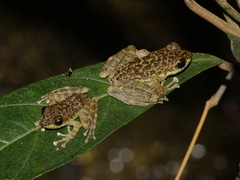 Marbled Cascade Frog~40%≈
 Red Lipped Horned Agamid”~40%+10%
-
Park headquarters
Daily sight. prob.vs avg- Emma Gray's Forest Lizard~60%+20%
- Marbled Cascade Frog~60%+20%
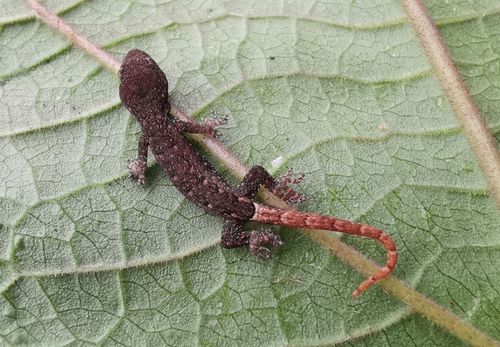
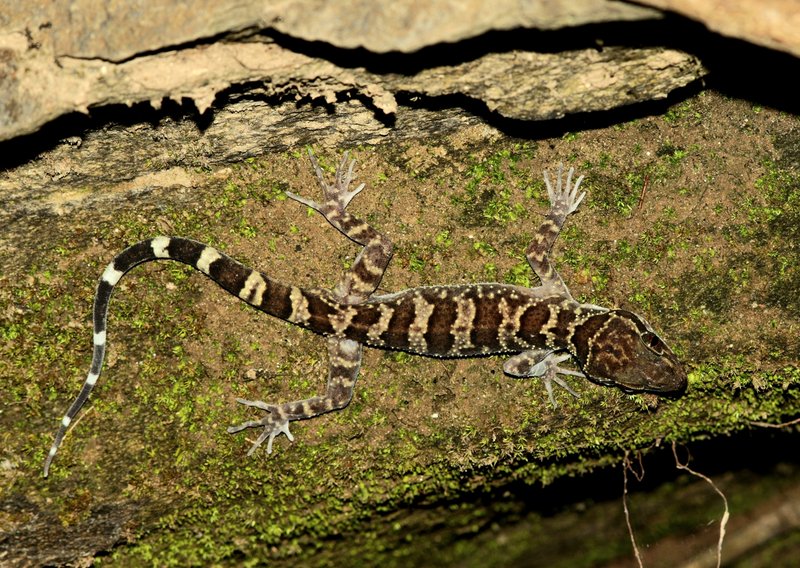
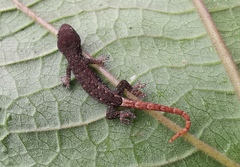 Chiang Mai Dwarf Gecko~50%+20%
- Doi Inthanon Rock Frog~50%+20%
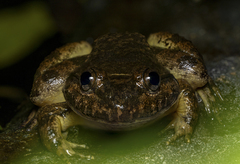 Ban Khun Klang Wart Frog~50%+20%
- Red Lipped Horned Agamid”~40%+20%
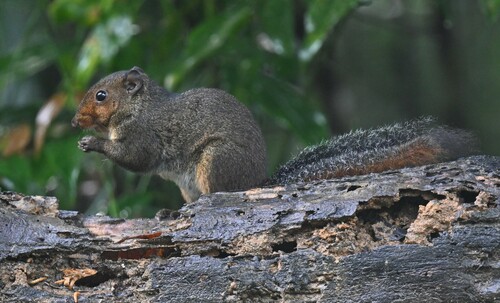
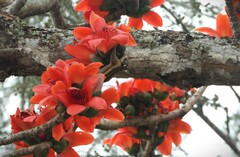 Himalayan Striped Squirrel~40%+10%
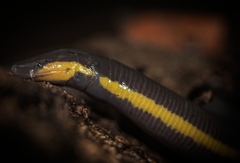 Koh Tao Caecilian~40%+20%
- White-eyed Litter Frog~40%+10%
- Karin Bubble-nest Frog~40%+20%
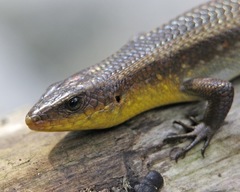 Many-lined Sun-skink~30%+20%
 Banded Keelback~30%+20%
-
Kew Mae Pan
Daily sight. prob.vs avg- Chiang Mai Crocodile Newt~70%+30%
- Black-backed Sibia~60%≈
- Karin Bubble-nest Frog~50%+30%
- Green-tailed Sunbird~40%≈
 Flat-tailed House Gecko~40%+20%
- Chiang Mai Dwarf Gecko~40%+10%
- Burmese False Bloodsucker~40%+20%
- Chestnut-tailed Minla~40%≈
- Davison's Leaf-Warbler~40%-10%
- Yellow-bellied Fairy-Fantail~40%≈
- Golden-throated Barbet~40%-10%
- Silver-eared Laughingthrush~30%-20%
-
Inthanon Highland & Touchstar Resorts vicinity


🏕️ Experience
Essentials
Entrance
Paid
Tourism
Medium
Typical stay
2–3
daysTrails
Hard
World Heritage
No
Climate
Temp °C Rain mm
JanFebMarAprMayJunJulAugSepOctNovDec
0.0 Good
Wallace's Line Score
How good is this park for seeing wildlife? 🦜
Biodiversity
ExcellentHow rich is the wildlife?
4.8
Species by taxon
🦅 Birds 827
🐒 Mammals 198
🦎 Reptiles 145
🐸 Amphibians 92
1262 Total Species
828 Global average across 316 parks
72 Threatened 5 Endemic
🔭
Sighting
GoodHow likely to see animals?
2.4
🎯
Top-12 Avg Probability
49% 📊
Coverage (269 species at ≥5% of 1262 in the inventory)
21% 🔀
Taxon variety in top 12 (12 bird)
0% 🔭
Species per 10 outings (distinct species a visitor would meet over 10 outings — effort held equal across parks)
178 🌟
Iconic-group species (≥15%) (every species from the 19 iconic groups — monkeys, cats, toucans, macaws, sloths, crocodilians… — not just the 4 highlighted above)
2 ⭐
High-prob species (>40%)
21 🏕️
Experience
GoodHow easy and pleasant is the visit?
3.3
Climate Mixed Medium
Entrance Paid Low
Tourism Medium Medium
Trails Hard Low
World Heritage No —
What visitors say
However, before we started we found out that a group of photographers were throwing mealworms down behind the toilets for birds, and this brought out several goodies such as Slate-coloured Flycatcher, Large Niltava and Silver-eared Laughingthrush.
While patiently waiting for a calling Black-headed Woodpecker, our minibus drivers radioed in with urgent news: they’d spotted raptors farther down the road.
We had one treat in store before we left the hotel when a superb Litchi Lantern Bug was found as we waited for our drivers and the vans.
I saw many incredible things in Thailand, both natural and man-made, but from the waterfalls to the sweeping views from the royal pagodas, Doi Inthanon was on another level.
Before you go
What animals can you see in Doi Inthanon National Park?
1,262 species
Doi Inthanon National Park has 1,262 recorded vertebrate species. The ones wildlife watchers report most often on a given day are Black-backed Sibia (about 60%), Blue Whistling-Thrush (about 60%), Black-crested Bulbul (about 50%), Green-tailed Sunbird (about 50%) and Davison's Leaf-Warbler (about 50%). Among mammals, the most-seen is Himalayan Striped Squirrel (about 40%); among reptiles, Emma Gray's Forest Lizard (about 40%); among amphibians, Marbled Cascade Frog (about 40%).
When is the best time to visit Doi Inthanon National Park for wildlife?
May, July and October–March
In those months the park's 12 most-seen species average about 50% on a given day, against about 40% in April, June and August–September.
Can you see a Doi Inthanon Rock Frog in Doi Inthanon National Park?
Yes
About 30% of wildlife watchers report a Doi Inthanon Rock Frog sighting in Doi Inthanon National Park on a given day, based on 40 verified sightings from GBIF citizen-science data from 2019 to 2026. The best time is September (about 70%).
Can you see a Chiang Mai Crocodile Newt in Doi Inthanon National Park?
Yes
About 40% of wildlife watchers report a Chiang Mai Crocodile Newt sighting in Doi Inthanon National Park on a given day, based on 77 verified sightings from GBIF citizen-science data from 2019 to 2026. The best time is May (about 70%).
Can you see a Black-backed Sibia in Doi Inthanon National Park?
Yes
About 60% of wildlife watchers report a Black-backed Sibia sighting in Doi Inthanon National Park on a given day, based on 2,508 verified sightings from GBIF citizen-science data from 2019 to 2026. The best time is May (about 80%).
Can you see a Himalayan Striped Squirrel in Doi Inthanon National Park?
Yes
About 40% of wildlife watchers report a Himalayan Striped Squirrel sighting in Doi Inthanon National Park on a given day, based on 48 verified sightings from GBIF citizen-science data from 2019 to 2026. The best time is January (about 60%).
Where in Doi Inthanon National Park is wildlife easiest to see?
Around Summit (Ang Ka)
The richest sighting zone is around Summit (Ang Ka), followed by Mae Ouam (Km 34.5) and Park headquarters, ranked by how many of the park's headline animals visitors can expect to see in each. See the zones on the map.
Is Doi Inthanon National Park good for wildlife watching?
3.0 out of 5
On the Wallace's Line Score, Doi Inthanon National Park rates 3.0/5: 277th of 316 parks worldwide and 21st in Southeast Asia. 27 of its species are reported by about 40% or more of wildlife watchers on a given day.


