Zoo
Drakenstein Lion Park
🇿🇦 South Africa
🦒 Zoo or wildlife park, South Africa 5 spp. present
Drakenstein Lion Park is a zoological park in Drakenstein, Western Cape, South Africa. It was established in 1998 to keep lions which could not be rehabilitated into the wilderness, and was meant to replace the now-defunct Tygerberg Zoo, which housed possible descendants of the Cape lion, amongst other animals. Other animals included chimpanzees and tigers, including from Novosibirsk Zoo, from where Tygerberg's director John Spence managed to obtain his lions. Wikipedia (CC BY-SA)
33.795° S 18.910° E
🎟️ Visit

Essentials
Entrance
—
Tourism
Medium
Species present
5
speciesOpened
1998
Size
Large
Visit
Opening hours
Mon–Sat · 10:00–16:00Sun · 11:00–16:00
Getting there
What visitors say
🦒 Animals in captivity




Before you go
Where is Drakenstein Lion Park?
South Africa
Drakenstein Lion Park is a zoo or wildlife park in South Africa. Its coordinates are 33.795° S, 18.910° E. The nearest national park in our atlas is Table Mountain National Park, about 68 km away.
What animals can you see at Drakenstein Lion Park?
5 species
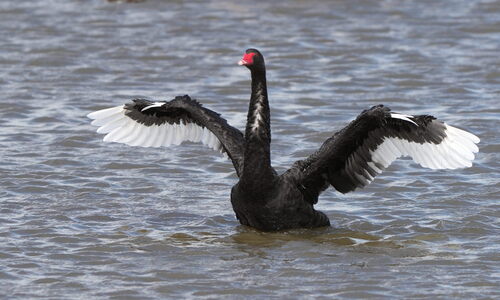
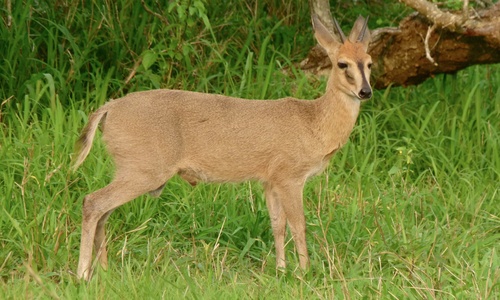
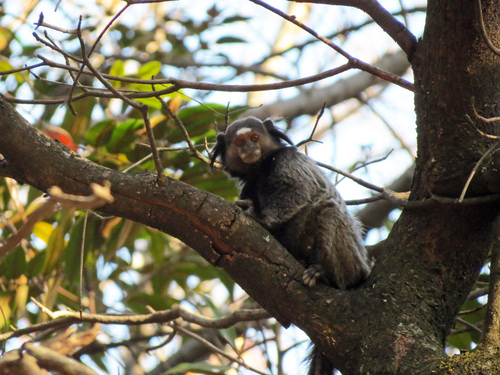
Citizen-science photos record 5 species at Drakenstein Lion Park, including Black Swan, Bush Duiker, Black-pencilled Marmoset, Grey Parrot and Leopard. Those with a page of their own in our atlas show the odds of seeing them in the wild.
Where can you see the animals of Drakenstein Lion Park in the wild?
Black Swan: Gauja National Park
Some of the animals photographed at Drakenstein Lion Park also live in the parks and cities we cover: Black Swan (about 40% of wildlife watchers report it on a given day in Gauja National Park), Bush Duiker (about 70% of wildlife watchers report it on a given day in Aberdare National Park) and Black-pencilled Marmoset (about 50% of wildlife watchers report it on a given day in Chapada Diamantina National Park).
When is Drakenstein Lion Park open?
Mon–Sat · 10:00–16:00
According to its open map listing, Drakenstein Lion Park is open Mon–Sat · 10:00–16:00; Sun · 11:00–16:00. Opening hours change with the season and on public holidays, so confirm them on the official website before you travel.
When did Drakenstein Lion Park open and how big is it?
Opened 1998, 24 ha
Drakenstein Lion Park, a zoo or wildlife park in South Africa, opened in 1998 and covers about 24 ha, according to Wikidata and OpenStreetMap. Today 5 species are photographed there.
Nearest Zoos & Centres


Nearest Parks


Nearest Cities


Sources: © OpenStreetMap contributors (ODbL) · Wikidata (CC0) · iNaturalist observers · Wikipedia (CC BY-SA) · the centre's official website