De Hoop Nature Reserve
🇿🇦 South Africa
Southern Africa, South Africa 680 spp. recorded
De Hoop Nature Reserve is a protected coastal and fynbos habitat situated in the southern region of South Africa. This Mediterranean scrub landscape features sandy dunes, limestone cliffs, and coastal plains where visitors walk through dense low shrubs and open coastal trails.
-34.435° S 20.592° E
🦜 Nature

336 Species sighted
24,002 Verified sightings From 2019 to 2026
Oct Best month
⭐ Iconic Species


📊 Most Spotted






⭐ Iconic Species
📊 Most Spotted


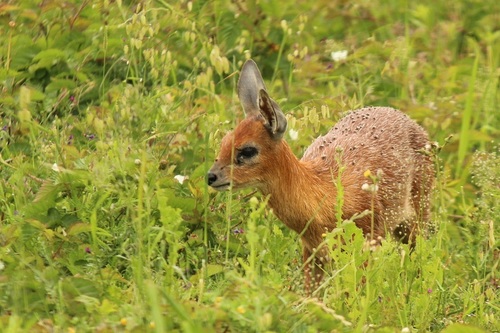


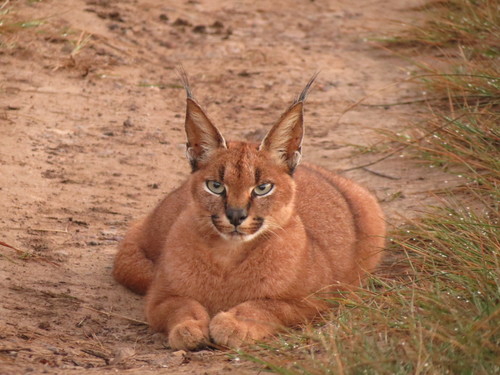


⭐ Iconic Species
📊 Most Spotted


📊 Most Spotted
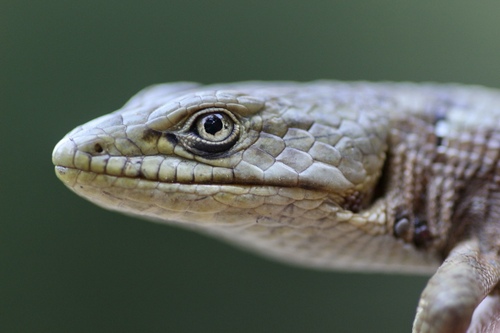


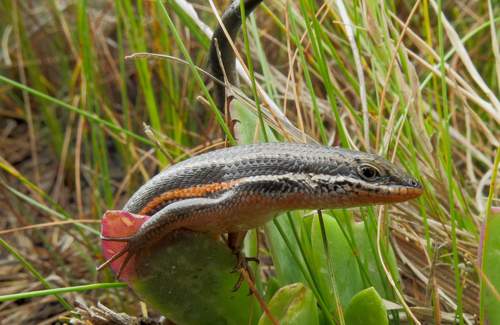


📊 Most Spotted


📊 Most Spotted
📊 Most Spotted
🌙 Most active after dark


+ 449 more species with insufficient data
Recent sightings in De Hoop Nature Reserve
LIVEiNaturalistSighting Calendar
How many species you'd see in a day
53Jan
50Feb
55Mar
56Apr
52May
13Jun
49Jul
50Aug
64Sep
69Oct
59Nov
55Dec
Sighting Zones
Warmer areas are where all species together are recorded most often.
-
Park campground
-
34.476° S, 20.432° E
-
Koppie Alleen
Daily sight. prob.vs avg -
Potberg
Daily sight. prob.vs avg -
East park edge
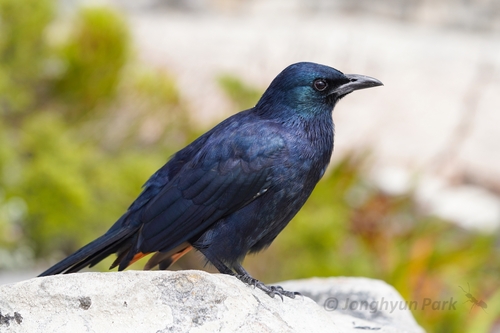
Daily sight. prob.vs avg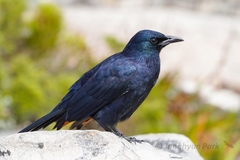 Red-winged Starling>90%+40%
 Southern Rock Agama~80%+20%
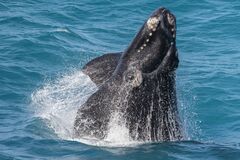 Southern Right Whale~80%+20%
 Clicking Stream Frog~70%+30%
 Common Eland~60%-20%
 Cape Four-striped Grass Mouse~50%+10%
 Cape Crag Lizard~50%+20%
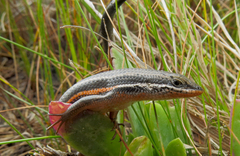 Red-sided Skink~50%+20%
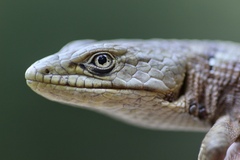 Cape Girdled Lizard~50%-10%
 Rock Hyrax~40%-20%
 Mountain Rain Frog~40%+20%
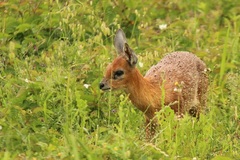 Cape Grysbok~40%+10%






🏕️ Experience
Essentials
Climate
Temp °C Rain mm
JanFebMarAprMayJunJulAugSepOctNovDec
0.0 World-class
Wallace's Line Score
How good is this park for seeing wildlife? 🦜
Biodiversity
Very goodHow rich is the wildlife?
4.5
Species by taxon
🦅 Birds 466
🐒 Mammals 130
🦎 Reptiles 60
🐸 Amphibians 18
🦈 Sharks & Rays 6
680 Total Species
828 Global average across 316 parks
36 Threatened 27 Endemic
🔭
Sighting
ExcellentHow likely to see animals?
4.8
🎯
Top-12 Avg Probability
70% 📊
Coverage (241 species at ≥5% of 680 in the inventory)
35% 🔀
Taxon variety in top 12 (8 bird, 3 mammal, 1 reptile)
65% 🔭
Species per 10 outings (distinct species a visitor would meet over 10 outings — effort held equal across parks)
141 🌟
Iconic-group species (≥15%) (every species from the 19 iconic groups — monkeys, cats, toucans, macaws, sloths, crocodilians… — not just the 4 highlighted above)
23 ⭐
High-prob species (>40%)
50 🏕️
Experience
Very goodHow easy and pleasant is the visit?
4.3
Climate Mixed Medium
Entrance Paid Low
Tourism Medium Medium
Trails Easy High
World Heritage Yes Bonus
What visitors say
As for us, an afternoon walk past the cliffs, where we heard baboons call across the vlei, a morning pottering on the beach watching whales, a lovely dinner in the authentic restaurant and even more ‘bokkie’-spotting was all we needed.
We found a Black Bustard, another huge representative of this group of birds with no North American parallel.
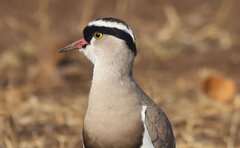
On the 12th of January 2019 I was hiking along one of the many beautiful trails at De Hoop Nature Reserve I noticed a crowned lapwing and the thought came to me: "What if I can share what I just saw with others.
I was lucky to get out alive in this shocking chapter of The Long Road to Cullaville. [Visited: June 2012] Personal travel impressions both in words and images from De Hoop Nature Reserve (South Africa).
Before you go
What animals can you see in De Hoop Nature Reserve?
680 species
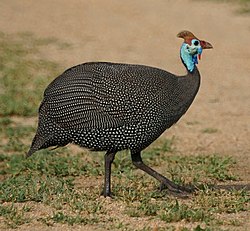
De Hoop Nature Reserve has 680 recorded vertebrate species. The ones wildlife watchers report most often on a given day are Bontebok/Blesbok (about 80%), Common Eland (about 80%), Common Ostrich (about 70%), Southern Fiscal (about 70%) and Helmeted Guineafowl (about 70%). Among reptiles, the most-seen is Southern Rock Agama (about 70%); among amphibians, Clicking Stream Frog (about 40%).
When is the best time to visit De Hoop Nature Reserve for wildlife?
April and October
In those months the park's 12 most-seen species average about 80% on a given day, against about 60% in July and August.
Can you see a Southern Right Whale in De Hoop Nature Reserve?
Yes
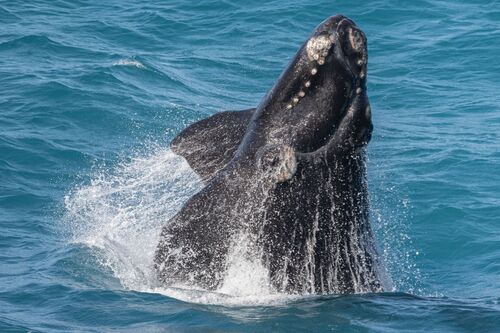
About 60% of wildlife watchers report a Southern Right Whale sighting in De Hoop Nature Reserve on a given day, based on 87 verified sightings from GBIF citizen-science data from 2019 to 2026. The best time is August and September (about 80%).
Can you see a Bontebok/Blesbok in De Hoop Nature Reserve?
Yes
About 80% of wildlife watchers report a Bontebok/Blesbok sighting in De Hoop Nature Reserve on a given day, based on 198 verified sightings from GBIF citizen-science data from 2019 to 2026. The best time is April (about 90%).
Can you see a Blue Crane in De Hoop Nature Reserve?
Yes
About 50% of wildlife watchers report a Blue Crane sighting in De Hoop Nature Reserve on a given day, based on 294 verified sightings from GBIF citizen-science data from 2019 to 2026. The best time is January and September–October (about 60%).
Can you see a Common Eland in De Hoop Nature Reserve?
Yes
About 80% of wildlife watchers report a Common Eland sighting in De Hoop Nature Reserve on a given day, based on 138 verified sightings from GBIF citizen-science data from 2019 to 2026. The best time is February–May and August–September (about 80%).
Where in De Hoop Nature Reserve is wildlife easiest to see?
Around Park campground
The richest sighting zone is around Park campground, followed by Koppie Alleen, ranked by how many of the park's headline animals visitors can expect to see in each. See the zones on the map.
Is De Hoop Nature Reserve good for wildlife watching?
4.7 out of 5
On the Wallace's Line Score, De Hoop Nature Reserve rates 4.7/5: 41st of 316 parks worldwide and 30th in Africa. 60 of its species are reported by about 40% or more of wildlife watchers on a given day.