Aquarium
Mote Marine Laboratory
🇺🇸 United States
🐠 Aquarium, United States 101 spp. present
Mote Marine Laboratory is an independent, nonprofit, marine research organization based on City Island in Sarasota, Florida, with additional campuses in eastern Sarasota County, Boca Grande, Florida, and the Florida Keys. Founded in 1955 by Eugenie Clark in Placida, Florida, it was known as the Cape Haze Marine Laboratory until 1967. The laboratory aims to advance marine science and education, supporting conservation and sustainable use of marine resources. The laboratory also runs the Mote Science Education Aquarium (Mote SEA) located at 225 University Town Center, a public aquarium which also showcases its research for the public. Wikipedia (CC BY-SA)
27.333° N 82.577° W
🎟️ Visit

Essentials
Entrance
—
Tourism
High
Species present
101
speciesOpened
1955
Size
Small
Visit
Getting there
- Address
- 1600 Ken Thompson Parkway, Sarasota, FL 34236
What visitors say
🐠 Animals in captivity




Before you go
Where is Mote Marine Laboratory?
United States
Mote Marine Laboratory is an aquarium in the United States, at 1600 Ken Thompson Parkway, Sarasota, FL 34236. Its coordinates are 27.333° N, 82.577° W. The nearest national park in our atlas is Big Cypress National Preserve, about 206 km away.
What animals can you see at Mote Marine Laboratory?
101 species
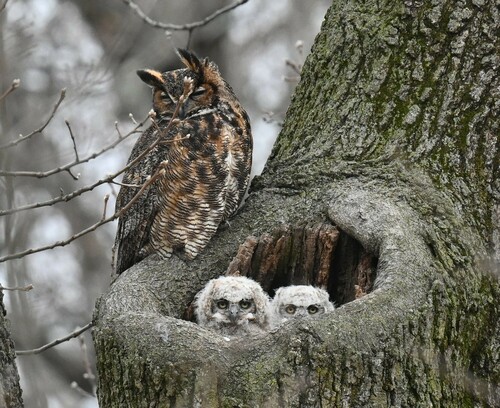
Citizen-science photos record 101 species at Mote Marine Laboratory, including Roseate Spoonbill, Crested Caracara, Northern River Otter, Bonnethead and Great Horned Owl. Those with a page of their own in our atlas show the odds of seeing them in the wild.
Where can you see the animals of Mote Marine Laboratory in the wild?
Roseate Spoonbill: Merritt Island National Wildlife Refuge
Some of the animals photographed at Mote Marine Laboratory also live in the parks and cities we cover: Roseate Spoonbill (about 50% of wildlife watchers report it on a given day in Merritt Island National Wildlife Refuge), Crested Caracara (about 80% of wildlife watchers report it on a given day in Parque Estadual Encontro das Águas) and Northern River Otter (about 40% of wildlife watchers report it on a given day in Isle Royale National Park).
When did Mote Marine Laboratory open and how big is it?
Opened 1955, 0.7 ha
Mote Marine Laboratory, an aquarium in the United States, opened in 1955 and covers about 0.7 ha, according to Wikidata and OpenStreetMap. Today 101 species are photographed there.
Nearest Zoos & Centres


Nearest Parks


Nearest Cities


Sources: © OpenStreetMap contributors (ODbL) · Wikidata (CC0) · iNaturalist observers · Wikipedia (CC BY-SA)