




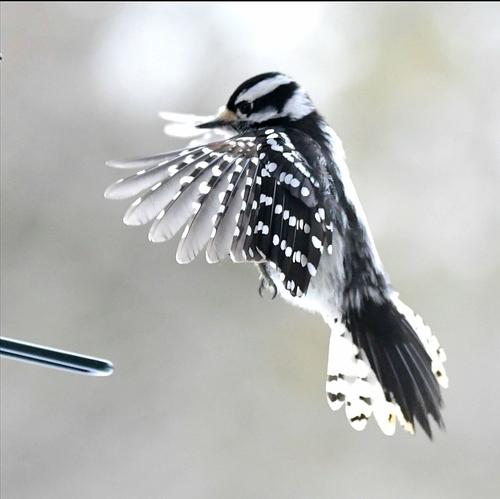








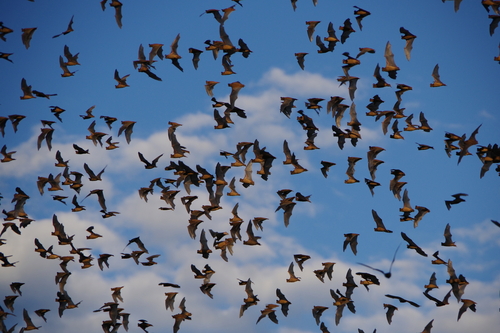



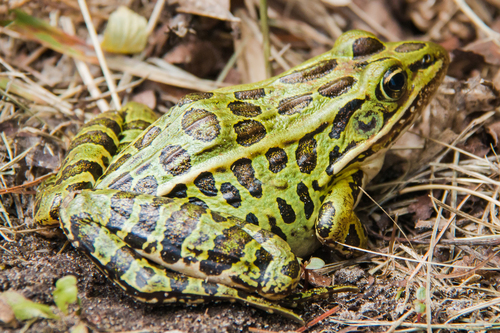


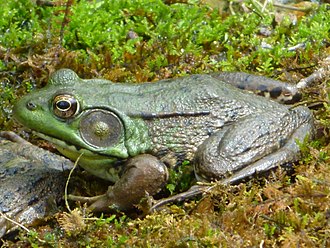


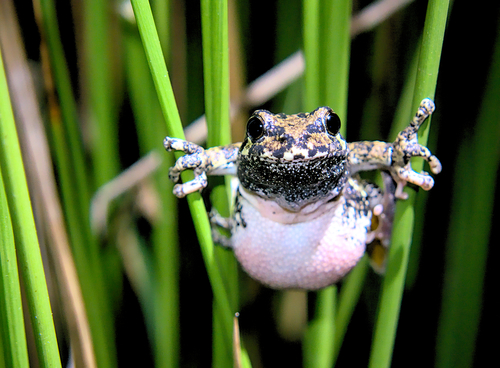

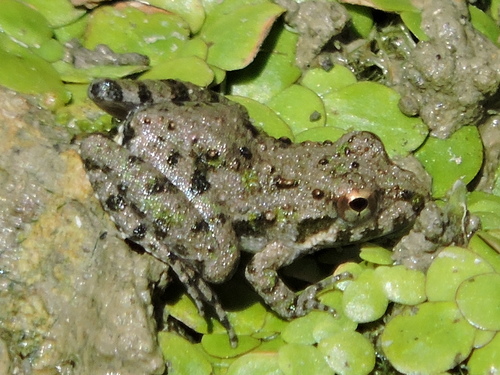


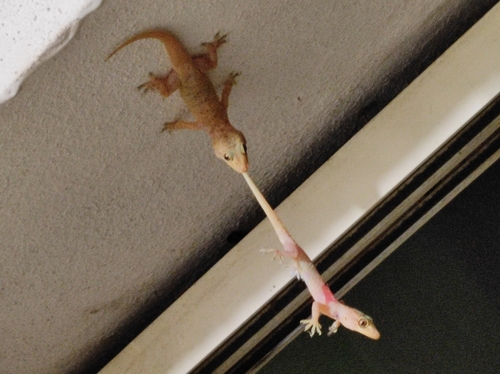
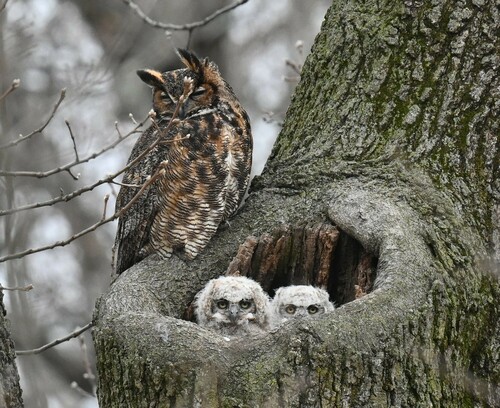


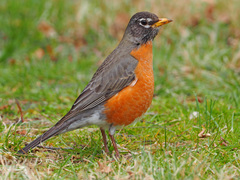
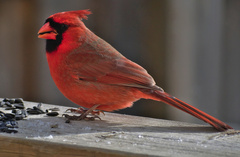


All 4 in 3 days here: ~60%
City
Houston
🇺🇸 United States
North America, United States 424 spp. recorded
Houston is the most populous city in the U.S. State of Texas and the Southern United States. It is the fourth-most populous city in the United States. Wikipedia
29.822° N 95.395° W
🦜 Nature

424 Species sighted
573,524 Verified sightings From 2019 to 2026
Apr Best month
⭐ Iconic Species
📊 Most Spotted
📊 Most Spotted
⭐ Iconic Species
📊 Most Spotted
📊 Most Spotted
📊 Most Spotted

LC
Lesser Siren
Siren intermedia
📊 Most Spotted
🌙 Most active after dark
Challenges you can complete here

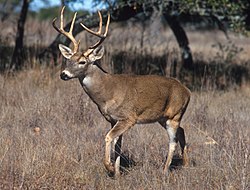


All 3 in 3 days here: ~10%


All 3 in 3 days here: <5%
Recent sightings in Houston
LIVEiNaturalistWhere to look
Warmer areas are where all species together are recorded most often.
-
Cullinan Park, Sugar Land
-
Edith L. Moore Nature Sanctuary
-
Houston Arboretum and Nature Center
-
Russ Pitman Park / Nature Discovery Center
-
Memorial Park—Eastern Glades, Houston
-
W.of Eldridge Pkwy (Eldridge Retention Basin)
-
Willow Waterhole Greenspace
-
Deputy Darren Goforth / Horsepen Creek Park
-
Woodland Park, Houston






Sighting Calendar
How many species you'd see in a day
37Jan
40Feb
54Mar
65Apr
61May
59Jun
63Jul
62Aug
61Sep
63Oct
54Nov
45Dec
🏙️ City
Essentials
Green cover
Medium
Protected land
0.1%
Protected sea
—
Protected areas
11
areasWildlife spots
12
spotsZoos & centres
2
placesClimate
Humid subtropical
World Heritage
No
Climate
Temp °C Rain mm
JanFebMarAprMayJunJulAugSepOctNovDec
Zoos & rescue centres


0.0 Excellent
Wallace's Line Score
How good is this city for seeing wildlife? 🦜
Biodiversity
ExcellentHow rich is the wildlife?
5.0
Species by taxon
🦅 Birds 528
🐒 Mammals 99
🦎 Reptiles 106
🐸 Amphibians 50
783 Total Species
679 Global average across 380 cities
34 Threatened 46 Endemic
🔭
Sighting
GoodHow likely to see animals?
3.7
🎯
Top-12 Avg Probability
60% 📊
Coverage (129 species at ≥5% of 783 in the inventory)
16% 🔀
Taxon variety in top 12 (10 bird, 2 reptile)
37% 🌟
Iconic-group species (≥15%) (every species from the 19 iconic groups — monkeys, cats, toucans, macaws, sloths, crocodilians… — not just the 4 highlighted above)
1 ⭐
High-prob species (>40%)
13 🏕️
Experience
Very goodHow easy and pleasant is the visit?
3.8
Climate Mixed Medium
Green cover Medium Medium
Protected land & sea 0.1% land Low
Protected areas 11 High
Wildlife spots 12 High
Zoos & centres 2 High
What visitors say
Before you go
What animals can you see in Houston?
424 species
Houston's urban area has 424 recorded vertebrate species. The ones wildlife watchers report most often on a given day are Blue Jay (about 90%), Northern Cardinal (about 90%), White-winged Dove (about 70%), Northern Mockingbird (about 70%) and Carolina Chickadee (about 60%). Among mammals, the most-seen is Eastern Gray Squirrel (about 40%); among reptiles, Brown Anole (about 50%); among amphibians, Gulf Coast Toad (about 30%).
When is the best time to see wildlife in Houston?
February to December
In those months the city's 12 most-seen species average about 60% on a given day, against about 50% in January.
Can you see a Blue Jay in Houston?
Yes
About 90% of wildlife watchers report a Blue Jay sighting in Houston on a given day, based on 30,358 verified sightings from GBIF citizen-science data from 2019 to 2026. The best time is February to December (about 90%).
Can you see a Northern Cardinal in Houston?
Yes
About 90% of wildlife watchers report a Northern Cardinal sighting in Houston on a given day, based on 28,801 verified sightings from GBIF citizen-science data from 2019 to 2026. The best time is March to October (about 90%).
Can you see a Carolina Chickadee in Houston?
Yes
About 60% of wildlife watchers report a Carolina Chickadee sighting in Houston on a given day, based on 17,497 verified sightings from GBIF citizen-science data from 2019 to 2026. The best time is May, August–October and December (about 70%).
Where in Houston is wildlife easiest to see?
Cullinan Park, Sugar Land
The spot where most wildlife watchers record their sightings is Cullinan Park, Sugar Land (266 bird species recorded), followed by Edith L. Moore Nature Sanctuary and Houston Arboretum and Nature Center. See them on the map.
Is Houston good for wildlife watching?
4.0 out of 5
On the Wallace's Line Score, which rates each city against other cities, Houston gets 4.0/5: 210th of 380 cities worldwide and 28th in North America. 20 of its species are reported by about 40% or more of wildlife watchers on a given day.
Nearest Cities


Nearest Parks


Nearest Zoos & Centres


Sources: urban area GHSL Urban Centre Database R2024A, European Commission JRC (CC BY 4.0) · protected land WDPA, UNEP-WCMC & IUCN (via GHSL) · climate NASA POWER · wildlife GBIF.org citizen-science data