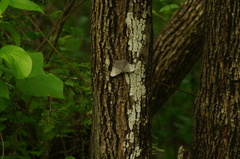
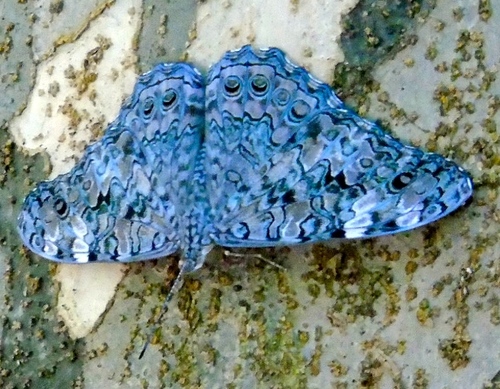
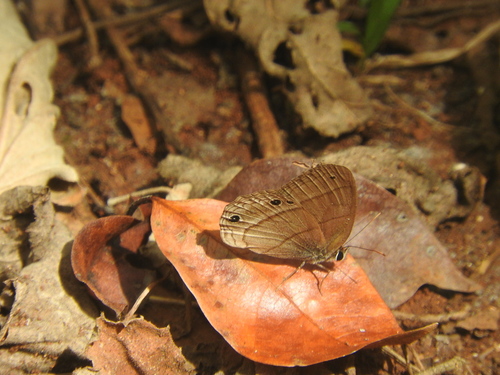
Glaucous Cracker

Glaucous Cracker

Hamadryas glauconome

Daily sighting probability ~10% · With luck
at Biotopo Cerro Cahuí

In 3 days ~30% in a week ~60%

5 Verified sightings at Biotopo Cerro Cahuí From 2019 to 2026
25 In all 3 parks
July Best month
☀️ Diurnal When it's spotted

About the Glaucous Cracker

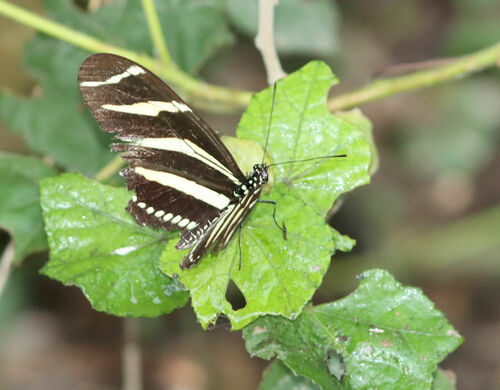
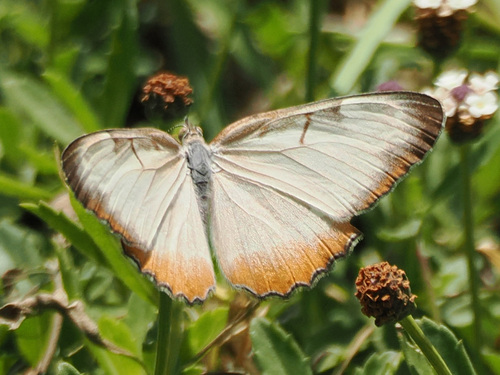
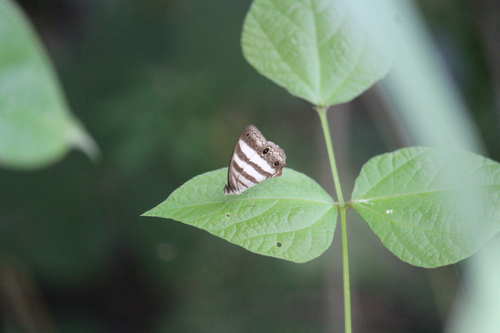
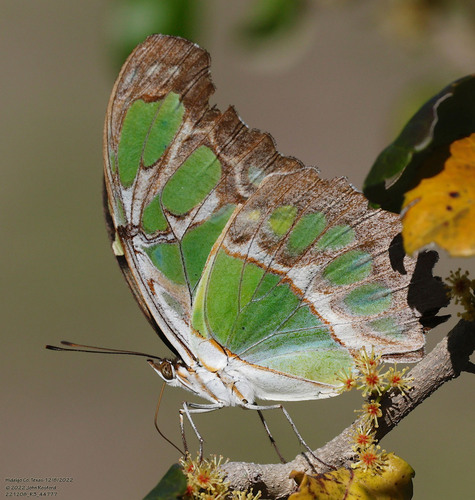
Hamadryas glauconome, the pale cracker or glaucous cracker, is a species of cracker butterfly in the family Nymphalidae. It was described by Henry Walter Bates in 1864 and is found in Mexico, Central America and south to Peru. It has been recorded as an unexpected vagrant in the United States in southern Florida, Arizona and Texas.

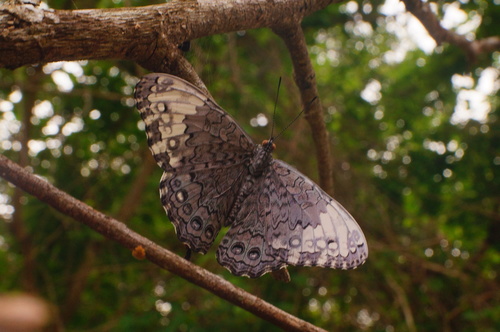
Adults have wings mottled in grey, brown and white. They are very similar in appearance to the grey cracker (Hamadryas februa) and like them have small, submarginal eyespots on the underside of the hindwings that incorporate some orange scales; these are the only two members of the genus to have orange eyespot scales. The pale cracker differs from the grey cracker in lacking a small red bar on the forewing.

The pale cracker is native to Mexico, Central America and South America as far south as Guatemala and Peru. It has been recorded as a vagrant in the United States, in southeastern Arizona (rare stray), south Texas (one sighting) and Florida. It is found in open areas with scattered trees, both moist areas and semi-arid ones.

Adults do not visit flowers, instead feeding on rotting fruit, carrion... Wikipedia →
Global Distribution

Parks Where Found

# Park Country Daily sighting probability
1 Calakmul Biosphere Reserve 🇲🇽 Mexico
~10%
2 Biotopo Cerro Cahuí 🇬🇹 Guatemala
~10%
3 Cañón del Sumidero National Park 🇲🇽 Mexico
~10%

Before you go

What are the chances of seeing a Glaucous Cracker in Biotopo Cerro Cahuí?

With luck

About 10% of wildlife watchers report a Glaucous Cracker sighting in Biotopo Cerro Cahuí on a given day, based on 5 verified sightings from GBIF citizen-science data from 2019 to 2026. It is the 63rd most-seen of the 77 insects we can rate there. Over three days the chance rises to about 30%, and over a week to about 60%, if each day is a fresh chance.

When is the best time to see a Glaucous Cracker in Biotopo Cerro Cahuí?

January, July and October–November

In those months about 20% of wildlife watchers report a Glaucous Cracker in Biotopo Cerro Cahuí on a given day, against under 5% in February–June, August–September and December, the lowest months.

What time of day is best to see a Glaucous Cracker?

Between 3 and 6 pm

Across all the parks we cover, that three-hour window holds the most Glaucous Cracker sightings with a recorded time, and nearly all of them come between 6 am and 6 pm: it is a daytime animal.

Is Biotopo Cerro Cahuí the best place to see a Glaucous Cracker?

Among the best

Of the 3 parks where we can rate Glaucous Cracker sightings, Biotopo Cerro Cahuí ranks 2nd at about 10%, level with the leaders once rounded. The best odds are in Calakmul Biosphere Reserve (Mexico, about 10%).

Where does the Glaucous Cracker sighting chance come from?

GBIF citizen-science records

It is estimated from how often the Glaucous Cracker is recorded against all the insects logged in Biotopo Cerro Cahuí (5 verified sightings from 2019 to 2026), calibrated against known sighting rates. Figures are rounded to the nearest 10% because citizen-science data supports honest approximations, not decimals, and months with records from fewer than five people show "—". How it works.

← Back to Biotopo Cerro Cahuí