Calakmul Biosphere Reserve
🇲🇽 Mexico
Yucatán Peninsula, Mexico 828 spp. recorded
Calakmul protects the largest expanse of tropical forest in Mexico, on the Guatemalan border. Spider monkeys and black howlers are all but guaranteed around the ruins — both are recorded on roughly two thirds of visits — and the forest still holds jaguar, Baird's tapir and ocellated turkey.
18.112° N 89.779° W
🦜 Nature

491 Species sighted
34,958 Verified sightings From 2019 to 2026
Jul Best month
⭐ Iconic Species


📊 Most Spotted


⭐ Iconic Species
📊 Most Spotted


📊 Most Spotted
📊 Most Spotted


📊 Most Spotted


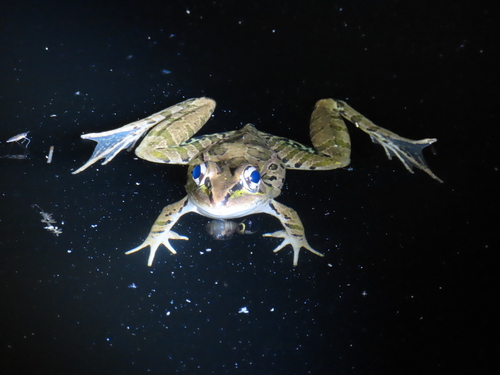


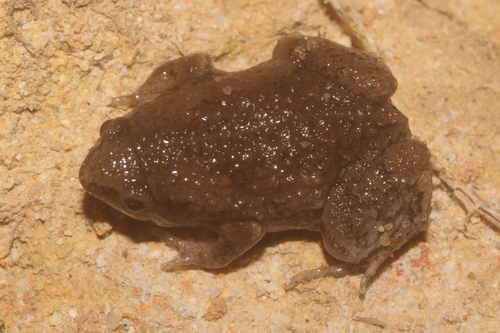
📊 Most Spotted
🌙 Most active after dark


+ 450 more species with insufficient data
Recent sightings in Calakmul Biosphere Reserve
LIVEiNaturalistSounds of Calakmul Biosphere Reserve
Dusk soundscape0:40
Mexico · 2018
© Remco Hofland · XC439496 · CC BY-NC-SA 4.0
Sighting Calendar
How many species you'd see in a day
56Jan
53Feb
54Mar
51Apr
43May
52Jun
72Jul
47Aug
56Sep
50Oct
42Nov
49Dec
Sighting Zones
Warmer areas are where all species together are recorded most often.
-
Zona Arqueológica de Calakmul
Daily sight. prob.vs avg -
Complejo Turístico Chicanna Ecovillage Resort
Daily sight. prob.vs avg Central American Agouti~70%+40%
 Central American Gulf Coast Toad~60%+30%
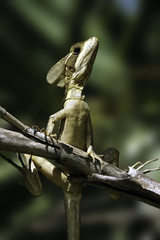 Brown Basilisk~60%+20%
 Yucatán Squirrel~60%+30%
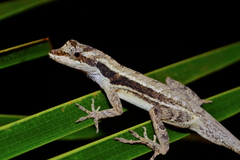 Ghost Anole~50%+20%
 Gray Fox~50%+20%
 Rainbow Ameiva~50%+30%
 Common House Gecko~50%+30%
 Yellow-spotted Spiny Lizard~50%+10%
 Clay-colored Thrush~50%+10%
 Brown Jay~50%-20%
 Social Flycatcher~50%-10%
-
18.364° N, 89.894° W
Daily sight. prob.vs avg- Gray Fox~60%+30%
- Ghost Anole~60%+30%
- Central American Gulf Coast Toad~60%+30%
 Rodriguez's Anole~60%+40%
 Yucatán Casque-headed Tree Frog~60%+30%
 Sheep Frog~50%+30%
 Yucatán Banded Gecko~50%+30%
 White-nosed Coati~50%+10%
 Mexican Smilisca~50%+10%
 Greater Scaly Anole~50%+20%
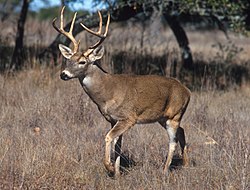 White-tailed Deer~40%+20%
 Speckled Racer~40%+10%
-
Zona Arqueológica Hormiguero
Daily sight. prob.vs avg- Yellow-spotted Spiny Lizard~70%+30%
 Greater Sac-winged Bat~60%+40%
- Mexican Smilisca~60%+30%
- Sheep Frog~60%+30%
- Yucatán Banded Gecko~60%+30%
 Magnolia Warbler~50%-10%
- Brown Basilisk~50%+10%
 Rainforest Cat-eyed Snake~50%+30%
- Brown Jay~40%-30%
- Central American Gulf Coast Toad~40%+10%
- Rainbow Ameiva~40%+20%
 Keel-billed Toucan~40%-20%
-
Zoh Laguna Aserradero
Daily sight. prob.vs avg- Brown Basilisk~80%+40%
- Yucatán Squirrel~70%+40%
- Central American Agouti~50%+30%
 Giant Marine Toad~50%+30%
- Common House Gecko~50%+30%
- Gray Fox~50%+10%
- Rainbow Ameiva~40%+20%
- Speckled Racer~30%+10%
 Black-striped Snake~30%+10%
- Social Flycatcher~30%-20%
 Olive-throated Parakeet~30%-10%
 Golden-fronted Woodpecker~30%-20%


🏕️ Experience
Essentials
Climate
Temp °C Rain mm
JanFebMarAprMayJunJulAugSepOctNovDec
0.0 Good
Wallace's Line Score
How good is this park for seeing wildlife? 🦜
Biodiversity
GoodHow rich is the wildlife?
3.9
Species by taxon
🦅 Birds 509
🐒 Mammals 169
🦎 Reptiles 116
🐸 Amphibians 34
828 Total Species
828 Global average across 316 parks
18 Threatened 81 Endemic
🔭
Sighting
Very goodHow likely to see animals?
3.5
🎯
Top-12 Avg Probability
55% 📊
Coverage (299 species at ≥5% of 828 in the inventory)
36% 🔀
Taxon variety in top 12 (10 bird, 2 mammal)
37% 🔭
Species per 10 outings (distinct species a visitor would meet over 10 outings — effort held equal across parks)
161 🌟
Iconic-group species (≥15%) (every species from the 19 iconic groups — monkeys, cats, toucans, macaws, sloths, crocodilians… — not just the 4 highlighted above)
19 ⭐
High-prob species (>40%)
21 🏕️
Experience
ExcellentHow easy and pleasant is the visit?
4.7
Climate Pleasant High
Entrance Paid Low
Tourism Medium Medium
Trails Easy High
World Heritage Yes Bonus
What visitors say
But we saw some amazing lifer birds like Keel Billed Toucan ,Collared Aracari, Laughing Falcon to name a few along with spider and howler monkeys.
When originally planning the trip, I wanted to include this leg to ensure we saw the Ocellated Turkey, but we already accomplished this goal at Coba.
Both spider monkeys and howler monkeys moved about the canopy roadways searching food, playing, arguing, and at time watching me as much as I watched them.
Here in the remote Yucatán jungle where I saw more monkeys than tourists, climbing pyramids is delightful.
Before you go
What animals can you see in Calakmul Biosphere Reserve?
828 species
Calakmul Biosphere Reserve has 828 recorded vertebrate species. The ones wildlife watchers report most often on a given day are Brown Jay (about 70%), Central American Spider Monkey (about 60%), Mexican Black Howler Monkey (about 60%), Keel-billed Toucan (about 60%) and Magnolia Warbler (about 60%). Among reptiles, the most-seen is Yellow-spotted Spiny Lizard (about 40%); among amphibians, Central American Gulf Coast Toad (about 40%).
When is the best time to visit Calakmul Biosphere Reserve for wildlife?
January
In that month the park's 12 most-seen species average about 70% on a given day, against about 40% in June. That is one of Calakmul Biosphere Reserve's driest months, with about 30 mm of rain against 130 mm in June.
Can you see a Central American Spider Monkey in Calakmul Biosphere Reserve?
Yes
About 60% of wildlife watchers report a Central American Spider Monkey sighting in Calakmul Biosphere Reserve on a given day, based on 360 verified sightings from GBIF citizen-science data from 2019 to 2026. The best time is February, September and November (about 80%).
Can you see a Mexican Black Howler Monkey in Calakmul Biosphere Reserve?
Yes
About 60% of wildlife watchers report a Mexican Black Howler Monkey sighting in Calakmul Biosphere Reserve on a given day, based on 302 verified sightings from GBIF citizen-science data from 2019 to 2026. The best time is January–March, August–September and November (about 70%).
Can you see a Baird's Tapir in Calakmul Biosphere Reserve?
Yes
About 30% of wildlife watchers report a Baird's Tapir sighting in Calakmul Biosphere Reserve on a given day, based on 99 verified sightings from GBIF citizen-science data from 2019 to 2026. The best time is April (about 50%).
Can you see a Jaguar in Calakmul Biosphere Reserve?
Yes
About 20% of wildlife watchers report a Jaguar sighting in Calakmul Biosphere Reserve on a given day, based on 34 verified sightings from GBIF citizen-science data from 2019 to 2026. The best time is February, May and August (about 30%).
Where in Calakmul Biosphere Reserve is wildlife easiest to see?
Around Zona Arqueológica de Calakmul
The richest sighting zone is around Zona Arqueológica de Calakmul, followed by Complejo Turístico Chicanna Ecovillage Resort, ranked by how many of the park's headline animals visitors can expect to see in each. See the zones on the map.
Is Calakmul Biosphere Reserve good for wildlife watching?
3.6 out of 5
On the Wallace's Line Score, Calakmul Biosphere Reserve rates 3.6/5: 171st of 316 parks worldwide and 17th in North America. 35 of its species are reported by about 40% or more of wildlife watchers on a given day.


