
Citrus Looper

Citrus Looper

Ascotis selenaria

Daily sighting probability ~10% · With luck
at Cévennes National Park

In 3 days ~20% in a week ~40%

17 Verified sightings at Cévennes National Park From 2019 to 2026
17 In 1 park
June Best month
🌅 Crepuscular When it's spotted

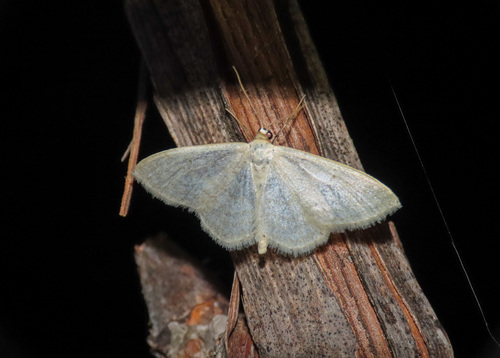
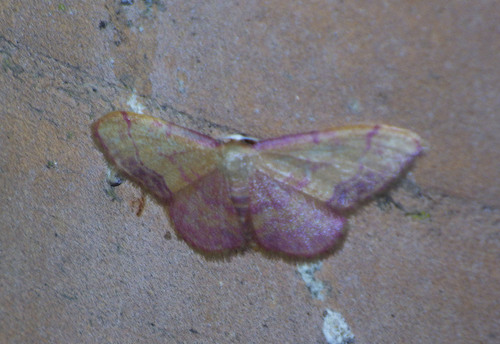
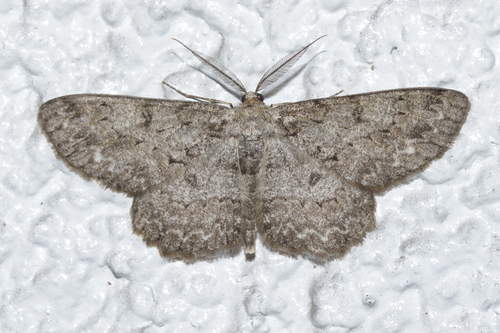
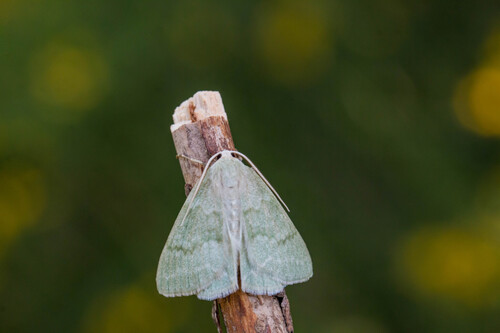
About the Citrus Looper

Ascotis selenaria, the giant looper, is a moth of the family Geometridae. The species was first described by Michael Denis and Ignaz Schiffermüller in 1775. Ascotis selenaria dianaria (Hübner, 1817) Ascotis selenaria selenaria (Denis & Schiffermüller, 1775)

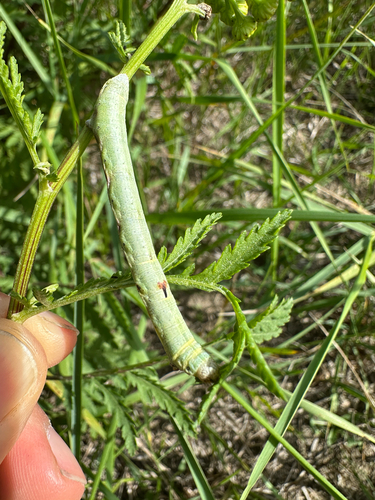
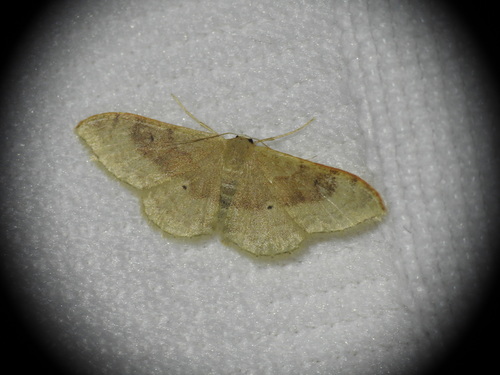
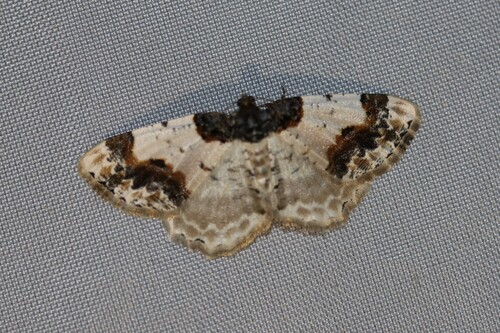
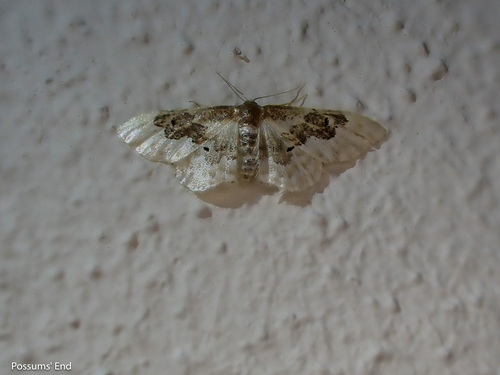
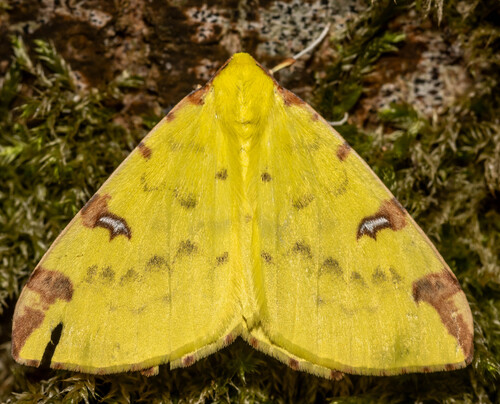
The front wings are characterized by a yellowish-white ground color, with numerous dark grey markings and two brownish sharply toothed transverse lines. The front and rear wings show distinctive moon shaped spots. The color and pattern of the caterpillars vary from green to yellow/green or brown resembling twigs. They have a characteristic bulbous swelling on the thorax and move with a looping motion as usual in measuring worms.

The giant looper has two generations per year in southern Europe, flying from April to May and from July to August. However, further North it's possible that they only fly in one generation. They are attracted to light. The caterpillars can be found from September to... Wikipedia →

Global Distribution

Parks Where Found

# Park Country Daily sighting probability
1 Cévennes National Park 🇫🇷 France
~10%

More parks will be added in future updates.

Cities Where Found

# City Country Daily sighting probability
1 Kyiv 🇺🇦 Ukraine
~10%
2 Lyon 🇫🇷 France
<5%
3 Milan 🇮🇹 Italy
<5%
4 Vienna 🇦🇹 Austria
<5%
5 Beijing 🇨🇳 China
<5%
6 Tokyo 🇯🇵 Japan
<5%
7 Hong Kong 🇨🇳 China
<5%
8 Moscow 🇷🇺 Russia
<5%

Before you go

What are the chances of seeing a Citrus Looper in Cévennes National Park?

With luck

About 10% of wildlife watchers report a Citrus Looper sighting in Cévennes National Park on a given day, based on 17 verified sightings from GBIF citizen-science data from 2019 to 2026. It is the 493rd most-seen of the 996 insects we can rate there. Over three days the chance rises to about 20%, and over a week to about 40%, if each day is a fresh chance.

When is the best time to see a Citrus Looper in Cévennes National Park?

June to August

In those months about 10% of wildlife watchers report a Citrus Looper in Cévennes National Park on a given day, against under 5% in September to May, the lowest months. Those are among Cévennes National Park's driest months, with about 60 mm of rain a month against 260 mm in October.

What time of day is best to see a Citrus Looper?

Between midnight and 3 am

Across all the parks we cover, that three-hour window holds the most Citrus Looper sightings with a recorded time, and about 6 in 10 of them come between 6 pm and 6 am: it is most active around dawn and dusk.

Where else can you see a Citrus Looper?

Only Cévennes National Park, in our data

Cévennes National Park is the only park on Wallace's Line with enough records to rate Citrus Looper sightings: about 10% of wildlife watchers there report one on a given day.

Which relatives of the Citrus Looper live in Cévennes National Park?

Same family: Geometridae

The closest relatives of the Citrus Looper that you can see in Cévennes National Park (family Geometridae, Geometer Moths) are Willow Beauty (about 20%), Portland Ribbon Wave (about 10%) and Chimney-Sweeper (about 10%), with each one's daily chance of a sighting.

Where does the Citrus Looper sighting chance come from?

GBIF citizen-science records

It is estimated from how often the Citrus Looper is recorded against all the insects logged in Cévennes National Park (17 verified sightings from 2019 to 2026), calibrated against known sighting rates. Figures are rounded to the nearest 10% because citizen-science data supports honest approximations, not decimals, and months with records from fewer than five people show "—". How it works.

← Back to Cévennes National Park