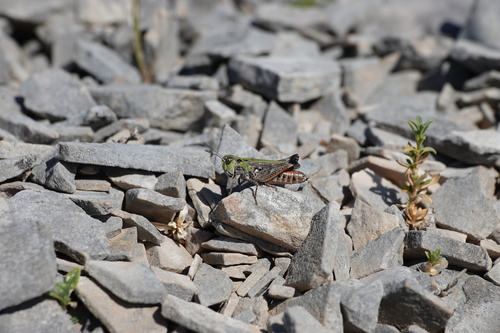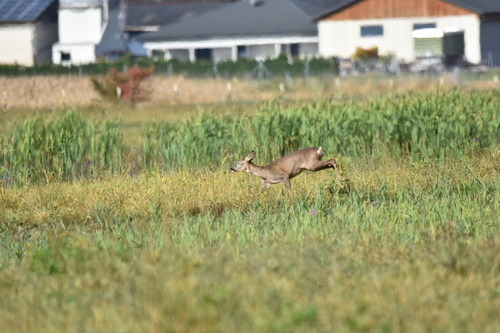


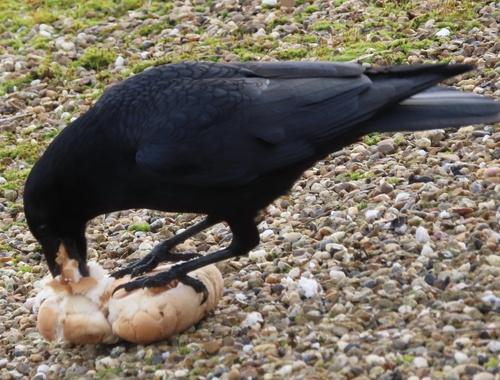


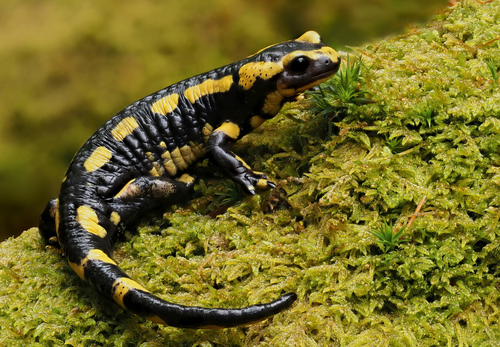





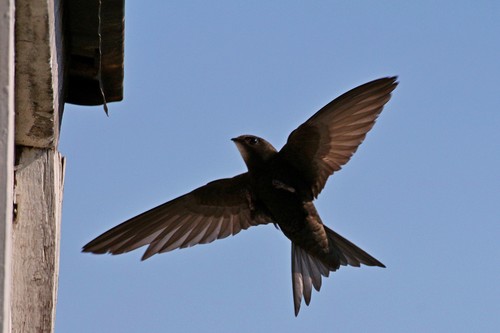

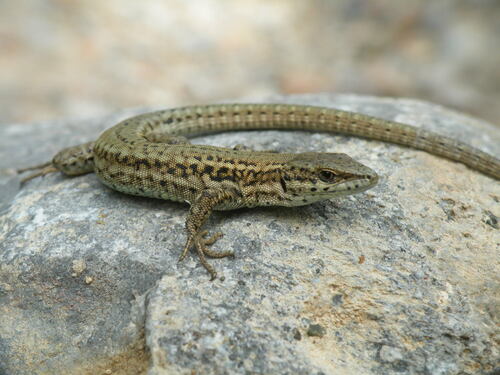


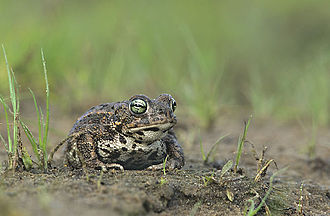


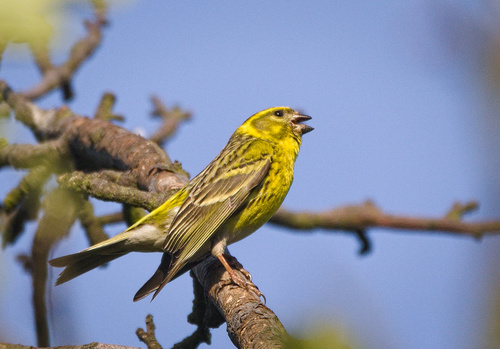



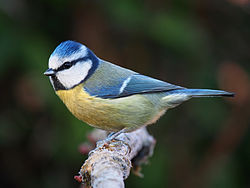


All 5 in 3 days here: ~50%
Cévennes National Park
🇫🇷 France
Western Europe, France 515 spp. recorded
Cévennes National Park lies in the heart of south‑central France, straddling the Massif Central and the Mediterranean foothills. Its rugged limestone ridges, deep valleys and patches of Mediterranean scrub create a mosaic of oak, pine and rocky outcrops that feels distinct from the neighboring Atlantic‑influenced reserves.
44.245° N 3.666° E
🦜 Nature

267 Species sighted
15,881 Verified sightings From 2019 to 2026
Jun Best month
⭐ Iconic Species
📊 Most Spotted
⭐ Iconic Species
📊 Most Spotted
⭐ Iconic Species
📊 Most Spotted
⭐ Iconic Species
📊 Most Spotted
📊 Most Spotted
📊 Most Spotted
⭐ Iconic Species
🌙 Most active after dark
+ 321 more species with insufficient data
Challenges you can complete here


All 2 in 3 days here: ~10%


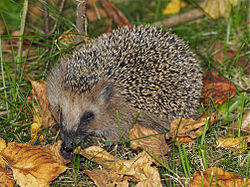
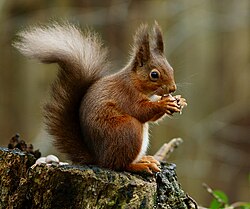
All 3 in 3 days here: ~10%

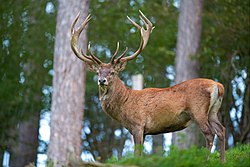

All 4 in 3 days here: ~20%
Recent sightings in Cévennes National Park
LIVEiNaturalistSighting Calendar
How many species you'd see in a day
37Jan
45Feb
57Mar
68Apr
110May
131Jun
114Jul
99Aug
86Sep
60Oct
49Nov
37Dec
Sighting Zones
Warmer areas are where all species together are recorded most often.
-
Le Fraissinet, Branoux-les-Taillades
-
Mas Roux
Daily sight. prob.vs avg -
Sébet Haut
Daily sight. prob.vs avg -
Maison des Vautours / Belvédère des Vautours
Daily sight. prob.vs avg














🏕️ Experience
Essentials
Entrance
Free
Tourism
High
Typical stay
1–2
daysTrails
Hard
World Heritage
No
Climate
Temp °C Rain mm
JanFebMarAprMayJunJulAugSepOctNovDec
0.0 Moderate
Wallace's Line Score
How good is this park for seeing wildlife? 🦜
Biodiversity
GoodHow rich is the wildlife?
3.4
Species by taxon
🦅 Birds 358
🐒 Mammals 100
🦎 Reptiles 39
🐸 Amphibians 18
515 Total Species
828 Global average across 316 parks
31 Threatened 13 Endemic
🔭
Sighting
GoodHow likely to see animals?
2.9
🎯
Top-12 Avg Probability
55% 📊
Coverage (153 species at ≥5% of 515 in the inventory)
30% 🔀
Taxon variety in top 12 (8 bird, 2 reptile, 2 amphibian)
67% 🔭
Species per 10 outings (distinct species a visitor would meet over 10 outings — effort held equal across parks)
89 🌟
Iconic-group species (≥15%) (every species from the 19 iconic groups — monkeys, cats, toucans, macaws, sloths, crocodilians… — not just the 4 highlighted above)
8 ⭐
High-prob species (>40%)
15 🏕️
Experience
GoodHow easy and pleasant is the visit?
2.8
Climate Harsh Low
Entrance Free High
Tourism High Low
Trails Hard Low
World Heritage No —
What visitors say
From the parking lots north of the Maison des Vautours (44°11'50.9"N 3°14'52.2"E – free and almost as good as the paid viewpoint) we quickly found 25 Crag Martins, 10 Alpine Swifts, 30 Red-Billed Choughs, many Griffon Vultures, and 2 Cinereous Vultures.
We spotted vultures circling overhead and enjoyed the dramatic drops and peaceful plateaus.
Our goal was the Cévennes, a mountainous area north of Montpellier.
At the top of the climb is the Causse Méjean, the last causse on the trip and perhaps the most spectacular (as I mentioned in Cévennes Trip: Day 5, “the causses are ‘haunting, windswept, desolate plateaux, used for sheep farming when they are used for anything, but most often absolutely wild'”).
Before you go
What animals can you see in Cévennes National Park?
515 species
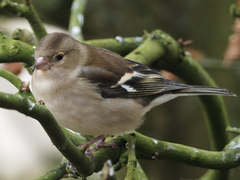
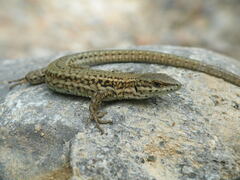
Cévennes National Park has 515 recorded vertebrate species. The ones wildlife watchers report most often on a given day are Chaffinch (about 70%), Common Wall Lizard (about 60%), Great Tit (about 60%), Western Green Lizard (about 60%) and Eurasian Blackbird (about 60%). Among mammals, the most-seen is Wild Boar (about 40%); among amphibians, Giant Toad (about 50%).
When is the best time to visit Cévennes National Park for wildlife?
March–June, September and November
In those months the park's 12 most-seen species average about 60% on a given day, against about 50% in July–August, October and December–February.
Can you see a Griffon Vulture in Cévennes National Park?
Yes
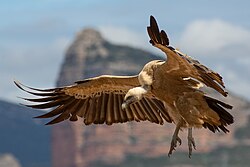
About 50% of wildlife watchers report a Griffon Vulture sighting in Cévennes National Park on a given day, based on 873 verified sightings from GBIF citizen-science data from 2019 to 2026. The best time is February (about 70%).
Can you see a Western Roe Deer in Cévennes National Park?
Yes
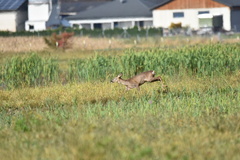
About 30% of wildlife watchers report a Western Roe Deer sighting in Cévennes National Park on a given day, based on 73 verified sightings from GBIF citizen-science data from 2019 to 2026. The best time is February–March and June (about 40%).
Can you see a Common Wall Lizard in Cévennes National Park?
Yes
About 60% of wildlife watchers report a Common Wall Lizard sighting in Cévennes National Park on a given day, based on 388 verified sightings from GBIF citizen-science data from 2019 to 2026. The best time is May to September (about 70%).
Where in Cévennes National Park is wildlife easiest to see?
Around Mont Brion
The richest sighting zone is around Mont Brion, followed by Le Fraissinet, Branoux-les-Taillades and Mas Roux, ranked by how many of the park's headline animals visitors can expect to see in each. See the zones on the map.
Is Cévennes National Park good for wildlife watching?
3.0 out of 5
On the Wallace's Line Score, Cévennes National Park rates 3.0/5: 288th of 316 parks worldwide and 19th in Europe. 21 of its species are reported by about 40% or more of wildlife watchers on a given day.