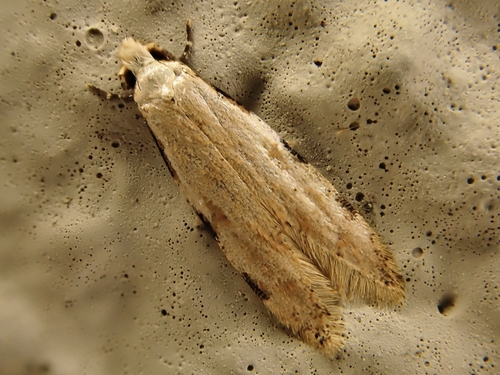
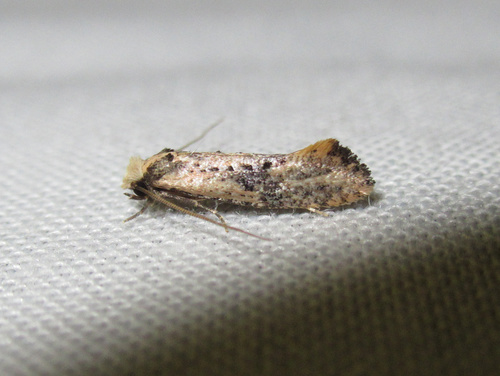
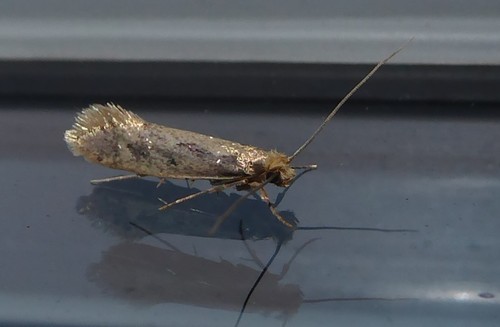
Erechthias capnitis

Erechthias capnitis

Erechthias capnitis

Daily sighting probability ~10% · With luck
at Auckland

In 3 days ~40% in a week ~70%

128 Verified sightings at Auckland
November Best month

About the Erechthias capnitis

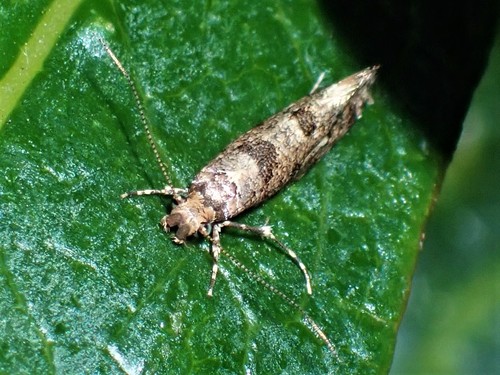
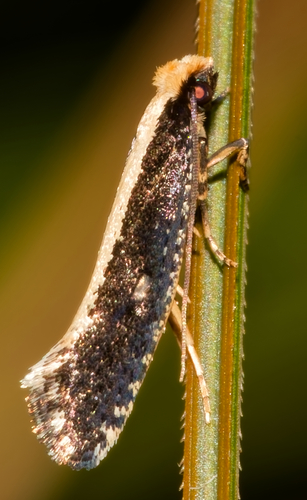
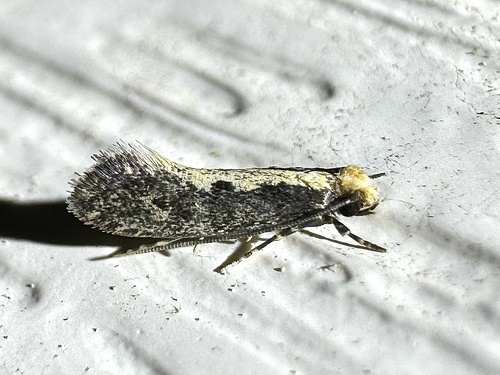
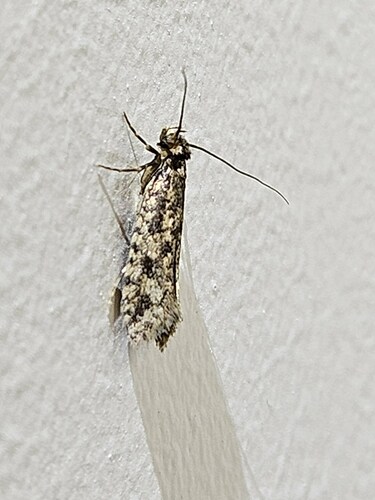
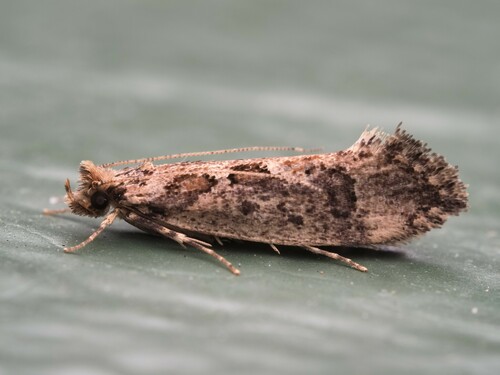
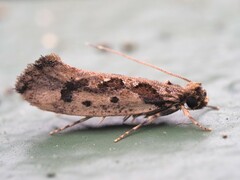
Erechthias capnitis is a moth of the family Tineidae, first described by Alfred Jefferis Turner in 1918. It is originally endemic to Norfolk Island and is recorded as having arrived in New Zealand by 1977. This species can be found in the north half of the North Island of New Zealand as well as in New Plymouth and Wellington. Larvae feed on dry dead wood as well as on Cordyline australis. Adult moths are on the wing throughout the year and are attracted to light.

This species was first described by Alfred Jefferis Turner in 1918 and was originally named Tinea capnitis. In 1956 John David Bradley placed this species in the genus Empaesta. This species is found in Norfolk Island and is widespread in the north half of the North Island. It was first recorded in New Zealand in 1977. As at 2024 it has also been recorded in New Plymouth and Wellington.

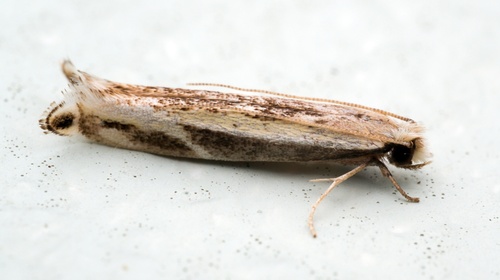
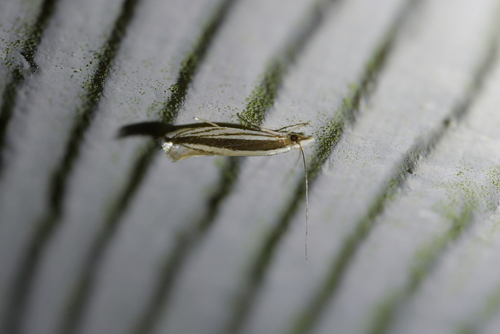
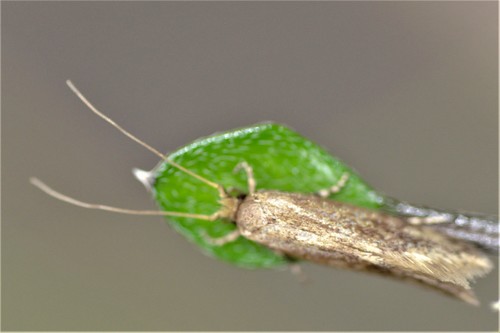
Turner described this species as follows: ♂, 17-18 mm. Head fuscous-whitish. Palpi 2+1⁄2; fuscous, inner surface whitish. Antennae pale fuscous; in male with joints enlarged at apices, minutely ciliated. Thorax fuscous. Abdomen ochreous-whitish, suffused with fuscous on dorsum. Legs fuscous... Wikipedia →
Global Distribution

Parks Where Found

# Park Country Daily sighting probability

More parks will be added in future updates.

Cities Where Found

# City Country Daily sighting probability
1 Auckland 🇳🇿 New Zealand
~10%

Before you go

What are the chances of seeing an Erechthias capnitis in Auckland?

With luck

About 10% of wildlife watchers report an Erechthias capnitis sighting in Auckland on a given day, based on 128 verified sightings from GBIF citizen-science data. It is the 54th most-seen of the 689 insects we can rate there. Over three days the chance rises to about 40%, and over a week to about 70%, if each day is a fresh chance.

When is the best time to see an Erechthias capnitis in Auckland?

May, July, September and November–December

In those months about 20% of wildlife watchers report an Erechthias capnitis in Auckland on a given day, against about 10% in January–April, June, August and October, the lowest months.

Where else can you see an Erechthias capnitis?

Only Auckland, in our data

Auckland is the only city on Wallace's Line with enough records to rate Erechthias capnitis sightings: about 10% of wildlife watchers there report one on a given day.

Where does the Erechthias capnitis sighting chance come from?

GBIF citizen-science records

It is estimated from how often the Erechthias capnitis is recorded against all the insects logged in Auckland (128 verified sightings), calibrated against known sighting rates. Figures are rounded to the nearest 10% because citizen-science data supports honest approximations, not decimals, and months with records from fewer than five people show "—". How it works.

← Back to Auckland