Sarcophaga crassipalpis

Sarcophaga crassipalpis

Sarcophaga crassipalpis

Daily sighting probability <5% · Rare
at Auckland

In 3 days ~10% in a week ~30%

11 Verified sightings at Auckland
March Best month

About the Sarcophaga crassipalpis

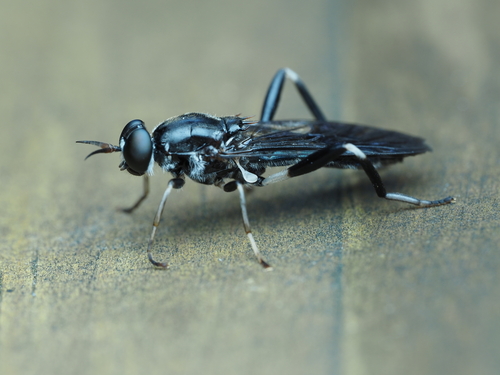
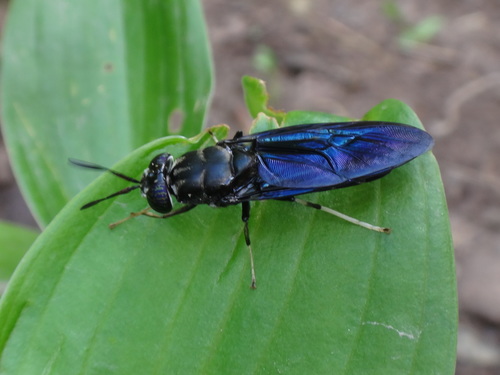
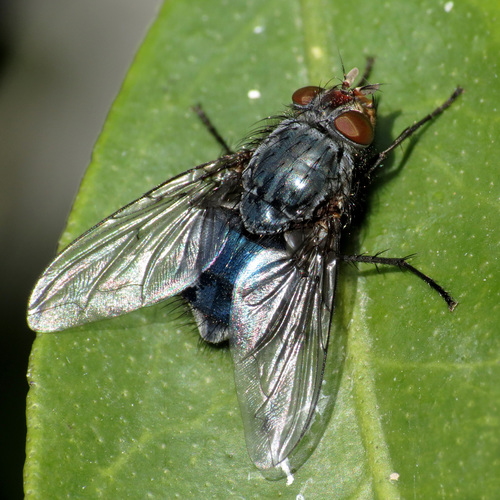
Sarcophaga crassipalpis is a species of flesh flies (insects in the family Sarcophagidae. It is a common laboratory animal used in the study of gene expression and the study of diapause in insects. Sarcophaga crassipalpis conforms to the basic bilateral symmetry body plan for arthropods and insects by possessing jointed-appendages, a sclerotized external cuticle, and an internal muscular system that functions as levers for movement.

The six legs possess a tarsus, or foot, with a pair of claws for gripping rough surfaces. Beneath the claws is a fleshy, glandular adhesive pad called a pulvillus, which is used on smooth surfaces. Sarcophaga crassipalpis is an insect in the order Diptera, meaning “two-winged”. As with other flies, S. crassipalpis has one pair of wings used for flying. Posterior to the wings is a small pair of knob-like structures (called halteres), which function as organs of balance.

Like other dipterans, S. crassipalpis reproduces utilizing complete metamorphosis, i.e. the life cycle consists of the following stages: egg, larva (called a maggot), pupa, and adult. Most notably, S. crassipalpis will enter diapause under very specific environmental stimuli. Photoperiod exposure received by embryos in the uterus is one factor in initiating diapause. It is sensitive to specific environmental stimuli in its early larval stage and then enters diapause as a pupa. Sarcophaga crassipalpis enters an overwintering pupal diapause in response to cues of a short day-length received during late embryonic and early larval life. Diapause in S. crassipalpis is not a complete cessation of gene expression. It is a separate developmental pathway that is expressed by another set of genes. It lays its eggs in open flesh wounds, typically the wounds of livestock. Pesticides have been designed to interfere with the normal development, killing only larva. Wikipedia →

Global Distribution

Parks Where Found

# Park Country Daily sighting probability

More parks will be added in future updates.

Cities Where Found

# City Country Daily sighting probability
1 Auckland 🇳🇿 New Zealand
<5%

Before you go

What are the chances of seeing a Sarcophaga crassipalpis in Auckland?

Rare

Under 5% of wildlife watchers report a Sarcophaga crassipalpis sighting in Auckland on a given day, based on 11 verified sightings from GBIF citizen-science data. It is the 395th most-seen of the 689 insects we can rate there. Over three days the chance rises to about 10%, and over a week to about 30%, if each day is a fresh chance.

When is the best time to see a Sarcophaga crassipalpis in Auckland?

January to March

In those months about 10% of wildlife watchers report a Sarcophaga crassipalpis in Auckland on a given day, against under 5% in April to December, the lowest months.

Where else can you see a Sarcophaga crassipalpis?

Only Auckland, in our data

Auckland is the only city on Wallace's Line with enough records to rate Sarcophaga crassipalpis sightings: under 5% of wildlife watchers there report one on a given day.

Which relatives of the Sarcophaga crassipalpis live in Auckland?

Same order: Diptera

The closest relatives of the Sarcophaga crassipalpis that you can see in Auckland (order Diptera, Flies) are Common Drone Fly (about 20%), Garden Soldier Fly (about 20%) and Austrosciapus proximus (about 10%), with each one's daily chance of a sighting.

Where does the Sarcophaga crassipalpis sighting chance come from?

GBIF citizen-science records

It is estimated from how often the Sarcophaga crassipalpis is recorded against all the insects logged in Auckland (11 verified sightings), calibrated against known sighting rates. Figures are rounded to the nearest 10% because citizen-science data supports honest approximations, not decimals, and months with records from fewer than five people show "—". How it works.

← Back to Auckland