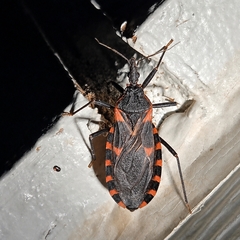
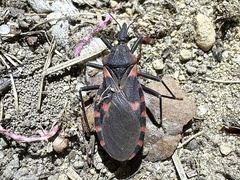
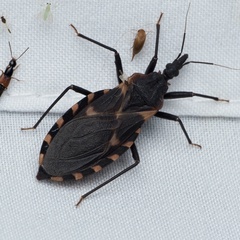
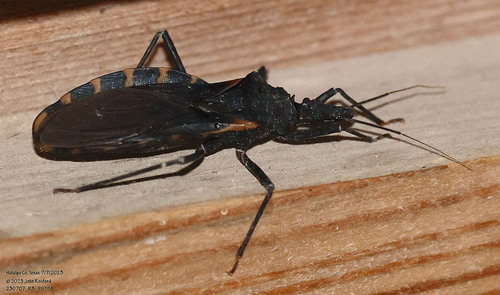
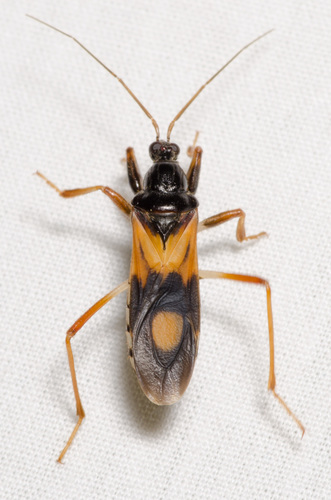
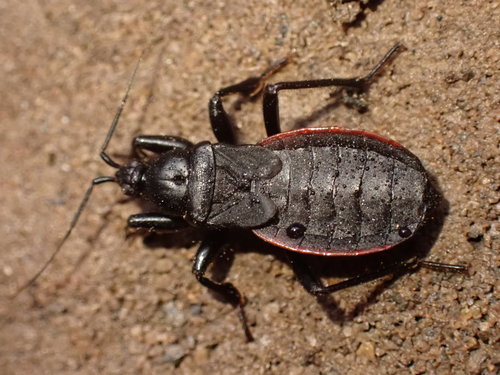
Eastern Bloodsucking Conenose

Eastern Bloodsucking Conenose

Triatoma sanguisuga

Daily sighting probability <5% · Rare
at Austin

In 3 days ~10% in a week ~20%

36 Verified sightings at Austin
6 In 1 park From 2019 to 2026
July Best month
☀️ Diurnal When it's spotted

About the Eastern Bloodsucking Conenose

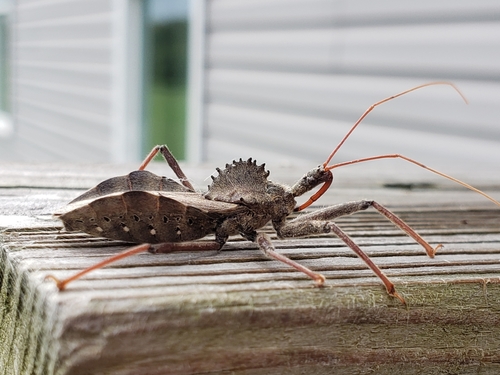
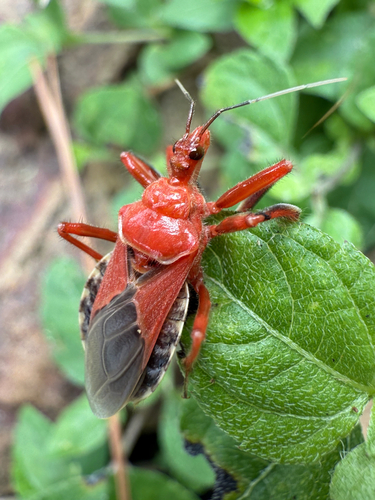
Triatoma sanguisuga, also known as the eastern bloodsucking conenose, is an insect of the Triatominae subfamily, known as kissing bugs. It was first described by John Lawrence LeConte in 1855 and named Conorhinus sanguisuga.

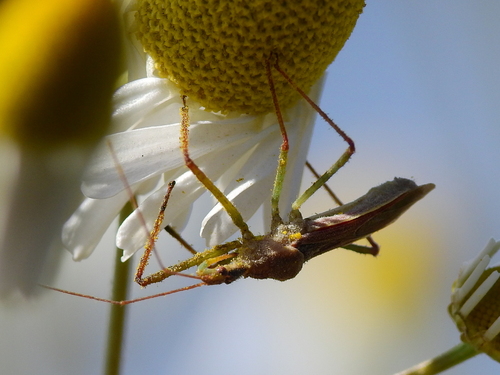
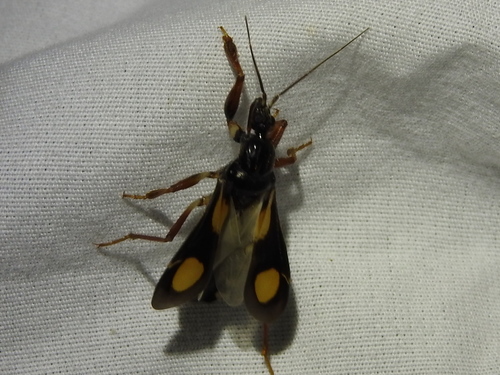
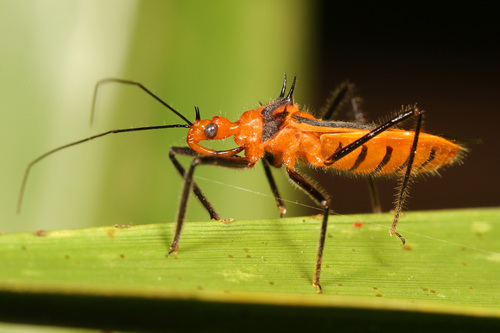
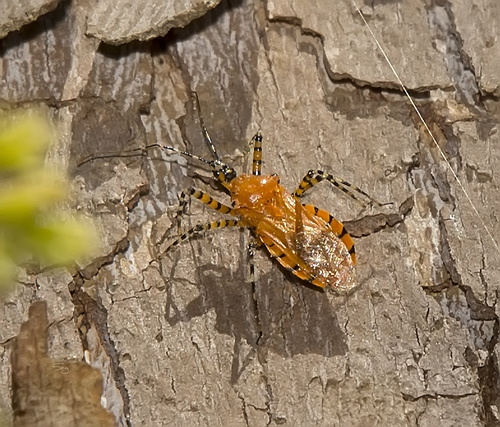
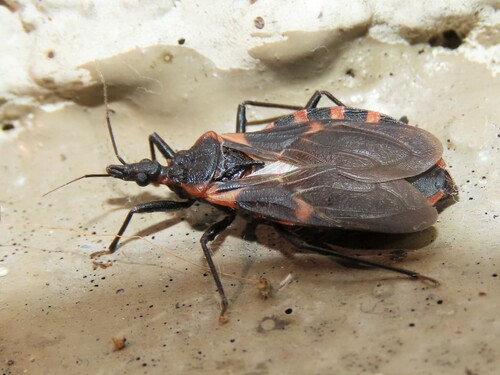
They are generally 16 to 21 mm long, black or dark brown, with six reddish-orange spots along each side of a wide abdomen. They are winged, have kinked, six-segmented antennae, and have a slender, tapered proboscis used for feeding.

It is found throughout North America and Latin America, and is common in the Southeastern United States.. Its range within the eastern United States is south of Pennsylvania, in the midwest north to Ohio and Missouri and in the southwest to Arizona.

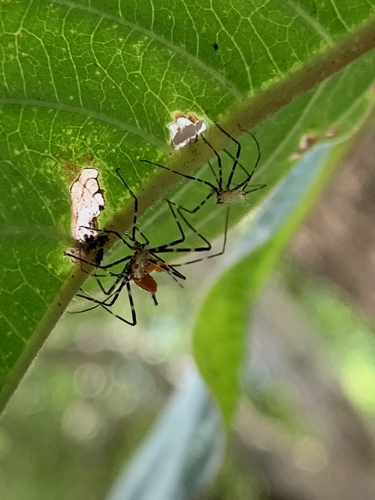
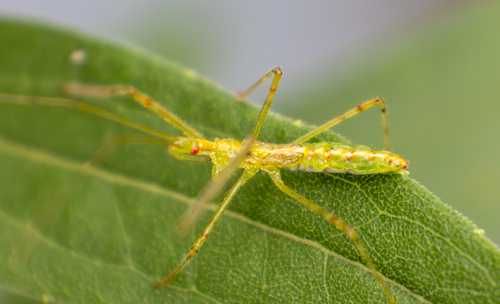
The female Triatoma sanguisuga typically lays eggs four to six days after a blood meal. One female may lay hundreds of eggs in its lifetime. After the egg hatches, the immature bug takes a blood meal and molts eight times before reaching maturity. Triatoma sanguisuga feeds on blood from mammals such as raccoons, rats, dogs, cats, and humans. In addition, tree frogs can be a significant source of food. Wikipedia →
Global Distribution

Parks Where Found

# Park Country Daily sighting probability
1 Great Smoky Mountains National Park 🇺🇸 United States
<5%

More parks will be added in future updates.

Cities Where Found

# City Country Daily sighting probability
1 Austin 🇺🇸 United States
<5%
2 Dallas 🇺🇸 United States
<5%
3 Washington 🇺🇸 United States
<5%

Before you go

What are the chances of seeing an Eastern Bloodsucking Conenose in Austin?

Rare

Under 5% of wildlife watchers report an Eastern Bloodsucking Conenose sighting in Austin on a given day, based on 36 verified sightings from GBIF citizen-science data. It is the 626th most-seen of the 1624 insects we can rate there. Over three days the chance rises to about 10%, and over a week to about 20%, if each day is a fresh chance.

When is the best time to see an Eastern Bloodsucking Conenose in Austin?

July and August

In those months about 10% of wildlife watchers report an Eastern Bloodsucking Conenose in Austin on a given day, against under 5% in September to June, the lowest months.

What time of day is best to see an Eastern Bloodsucking Conenose?

Between 9 am and noon

Across all the parks we cover, that three-hour window holds the most Eastern Bloodsucking Conenose sightings with a recorded time, and nearly all of them come between 6 am and 6 pm: it is a daytime animal.

Is Austin the best place to see an Eastern Bloodsucking Conenose?

Yes

Of the 3 cities where we can rate Eastern Bloodsucking Conenose sightings, Austin has the highest daily chance: under 5%. Next come Dallas (United States, under 5%) and Washington (United States, under 5%).

Where does the Eastern Bloodsucking Conenose sighting chance come from?

GBIF citizen-science records

It is estimated from how often the Eastern Bloodsucking Conenose is recorded against all the insects logged in Austin (36 verified sightings), calibrated against known sighting rates. Figures are rounded to the nearest 10% because citizen-science data supports honest approximations, not decimals, and months with records from fewer than five people show "—". How it works.

← Back to Austin