



















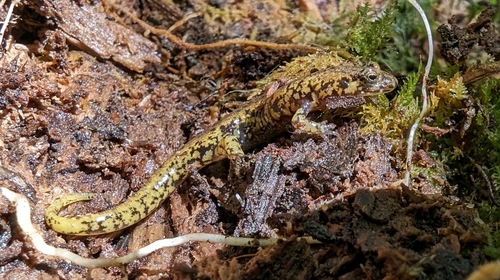


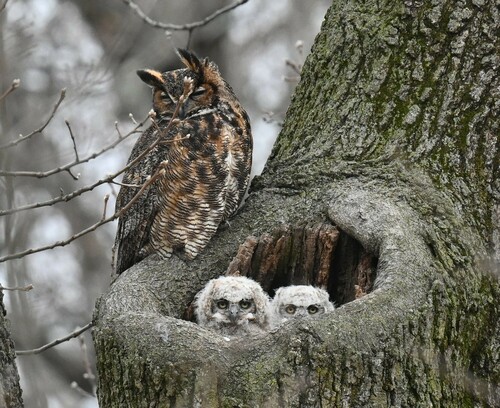




All 4 in 3 days here: ~50%
Great Smoky Mountains National Park
🇺🇸 United States
Appalachians, United States 543 spp. recorded
Great Smoky Mountains National Park is a temperate forest in the southern Appalachian range of the United States. It is known for rolling ridges cloaked in hardwood and spruce‑fir stands, mist that often hangs over the valleys, and a network of shaded trails that weave through old‑growth woods.
35.570° N 83.628° W
🦜 Nature

330 Species sighted
140,126 Verified sightings From 2019 to 2026
Jul Best month
⭐ Iconic Species
📊 Most Spotted
⭐ Iconic Species
📊 Most Spotted
📊 Most Spotted
📊 Most Spotted
⭐ Iconic Species
📊 Most Spotted
📊 Most Spotted
🌙 Most active after dark
+ 275 more species with insufficient data
Challenges you can complete here


All 3 in 3 days here: ~20%


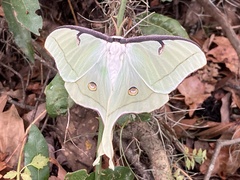
All 3 in 3 days here: ~30%


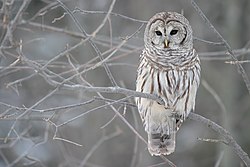
All 4 in 3 days here: <5%
Recent sightings in Great Smoky Mountains National Park
LIVEiNaturalistSounds of Great Smoky Mountains National Park
Sighting Calendar
How many species you'd see in a day
34Jan
37Feb
52Mar
74Apr
89May
94Jun
95Jul
85Aug
82Sep
68Oct
54Nov
36Dec
Sighting Zones
Warmer areas are where all species together are recorded most often.
-
Kuwohi (NC), Previously Clingmans Dome
Daily sight. prob.vs avg American Red Squirrel~90%+50%
 Red-cheeked Salamander~80%+30%
 Spring Salamander~80%+40%
 Pygmy Salamander~70%+30%
 Blue Ridge Two-lined Salamander~70%+10%
 Common Garter Snake~50%+10%
 Imitator Salamander~50%+10%
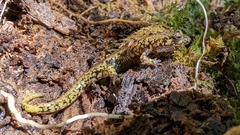 Cherokee Mountain Dusky Salamander~50%+20%
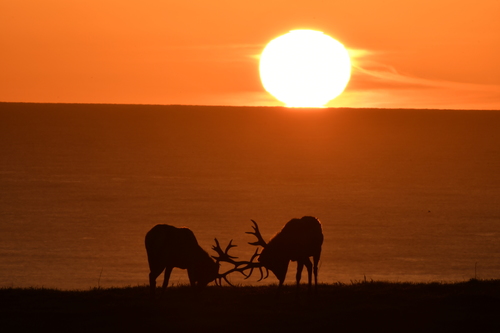
 Elk (wapiti)~50%-30%
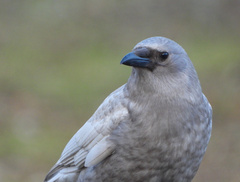 American Crow~40%-40%
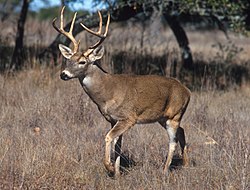 White-tailed Deer~40%-20%
 Seal Salamander~40%≈
-
Tremont Institute
Daily sight. prob.vs avg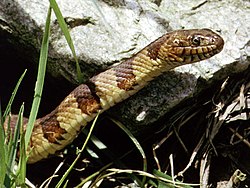 Common Watersnake~70%+30%
- Blue Ridge Two-lined Salamander~70%+20%
 Eastern Copperhead~70%+40%
 American Toad~60%+30%
- Seal Salamander~60%+20%
 Red Salamander~60%+20%
 American Black Bear~50%-30%
 Eastern/Central Ratsnake Complex~50%+10%
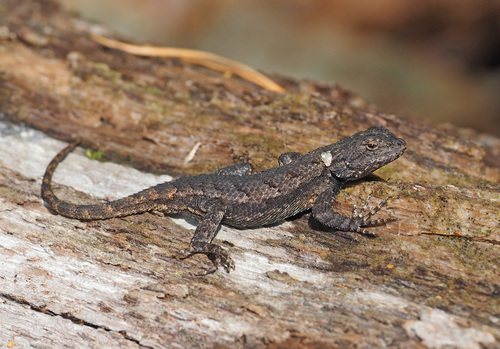
 Eastern Fence Lizard~50%+20%
 Ringneck Snake~50%+20%
- Spring Salamander~50%+10%
 Eastern Worm Snake~50%+30%
-
Twin Creeks Trail
Daily sight. prob.vs avg- American Black Bear~90%+10%
- Common Watersnake~70%+20%
- White-tailed Deer~60%≈
- Red-cheeked Salamander~60%+10%
- Imitator Salamander~60%+20%
 Eastern Chipmunk~60%+30%
- Blue Ridge Two-lined Salamander~60%≈
- Eastern/Central Ratsnake Complex~50%+10%
 Eastern Gray Squirrel~50%+10%
 Carolina Wren~40%-30%
- Spring Salamander~40%≈
 Southern Red-backed Salamander~40%+10%
-
Cades Cove
Daily sight. prob.vs avg -
Sugarlands Visitors Center
Daily sight. prob.vs avg- American Black Bear~90%+10%
- Common Watersnake~80%+30%
- Red-cheeked Salamander~50%≈
- Blue Ridge Two-lined Salamander~50%≈
- Eastern Copperhead~50%+20%
- Imitator Salamander~50%+10%
 Common Five-lined Skink~50%+10%
- Eastern Gray Squirrel~50%+10%
- Carolina Wren~40%-30%
- Seal Salamander~40%≈
- Southern Red-backed Salamander~40%+10%
- Eastern/Central Ratsnake Complex~40%≈


🏕️ Experience
Essentials
Climate
Temp °C Rain mm
JanFebMarAprMayJunJulAugSepOctNovDec
0.0 Good
Wallace's Line Score
How good is this park for seeing wildlife? 🦜
Biodiversity
Very goodHow rich is the wildlife?
4.2
Species by taxon
🦅 Birds 336
🐒 Mammals 86
🦎 Reptiles 53
🐸 Amphibians 68
543 Total Species
828 Global average across 316 parks
17 Threatened 64 Endemic
🔭
Sighting
Very goodHow likely to see animals?
3.4
🎯
Top-12 Avg Probability
66% 📊
Coverage (179 species at ≥5% of 543 in the inventory)
33% 🔀
Taxon variety in top 12 (7 bird, 3 mammal, 2 amphibian)
76% 🔭
Species per 10 outings (distinct species a visitor would meet over 10 outings — effort held equal across parks)
89 🌟
Iconic-group species (≥15%) (every species from the 19 iconic groups — monkeys, cats, toucans, macaws, sloths, crocodilians… — not just the 4 highlighted above)
6 ⭐
High-prob species (>40%)
26 🏕️
Experience
GoodHow easy and pleasant is the visit?
3.0
Climate Harsh Low
Entrance Free High
Tourism High Low
Trails Hard Low
World Heritage Yes Bonus
What visitors say
We saw so many during our visit that we actually lost count! (But we'd gotten well into the double-digits.) The National Park Service estimates that there are currently around 1,900 bears in the park, which works out to a population density of two bears per square mile.
I was at visitor center, I watched two coyotes hunting some wild turkeys in the fields adjacent to the parking lot: they went home hungry.
We were fortunate to see bears, including cubs, during both visits.
Within minutes of entering the loop, we spotted a mama bear and her cub crossing the road right in front of us!
Before you go
What animals can you see in Great Smoky Mountains National Park?
543 species
Great Smoky Mountains National Park has 543 recorded vertebrate species. The ones wildlife watchers report most often on a given day are American Crow (about 80%), American Black Bear (about 80%), Elk (wapiti) (about 70%), Carolina Wren (about 70%) and Carolina Chickadee (about 70%). Among reptiles, the most-seen is Common Watersnake (about 50%); among amphibians, Blue Ridge Two-lined Salamander (about 50%).
When is the best time to visit Great Smoky Mountains National Park for wildlife?
March–April and October–December
In those months the park's 12 most-seen species average about 70% on a given day, against about 60% in January–February and May–September.
Can you see an American Black Bear in Great Smoky Mountains National Park?
Yes
About 80% of wildlife watchers report an American Black Bear sighting in Great Smoky Mountains National Park on a given day, based on 2,148 verified sightings from GBIF citizen-science data from 2019 to 2026. The best time is August and November (about 90%).
Can you see an Elk (wapiti) in Great Smoky Mountains National Park?
Yes
About 70% of wildlife watchers report an Elk (wapiti) sighting in Great Smoky Mountains National Park on a given day, based on 1,900 verified sightings from GBIF citizen-science data from 2019 to 2026. The best time is March and August–January (about 80%).
Can you see a Red-cheeked Salamander in Great Smoky Mountains National Park?
Yes
About 50% of wildlife watchers report a Red-cheeked Salamander sighting in Great Smoky Mountains National Park on a given day, based on 955 verified sightings from GBIF citizen-science data from 2019 to 2026. The best time is May (about 70%).
Can you see a White-tailed Deer in Great Smoky Mountains National Park?
Yes
About 60% of wildlife watchers report a White-tailed Deer sighting in Great Smoky Mountains National Park on a given day, based on 794 verified sightings from GBIF citizen-science data from 2019 to 2026. The best time is November and December (about 80%).
Where in Great Smoky Mountains National Park is wildlife easiest to see?
Around Kuwohi (NC), Previously Clingmans Dome
The richest sighting zone is around Kuwohi (NC), Previously Clingmans Dome, followed by Tremont Institute and Twin Creeks Trail, ranked by how many of the park's headline animals visitors can expect to see in each. See the zones on the map.
Is Great Smoky Mountains National Park good for wildlife watching?
3.6 out of 5
On the Wallace's Line Score, Great Smoky Mountains National Park rates 3.6/5: 164th of 316 parks worldwide and 15th in North America. 36 of its species are reported by about 40% or more of wildlife watchers on a given day.


