City
Baku
🇦🇿 Azerbaijan
Asia, Azerbaijan 127 spp. recorded
Baku is the capital and largest city of Azerbaijan, as well as the largest city on the Caspian Sea and in the Caucasus region. Baku lies on the southern shore of the Absheron Peninsula, along the Bay of Baku. Baku's urban population is estimated at over two million people. Wikipedia
40.408° N 49.856° E
🦜 Nature

127 Species sighted
1,495 Verified sightings From 2019 to 2026
Jun Best month
⭐ Iconic Species


📊 Most Spotted










📊 Most Spotted

LC
 Red Fox
Vulpes vulpes

LC
 Eurasian Red Squirrel
Sciurus vulgaris

LC
Brown Rat
Rattus norvegicus
⭐ Iconic Species
📊 Most Spotted
⭐ Iconic Species
📊 Most Spotted

Caspian Turtle
Mauremys caspica
LC
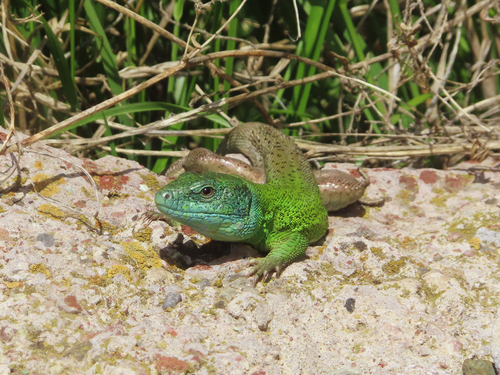
Caspian Green Lizard
Lacerta strigata
LC
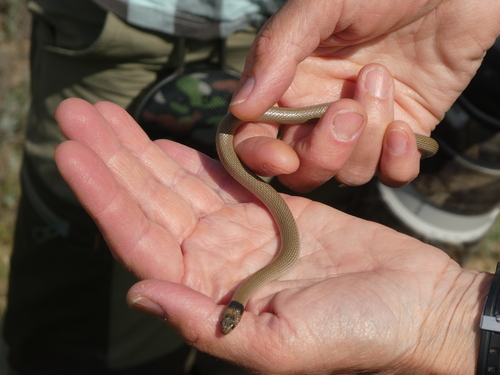
Collared Dwarf Snake
Eirenis collaris


📊 Most Spotted
⭐ Iconic Species
🌙 Most active after dark
LC
Red Fox
Vulpes vulpes

LC
 Blyth's Reed Warbler
Acrocephalus dumetorum

LC
 Common Nightingale
Luscinia megarhynchos

LC
 Red-breasted Flycatcher
Ficedula parva

LC
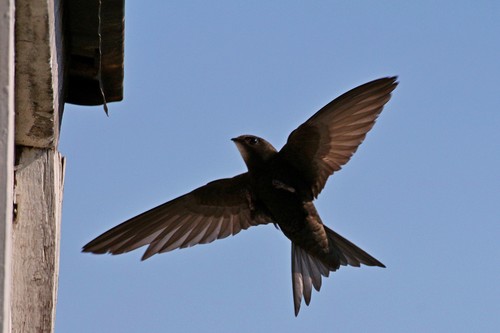
 Alpine Swift
Tachymarptis melba

LC
 Goldcrest
Regulus regulus

LC
 Eurasian Siskin
Spinus spinus
Recent sightings in Baku
LIVEiNaturalistWhere to look
Warmer areas are where all species together are recorded most often.




Sighting Calendar
How many species you'd see in a day
7.3Jan
6.3Feb
8.2Mar
8.8Apr
10May
10Jun
9.7Jul
7.8Aug
7.1Sep
9.6Oct
7Nov
6.9Dec
🏙️ City
Essentials
Green cover
Low
Protected land
—
Protected sea
—
Protected areas
—
Wildlife spots
1
spotsZoos & centres
1
placesClimate
Cold desert
Climate
Temp °C Rain mm
JanFebMarAprMayJunJulAugSepOctNovDec
Zoos & rescue centres

0.0 Moderate
Wallace's Line Score
How good is this city for seeing wildlife? 🦜
Biodiversity
GoodHow rich is the wildlife?
3.1
Species by taxon
🦅 Birds 318
🐒 Mammals 69
🦎 Reptiles 31
🐸 Amphibians 4
422 Total Species
679 Global average across 380 cities
19 Threatened 0 Endemic
🔭
Sighting
GoodHow likely to see animals?
2.5
🎯
Top-12 Avg Probability
34% 📊
Coverage (54 species at ≥5% of 422 in the inventory)
13% 🔀
Taxon variety in top 12 (8 bird, 2 mammal, 1 reptile, 1 amphibian)
69% 🌟
Iconic-group species (≥15%) (every species from the 19 iconic groups — monkeys, cats, toucans, macaws, sloths, crocodilians… — not just the 4 highlighted above)
2 ⭐
High-prob species (>40%)
3 🏕️
Experience
GoodHow easy and pleasant is the visit?
2.9
Climate Mixed Medium
Green cover Low Low
Protected land & sea — Low
Protected areas 0 Low
Wildlife spots 1 Low
Zoos & centres 1 Medium
What visitors say
Before you go
What animals can you see in Baku?
127 species
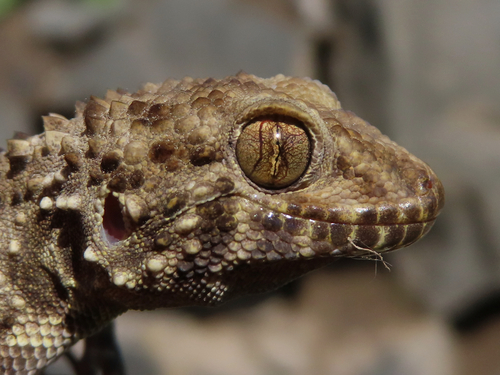
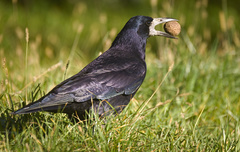
Baku's urban area has 127 recorded vertebrate species. The ones wildlife watchers report most often on a given day are Hooded Crow (about 70%), Rock Pigeon (about 60%), Caspian Bent-toed Gecko (about 40%), House Sparrow (about 40%) and Rook (about 30%). Among amphibians, the most-seen is Green Toad (about 30%).
When is the best time to see wildlife in Baku?
May to July
In those months the city's 12 most-seen species average about 40% on a given day, against about 20% in December and January. Those are among Baku's driest months, with about 5 mm of rain a month against 25 mm in November.
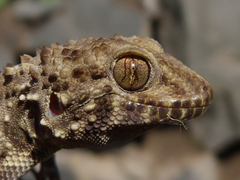
Can you see a Caspian Bent-toed Gecko in Baku?
Yes
About 40% of wildlife watchers report a Caspian Bent-toed Gecko sighting in Baku on a given day, based on 33 verified sightings from GBIF citizen-science data from 2019 to 2026. The best time is August and November (about 70%).
Can you see a Hooded Crow in Baku?
Yes
About 70% of wildlife watchers report a Hooded Crow sighting in Baku on a given day, based on 171 verified sightings from GBIF citizen-science data from 2019 to 2026. The best time is November (about 80%).
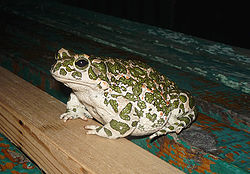
Can you see a Green Toad in Baku?
Yes
About 30% of wildlife watchers report a Green Toad sighting in Baku on a given day, based on 6 verified sightings from GBIF citizen-science data from 2019 to 2026. The best time is July (about 60%).
Is Baku good for wildlife watching?
2.7 out of 5
On the Wallace's Line Score, which rates each city against other cities, Baku gets 2.7/5: 365th of 380 cities worldwide and 155th in Asia. 4 of its species are reported by about 40% or more of wildlife watchers on a given day.


Nearest Parks


Nearest Zoos & Centres


Sources: urban area GHSL Urban Centre Database R2024A, European Commission JRC (CC BY 4.0) · protected land WDPA, UNEP-WCMC & IUCN (via GHSL) · climate NASA POWER · wildlife GBIF.org citizen-science data