


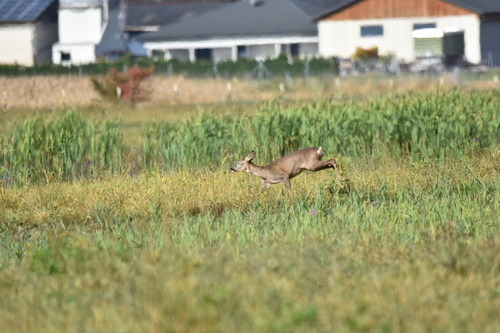


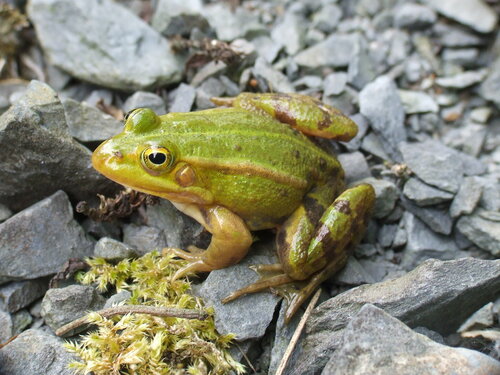


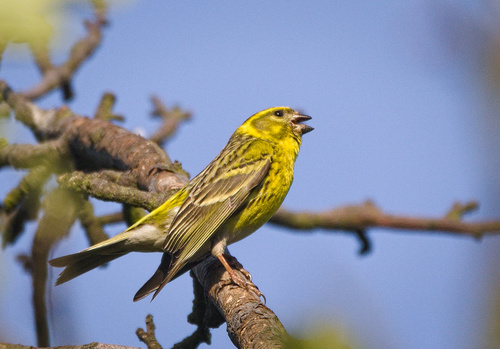


All 3 in 3 days here: ~50%
Białowieża National Park
🇵🇱 Poland
Eastern Europe, Poland 445 spp. recorded
Białowieża National Park is a temperate forest straddling the border of Poland and Belarus in Eastern Europe. It protects a mosaic of ancient woodlands, meadows and wetlands, where towering oaks and silver birches create a layered canopy.
52.857° N 24.177° E
🦜 Nature

271 Species sighted
38,920 Verified sightings From 2019 to 2026
May Best month
⭐ Iconic Species
📊 Most Spotted
⭐ Iconic Species
📊 Most Spotted
⭐ Iconic Species
📊 Most Spotted
📊 Most Spotted
📊 Most Spotted
📊 Most Spotted
🌙 Most active after dark
+ 229 more species with insufficient data





Recent sightings in Białowieża National Park
LIVEiNaturalistSighting Calendar
How many species you'd see in a day
33Jan
37Feb
42Mar
54Apr
77May
74Jun
65Jul
67Aug
59Sep
45Oct
39Nov
36Dec
Sighting Zones
Warmer areas are where all species together are recorded most often.
-
Siemianówka Lake · Maruszka area
-
Palace Park & Ponds
Daily sight. prob.vs avg



🏕️ Experience
Essentials
Climate
Temp °C Rain mm
JanFebMarAprMayJunJulAugSepOctNovDec
0.0 Good
Wallace's Line Score
How good is this park for seeing wildlife? 🦜
Biodiversity
GoodHow rich is the wildlife?
3.0
Species by taxon
🦅 Birds 336
🐒 Mammals 87
🦎 Reptiles 9
🐸 Amphibians 13
445 Total Species
828 Global average across 316 parks
20 Threatened 10 Endemic
🔭
Sighting
ExcellentHow likely to see animals?
4.0
🎯
Top-12 Avg Probability
72% 📊
Coverage (178 species at ≥5% of 445 in the inventory)
40% 🔀
Taxon variety in top 12 (8 bird, 2 amphibian, 1 mammal, 1 reptile)
69% 🔭
Species per 10 outings (distinct species a visitor would meet over 10 outings — effort held equal across parks)
124 🌟
Iconic-group species (≥15%) (every species from the 19 iconic groups — monkeys, cats, toucans, macaws, sloths, crocodilians… — not just the 4 highlighted above)
13 ⭐
High-prob species (>40%)
38 🏕️
Experience
Very goodHow easy and pleasant is the visit?
3.9
Climate Harsh Low
Entrance Paid Low
Tourism Medium Medium
Trails Easy High
World Heritage Yes Bonus
What visitors say
Along the way, we spotted various birds, including Ravens, Kestrels, Great white egrets, Cranes, and of course, White storks.
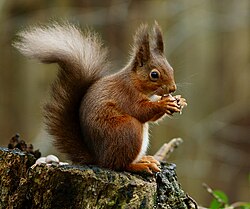
Red Squirrel There were no raptors over the meadows but we saw 3 Woodlark, heard Marsh Warbler and Corn Bunting and some more of the frequently seen White Storks, and often heard but not always seen Common Crane.
Nearby Marsh Tits, Nuthatches and Hawfinches were actively feeding, while on the walk back to the bus we heard and then watched our first Wood Warbler singing beautifully beside the path.
Bialowiesa is a great place for fungi, like these Dead Man's Fingers (Photos: Me) --- I was expecting a cacophony of noise, like the Amazon forest, but it was largely quiet; occasional bird calls - we saw one owl swooping past us, the odd woodpecker.
Before you go
What animals can you see in Białowieża National Park?
445 species
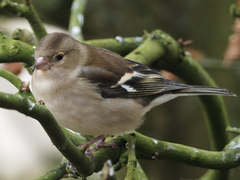
Białowieża National Park has 445 recorded vertebrate species. The ones wildlife watchers report most often on a given day are Wisent (about 90%), Chaffinch (about 80%), grass snake (about 80%), Great Spotted Woodpecker (about 70%) and Eurasian Blackbird (about 70%). Among amphibians, the most-seen is European Toad (about 70%).
When is the best time to visit Białowieża National Park for wildlife?
April–May and July
In those months the park's 12 most-seen species average about 80% on a given day, against about 40% in November to February.
Can you see a Wisent in Białowieża National Park?
Yes
About 90% of wildlife watchers report a Wisent sighting in Białowieża National Park on a given day, based on 270 verified sightings from GBIF citizen-science data from 2019 to 2026. The best time is December to February (over 90%).
Can you see a Black Woodpecker in Białowieża National Park?
Yes
About 50% of wildlife watchers report a Black Woodpecker sighting in Białowieża National Park on a given day, based on 502 verified sightings from GBIF citizen-science data from 2019 to 2026. The best time is February (about 70%).
Can you see a Chaffinch in Białowieża National Park?
Yes
About 80% of wildlife watchers report a Chaffinch sighting in Białowieża National Park on a given day, based on 1,327 verified sightings from GBIF citizen-science data from 2019 to 2026. The best time is April to June (about 90%).
Where in Białowieża National Park is wildlife easiest to see?
Around Kamieniuki
The richest sighting zone is around Kamieniuki, followed by Kosy Most and Siemianówka Lake · Maruszka area, ranked by how many of the park's headline animals visitors can expect to see in each. See the zones on the map.
Is Białowieża National Park good for wildlife watching?
3.7 out of 5
On the Wallace's Line Score, Białowieża National Park rates 3.7/5: 152nd of 316 parks worldwide and 1st in Europe. 50 of its species are reported by about 40% or more of wildlife watchers on a given day.


