Yellow-Green Austral-Nomia

Yellow-Green Austral-Nomia

Lipotriches flavoviridis

Daily sighting probability <5% · Rare
at Brisbane

In 3 days ~10% in a week ~20%

23 Verified sightings at Brisbane
February Best month

About the Yellow-Green Austral-Nomia

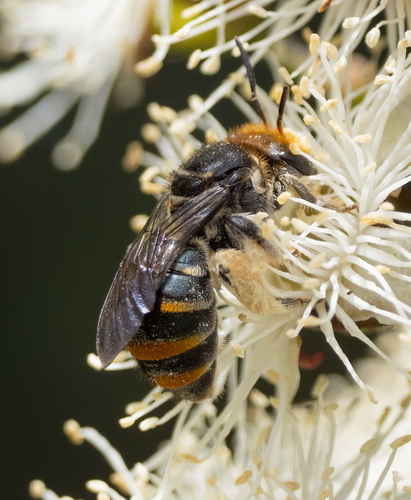
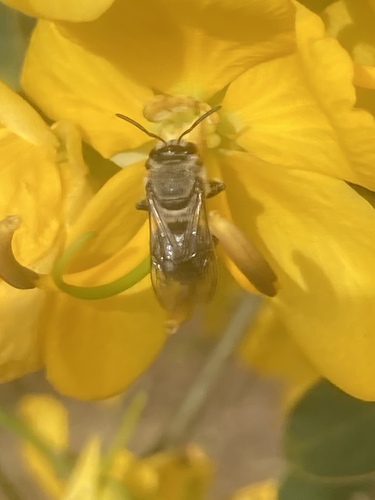
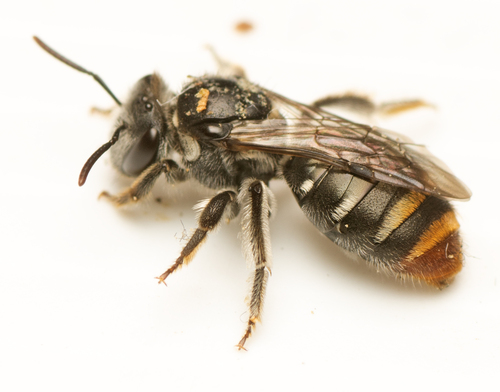
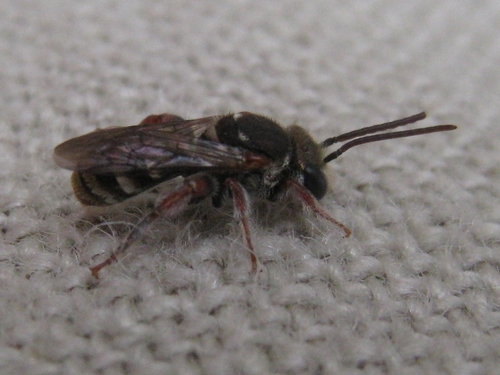
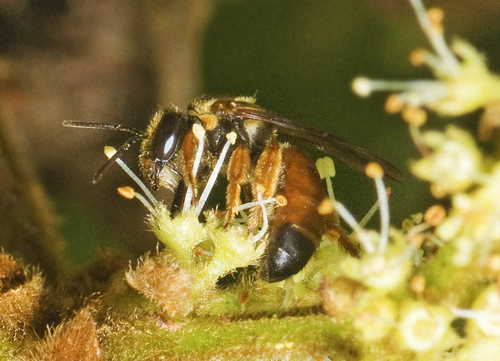
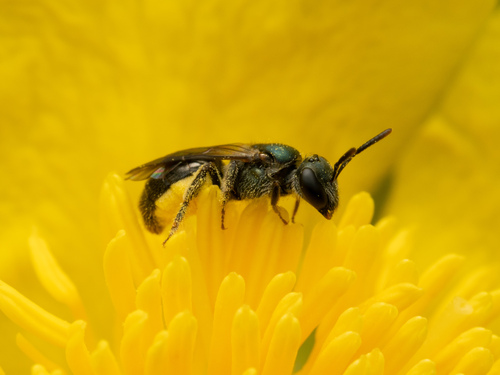
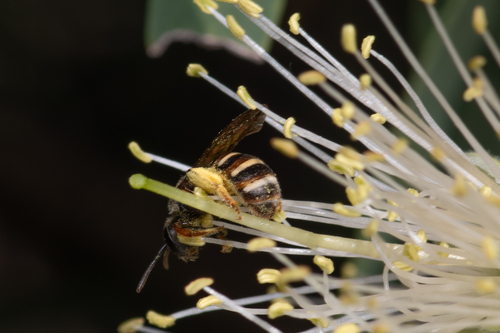
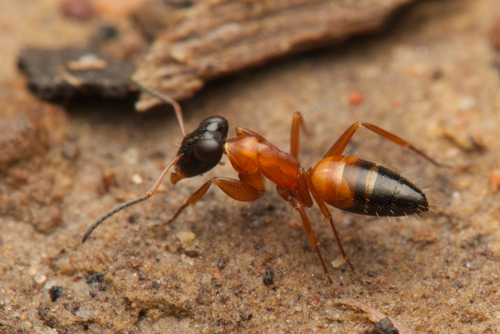
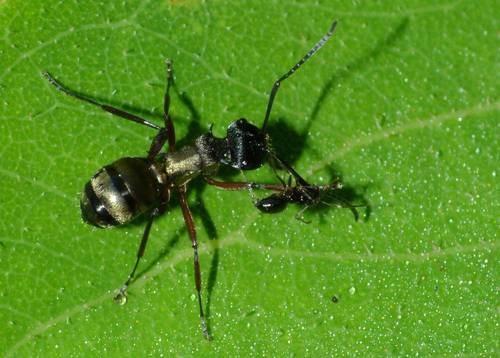
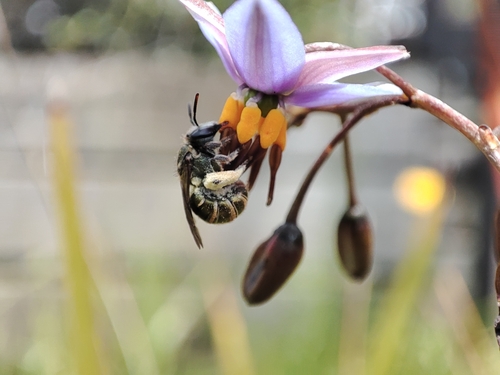
Lipotriches flavoviridis is a species of bee in the family Halictidae. It was first described by Theodore Cockerell in 1905. It is found in mainland Australia, as well as Indonesia, Papua New Guinea and Solomon Islands. It ranges in colour from dark metallic green to shiny gold, occasionally with crimson iridescence. They are approximately 7mm long, and the end of the abdomen is red in females. Nesting takes place in underground burrows.

The male was first described by Theodore Cockerell in 1905, when it was given the name Nomia flavoviridis. The specific name means “yellow-green” in latin, in reference to the yellowish green colour of the head, thorax and much of the abdomen. The type specimen is from Mackay, Queensland.

The female was first described by German entomologist Heinrich Friese in 1912. That type specimen was collected near Sialum, Papua New Guinea, and he named it Nomia aenescens. Some females collected from the Perth area in Western Australia were named as a new variety by Tarlton Rayment in 1931. He called them Nomia flavoviridis rubra, in reference to the crimson iridescence on the mesothorax.

Subsequent work by American entomologist Charles D. Michener... Wikipedia →
Global Distribution

Parks Where Found

# Park Country Daily sighting probability

More parks will be added in future updates.

Cities Where Found

# City Country Daily sighting probability
1 Brisbane 🇦🇺 Australia
<5%
2 Melbourne 🇦🇺 Australia
<5%

Before you go

What are the chances of seeing a Yellow-Green Austral-Nomia in Brisbane?

Rare

Under 5% of wildlife watchers report a Yellow-Green Austral-Nomia sighting in Brisbane on a given day, based on 23 verified sightings from GBIF citizen-science data. It is the 554th most-seen of the 1083 insects we can rate there. Over three days the chance rises to about 10%, and over a week to about 20%, if each day is a fresh chance.

When is the best time to see a Yellow-Green Austral-Nomia in Brisbane?

February and October

In those months about 10% of wildlife watchers report a Yellow-Green Austral-Nomia in Brisbane on a given day, against under 5% in March–September and November–January, the lowest months.

Is Brisbane the best place to see a Yellow-Green Austral-Nomia?

Yes

Of the 2 cities where we can rate Yellow-Green Austral-Nomia sightings, Brisbane has the highest daily chance: under 5%. Next come Melbourne (Australia, under 5%).

Where does the Yellow-Green Austral-Nomia sighting chance come from?

GBIF citizen-science records

It is estimated from how often the Yellow-Green Austral-Nomia is recorded against all the insects logged in Brisbane (23 verified sightings), calibrated against known sighting rates. Figures are rounded to the nearest 10% because citizen-science data supports honest approximations, not decimals, and months with records from fewer than five people show "—". How it works.

← Back to Brisbane