


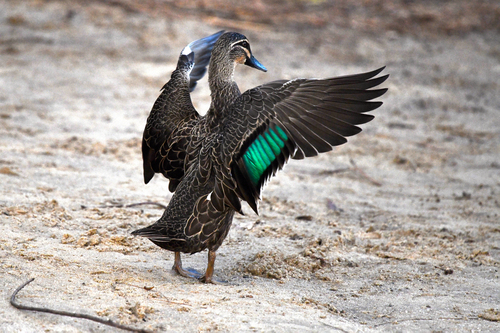
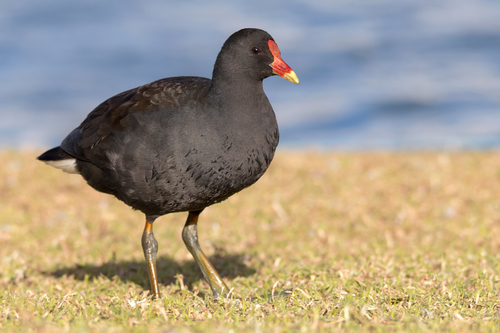





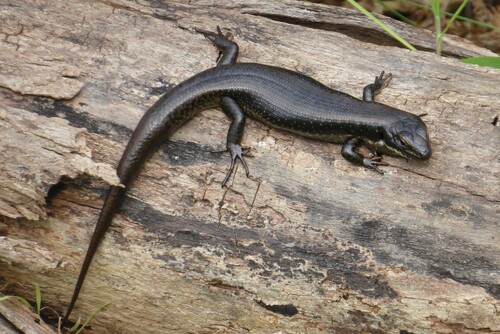

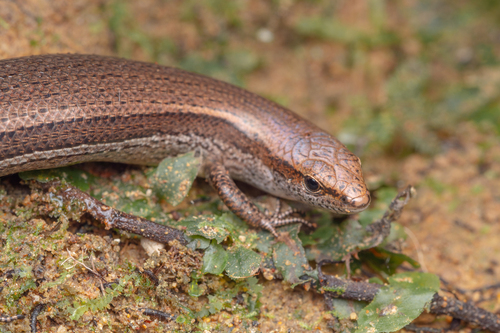


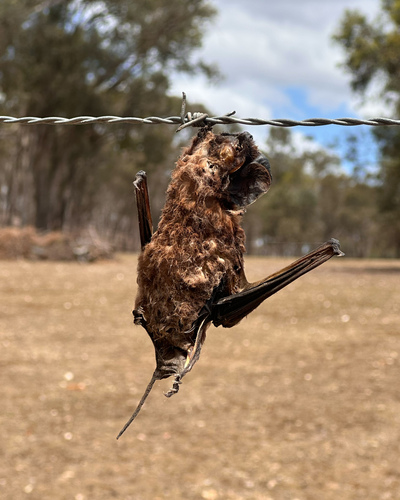


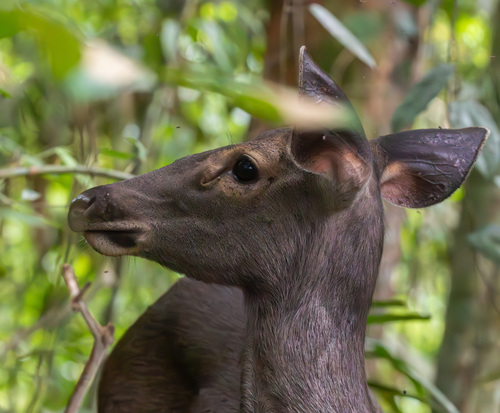



All 5 in 3 days here: ~40%
City
Melbourne
🇦🇺 Australia
Oceania, Australia 353 spp. recorded
Melbourne is the capital and most populous city of the Australian state of Victoria and the second-most populous city in Australia. The name is also used specifically to refer to the local government area, also named the City of Melbourne. Wikipedia
37.849° S 145.052° E
🦜 Nature

353 Species sighted
953,443 Verified sightings From 2019 to 2026
Nov Best month
⭐ Iconic Species
📊 Most Spotted
📊 Most Spotted
⭐ Iconic Species
📊 Most Spotted
📊 Most Spotted
📊 Most Spotted

 Ranoidea caerulea

LC
 Common Indian Toad
Duttaphrynus melanostictus
LC
 Plains Brown Tree Frog
Litoria paraewingi
📊 Most Spotted
🌙 Most active after dark
Challenges you can complete here


All 4 in 3 days here: ~20%
Recent sightings in Melbourne
LIVEiNaturalistWhere to look
Warmer areas are where all species together are recorded most often.
-
Jawbone Flora and Fauna Reserve
-
Ricketts Point
Daily sight. prob.vs avg Silver Gull~90%+40%
 Crested Tern~90%+80%
 Little Pied Cormorant~80%+40%
 Common Ringtail Possum~80%+50%
 Marbled Gecko~80%+50%
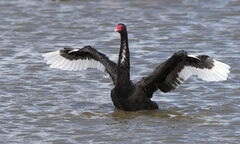 Black Swan~70%+50%
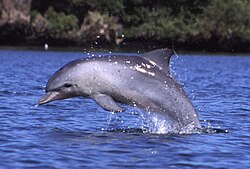 Indo-Pacific Bottlenose Dolphin~70%+60%
 Green Sea Turtle~70%+60%
-
La Trobe University Bundoora Campus
-
La Trobe University Bundoora
-
Royal Park · Trin Warren Tam-boore
-
Yalukit Willam Nature Reserve


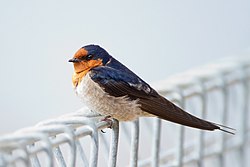


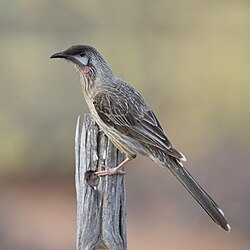


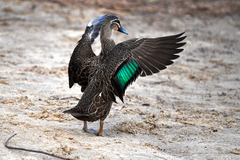

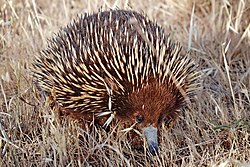


Sighting Calendar
How many species you'd see in a day
62Jan
63Feb
65Mar
60Apr
49May
40Jun
37Jul
42Aug
54Sep
62Oct
67Nov
67Dec
🏙️ City
Essentials
Green cover
High
Protected land
0.5%
Protected sea
0.1%
Protected areas
29
areasWildlife spots
12
spotsZoos & centres
3
placesClimate
Oceanic
Climate
Temp °C Rain mm
JanFebMarAprMayJunJulAugSepOctNovDec


0.0 World-class
Wallace's Line Score
How good is this city for seeing wildlife? 🦜
Biodiversity
ExcellentHow rich is the wildlife?
5.0
Species by taxon
🦅 Birds 527
🐒 Mammals 125
🦎 Reptiles 81
🐸 Amphibians 26
759 Total Species
679 Global average across 380 cities
64 Threatened 296 Endemic
🔭
Sighting
ExcellentHow likely to see animals?
4.4
🎯
Top-12 Avg Probability
70% 📊
Coverage (110 species at ≥5% of 759 in the inventory)
14% 🔀
Taxon variety in top 12 (12 bird)
0% 🌟
Iconic-group species (≥15%) (every species from the 19 iconic groups — monkeys, cats, toucans, macaws, sloths, crocodilians… — not just the 4 highlighted above)
4 ⭐
High-prob species (>40%)
24 🏕️
Experience
ExcellentHow easy and pleasant is the visit?
4.0
Climate Mixed Medium
Green cover High High
Protected land & sea 0.5% land Low
Protected areas 29 High
Wildlife spots 12 High
Zoos & centres 3 High
What visitors say
Before you go
What animals can you see in Melbourne?
353 species
Melbourne's urban area has 353 recorded vertebrate species. The ones wildlife watchers report most often on a given day are Coconut Lorikeet (about 90%), Australian Magpie (about 90%), Noisy Miner (about 80%), Little Raven (about 80%) and Magpie-lark (about 80%). Among mammals, the most-seen is Common Ringtail Possum (about 40%); among reptiles, Marbled Gecko (about 30%); among amphibians, Common Eastern Froglet (about 20%).
When is the best time to see wildlife in Melbourne?
Any time of year
Wildlife is about as easy to see all year: the city's 12 most-seen species average about 70% on a given day in every month with enough records.
Can you see a Little Raven in Melbourne?
Yes
About 80% of wildlife watchers report a Little Raven sighting in Melbourne on a given day, based on 35,770 verified sightings from GBIF citizen-science data from 2019 to 2026. The best time is July to September (about 90%).
Can you see a Noisy Miner in Melbourne?
Yes
About 80% of wildlife watchers report a Noisy Miner sighting in Melbourne on a given day, based on 40,982 verified sightings from GBIF citizen-science data from 2019 to 2026.
Can you see a Coconut Lorikeet in Melbourne?
Yes
About 90% of wildlife watchers report a Coconut Lorikeet sighting in Melbourne on a given day, based on 42,014 verified sightings from GBIF citizen-science data from 2019 to 2026. The best time is May to November (about 90%).
Where in Melbourne is wildlife easiest to see?
Royal Botanic Gardens Melbourne
The spot where most wildlife watchers record their sightings is Royal Botanic Gardens Melbourne (114 bird species recorded), followed by Banyule Flats Reserve and Royal Park. See them on the map.
Is Melbourne good for wildlife watching?
4.5 out of 5
On the Wallace's Line Score, which rates each city against other cities, Melbourne gets 4.5/5: 83rd of 380 cities worldwide and 3rd in Oceania. 29 of its species are reported by about 40% or more of wildlife watchers on a given day.
Nearest Cities


Nearest Parks


Nearest Zoos & Centres

Sources: urban area GHSL Urban Centre Database R2024A, European Commission JRC (CC BY 4.0) · protected land WDPA, UNEP-WCMC & IUCN (via GHSL) · climate NASA POWER · wildlife GBIF.org citizen-science data