


Completed


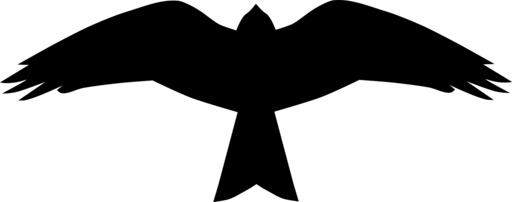
Yellow-billed Kite
Milvus aegyptius
Silhouette: Shyamal · PhyloPic
- KingdomAnimalia (Animals)
- PhylumChordata (Chordates)
- ClassAves (Birds)
- OrderAccipitriformes (Hawks, Eagles, Kites, and Allies)
- FamilyAccipitridae (Hawks, Eagles, and Kites)
- GenusMilvus (Milvus Kites)
- SpeciesMilvus aegyptius (Yellow-billed Kite)
In 3 days ~40% in a week ~60%
6 Verified sightings at Cairo
July Best month
☀️ Diurnal When it's spotted
About the Yellow-billed Kite
The yellow-billed kite (Milvus aegyptius) is the Afrotropical counterpart of the black kite (Milvus migrans), of which it is most often considered a subspecies. However, DNA studies suggest that the yellow-billed kite differs significantly from black kites in the Eurasian clade, and should be considered as a separate, allopatric species.
The yellow-billed kite was formally described in 1788 by the German naturalist Johann Friedrich Gmelin in his revised and expanded edition of Carl Linnaeus's Systema Naturae. He specified that the bird was found in Egypt, placed it with the eagles, falcons and relatives in the genus Falco and coined the binomial name Falco aegyptius. Unusually, Gmelin did not cite a source for his information. The yellow-billed kite is now one of three kites placed in the genus Milvus that was introduced in 1799 by the French naturalist Bernard Germain de Lacépède.
There are two subspecies: The yellow-billed kite was formerly considered as conspecific with the black kite (Milvus migrans). A molecular phylogenetic study published in 2005 compared DNA sequences of two mitochondrial loci of the red, black and yellow-billed kites. It found that there was... Wikipedia →
Recent sightings of Yellow-billed Kite in Cairo
LIVEiNaturalistGlobal Distribution
Parks Where Found
| # | Park | Country | Daily sighting probability |
|---|
More parks will be added in future updates.
Cities Where Found
| # | City | Country | Daily sighting probability |
|---|---|---|---|
| 1 | Cairo | 🇪🇬 Egypt |
Closest Relatives at Cairo


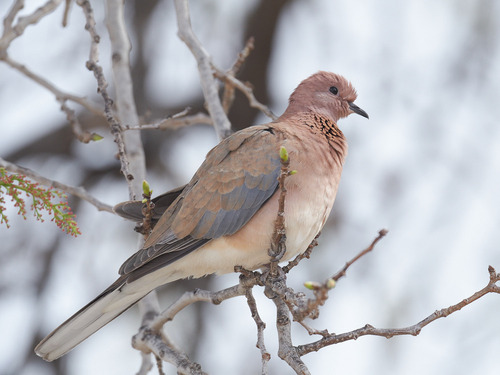


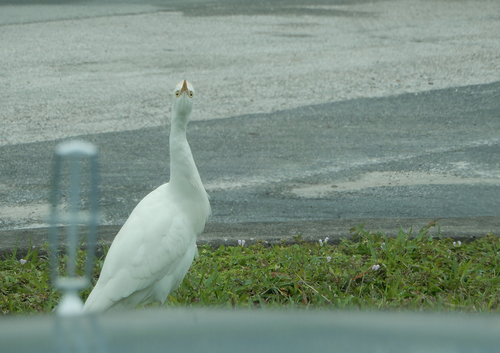

Before you go
What are the chances of seeing a Yellow-billed Kite in Cairo?
With luck
About 10% of wildlife watchers report a Yellow-billed Kite sighting in Cairo on a given day, based on 6 verified sightings from GBIF citizen-science data. It is the 40th most-seen of the 92 birds we can rate there. Over three days the chance rises to about 40%, and over a week to about 60%, if each day is a fresh chance.
When is the best time to see a Yellow-billed Kite in Cairo?
February and July
In those months about 30% of wildlife watchers report a Yellow-billed Kite in Cairo on a given day, against under 5% in January, April, June and August–November, the lowest months.
What time of day is best to see a Yellow-billed Kite?
Between 9 am and noon
Across all the parks we cover, that three-hour window holds the most Yellow-billed Kite sightings with a recorded time, and nearly all of them come between 6 am and 6 pm: it is a daytime animal.
Where else can you see a Yellow-billed Kite?
Only Cairo, in our data
Cairo is the only city on Wallace's Line with enough records to rate Yellow-billed Kite sightings: about 10% of wildlife watchers there report one on a given day.
Where does the Yellow-billed Kite sighting chance come from?
GBIF citizen-science records
It is estimated from how often the Yellow-billed Kite is recorded against all the birds logged in Cairo (6 verified sightings), calibrated against known sighting rates. Figures are rounded to the nearest 10% because citizen-science data supports honest approximations, not decimals, and months with records from fewer than five people show "—". How it works.
