Malaysian Moon Moth

Malaysian Moon Moth

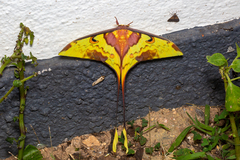
Actias maenas

Daily sighting probability ~20% · Possible
at Guwahati

In 3 days ~40% in a week ~70%

6 Verified sightings at Guwahati
32 In all 4 parks From 2019 to 2026
February Best month
☀️ Diurnal When it's spotted

About the Malaysian Moon Moth

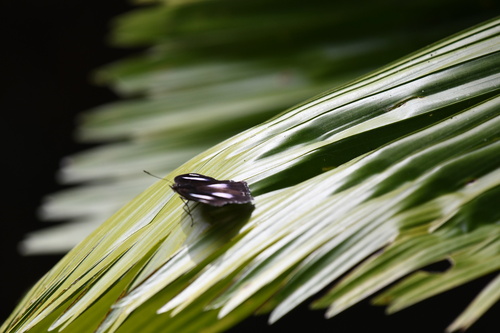
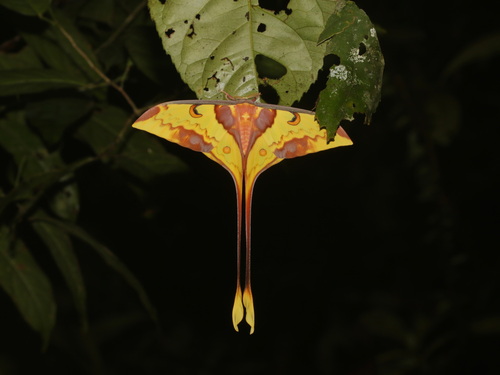
The Malaysian moon moth (Actias maenas) is a Saturniid in the subfamily Saturniinae from Indomalaya. The male is purplish-brown and yellow, while the larger female is overall light green. Actias rosenbergii (Kaup 1895) from Ambon is of doubtful status.

The Malaysian moon moth ranges from Malaysia, to Sumatra, Java, the Philippines, and the surrounding region in Southeast Asia. A population in the Western Ghats was described as a new species Actias keralensis in 2020. This species covers a diverse set of biomes, from tropical rainforests to evergreen forests.

The first instar larva is orange, with a black band surrounding the middle segments, and with a black head capsule. At the first moult, the second instar larva is green with yellow/orange tubercles, a brown head... Wikipedia →
Global Distribution

Parks Where Found

# Park Country Daily sighting probability
1 Danum Valley Conservation Area 🇲🇾 Malaysia
~20%
2 Kinabalu Park 🇲🇾 Malaysia
~10%
3 Khao Yai National Park 🇹🇭 Thailand
~10%
4 Khao Sok National Park 🇹🇭 Thailand
~10%

Cities Where Found

# City Country Daily sighting probability
1 Guwahati 🇮🇳 India
~20%

Before you go

What are the chances of seeing a Malaysian Moon Moth in Guwahati?

Possible

About 20% of wildlife watchers report a Malaysian Moon Moth sighting in Guwahati on a given day, based on 6 verified sightings from GBIF citizen-science data. It is the 50th most-seen of the 77 insects we can rate there. Over three days the chance rises to about 40%, and over a week to about 70%, if each day is a fresh chance.

When is the best time to see a Malaysian Moon Moth in Guwahati?

February

In that month about 60% of wildlife watchers report a Malaysian Moon Moth in Guwahati on a given day, against under 5% in March to January, the lowest months. That is one of Guwahati's driest months, with about 20 mm of rain against 370 mm in June.

What time of day is best to see a Malaysian Moon Moth?

Between 6 and 9 am

Across all the parks we cover, that three-hour window holds the most Malaysian Moon Moth sightings with a recorded time, and about 7 in 10 of them come between 6 am and 6 pm: it is a daytime animal.

Where else can you see a Malaysian Moon Moth?

Only Guwahati, in our data

Guwahati is the only city on Wallace's Line with enough records to rate Malaysian Moon Moth sightings: about 20% of wildlife watchers there report one on a given day.

Which relatives of the Malaysian Moon Moth live in Guwahati?

Same order: Lepidoptera

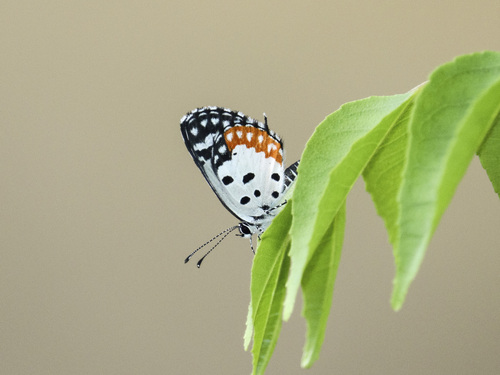
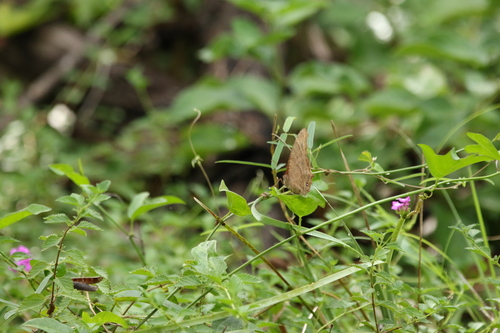
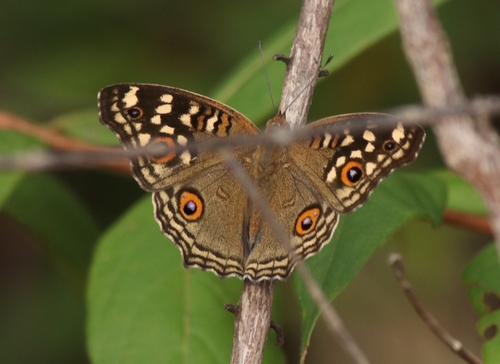
The closest relatives of the Malaysian Moon Moth that you can see in Guwahati (order Lepidoptera, Butterflies and Moths) are Red Pierrot (about 50%), Common Evening Brown (about 40%) and Common Mormon Swallowtail (about 40%), with each one's daily chance of a sighting.

Where does the Malaysian Moon Moth sighting chance come from?

GBIF citizen-science records

It is estimated from how often the Malaysian Moon Moth is recorded against all the insects logged in Guwahati (6 verified sightings), calibrated against known sighting rates. Figures are rounded to the nearest 10% because citizen-science data supports honest approximations, not decimals, and months with records from fewer than five people show "—". How it works.

← Back to Guwahati