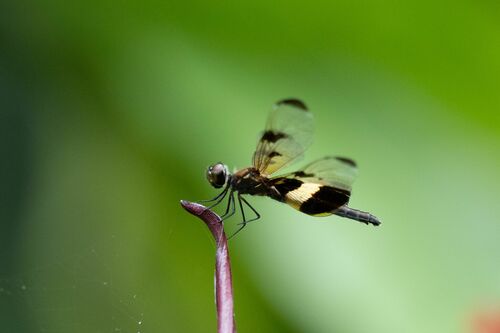
Marsh Dancer

Marsh Dancer

Onychargia atrocyana

Daily sighting probability ~30% · Possible
at Kolkata

In 3 days ~70% in a week ~90%

162 Verified sightings at Kolkata
25 In all 3 parks From 2019 to 2026
September Best month
☀️ Diurnal When it's spotted

About the Marsh Dancer

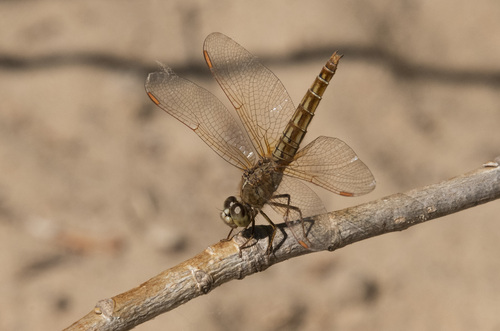
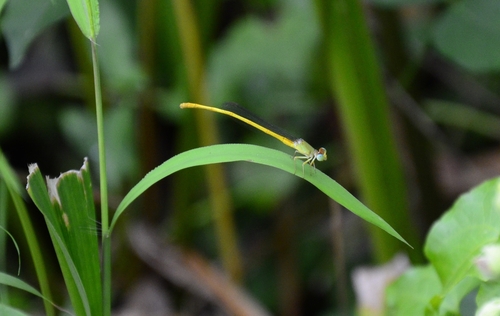
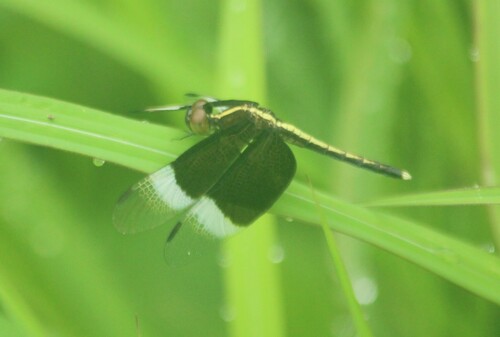
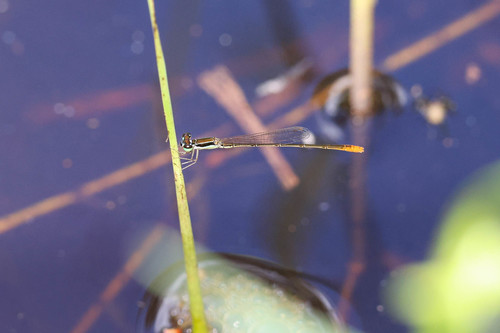
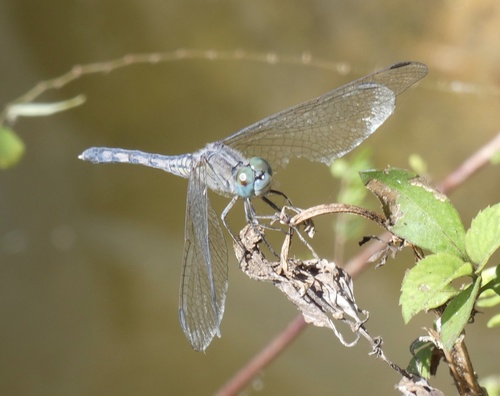
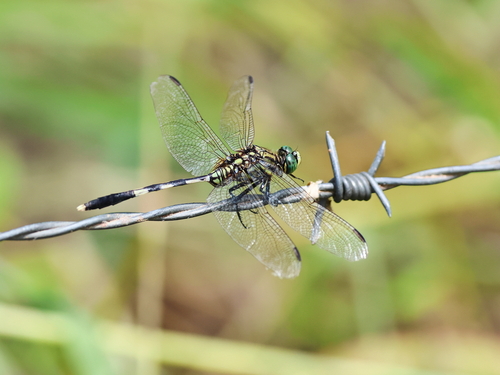
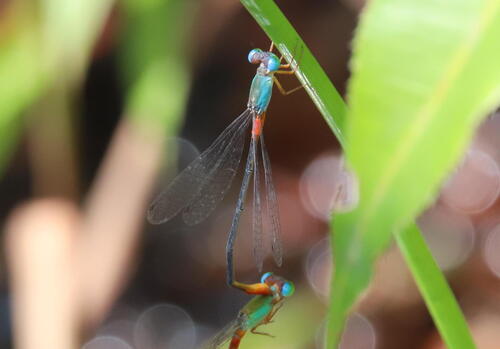
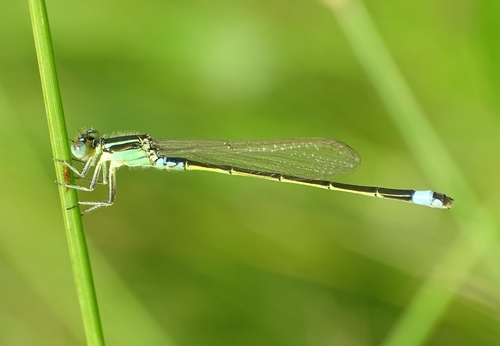
Onychargia atrocyana a species of damselfly in the family Platycnemididae. This species is commonly known as the marsh dancer or black marsh dart. It is found in Asia: Bangladesh, China, Hong Kong, Indonesia, India, Sri Lanka, Myanmar, Malaysia, Philippines, Peninsular Malaysia, Singapore, Thailand, Viet Nam.

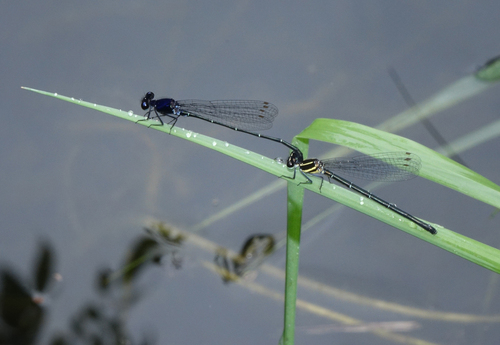
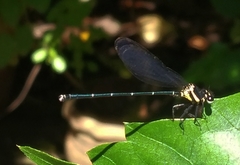
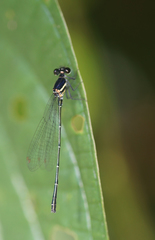
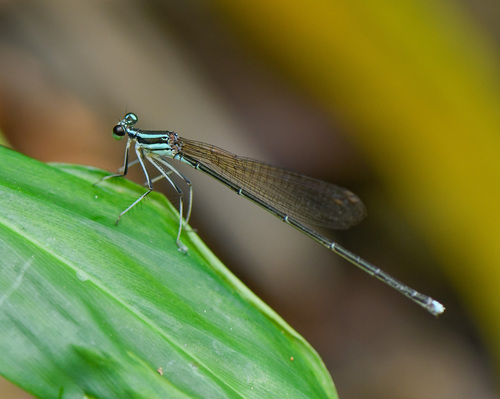
It is a medium sized damselfly with velvet-black head, thorax and black-capped brown eyes. The dorsum of the thorax has narrow citron-yellow ante humeral stripes in the sub-adult and teneral stage. The sides are citron-yellow, marked with a broad oblique black stripe over the postero-lateral suture in that stage. But all these marks are obscured by pruinescence in adults. Abdomen is black, unmarked in the adult; but with narrow bluish basal rings on segments 3 to 6. There are yellow marks on the lateral sides of segment 1 and 2 in sub-adults. Female is similar to the sub-adult male with yellow marks.

It breeds in ponds and marshes in forests. Wikipedia →

Global Distribution

Parks Where Found

# Park Country Daily sighting probability
1 Kinabatangan Wildlife Sanctuary 🇲🇾 Malaysia
~10%
2 Sepilok 🇲🇾 Malaysia
~10%
3 Khao Yai National Park 🇹🇭 Thailand
~10%

Cities Where Found

# City Country Daily sighting probability
1 Tamluk 🇮🇳 India
~30%
2 Kolkata 🇮🇳 India
~30%
3 Guwahati 🇮🇳 India
~30%
4 Dhaka 🇧🇩 Bangladesh
~30%
5 Colombo [Sri Jayawardenepura Kotte] 🇱🇰 Sri Lanka
~20%
6 Prayagraj 🇮🇳 India
~20%
7 Ho Chi Minh City 🇻🇳 Vietnam
~10%
8 Kochi 🇮🇳 India
~10%
9 Bangkok 🇹🇭 Thailand
~10%
10 New Delhi 🇮🇳 India
~10%

Before you go

What are the chances of seeing a Marsh Dancer in Kolkata?

Possible

About 30% of wildlife watchers report a Marsh Dancer sighting in Kolkata on a given day, based on 162 verified sightings from GBIF citizen-science data. It is the 10th most-seen of the 213 insects we can rate there. Over three days the chance rises to about 70%, and over a week to about 90%, if each day is a fresh chance.

When is the best time to see a Marsh Dancer in Kolkata?

March and September–October

In those months about 40% of wildlife watchers report a Marsh Dancer in Kolkata on a given day, against under 5% in December and January, the lowest months.

What time of day is best to see a Marsh Dancer?

Between 10 am and 1 pm

Across all the parks we cover, that three-hour window holds the most Marsh Dancer sightings with a recorded time, and about 9 in 10 of them come between 6 am and 6 pm: it is a daytime animal.

Is Kolkata the best place to see a Marsh Dancer?

Among the best

Of the 12 cities where we can rate Marsh Dancer sightings, Kolkata ranks 2nd at about 30%, level with the leaders once rounded. The best odds are in Tamluk (India, about 30%).

Which relatives of the Marsh Dancer live in Kolkata?

Same family: Platycnemididae

The closest relatives of the Marsh Dancer that you can see in Kolkata (family Platycnemididae, White-legged damselflies) are Black-Kneed Featherleg (about 10%) and Yellow Featherlegs (about 10%), with each one's daily chance of a sighting.

Where does the Marsh Dancer sighting chance come from?

GBIF citizen-science records

It is estimated from how often the Marsh Dancer is recorded against all the insects logged in Kolkata (162 verified sightings), calibrated against known sighting rates. Figures are rounded to the nearest 10% because citizen-science data supports honest approximations, not decimals, and months with records from fewer than five people show "—". How it works.

← Back to Kolkata