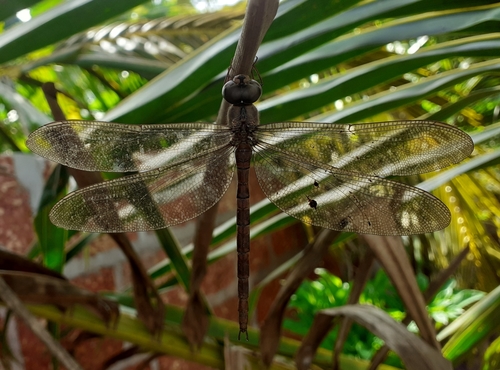
Indian Duskhawker

Indian Duskhawker

Gynacantha dravida

Daily sighting probability ~10% · With luck
at Kozhikode

In 3 days ~30% in a week ~50%

6 Verified sightings at Kozhikode
March Best month

About the Indian Duskhawker

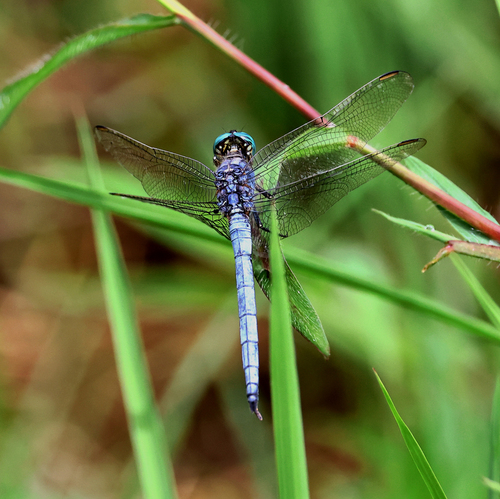
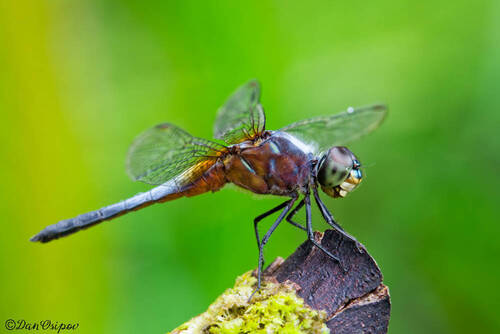
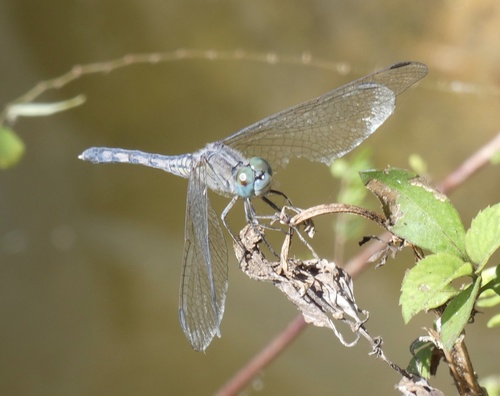
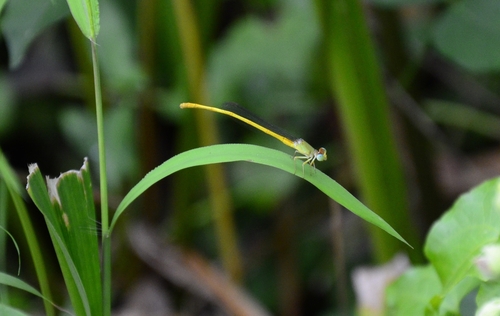
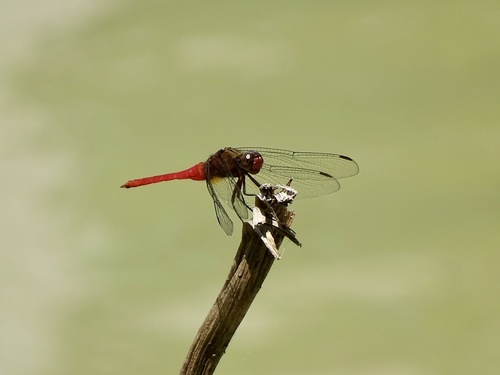
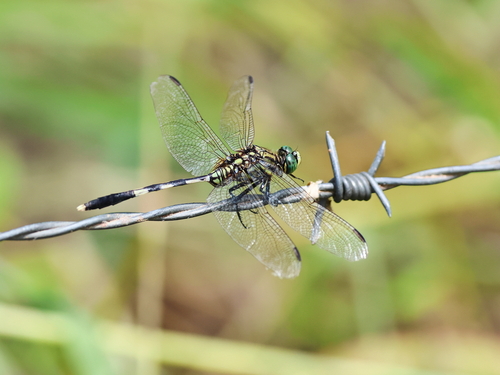
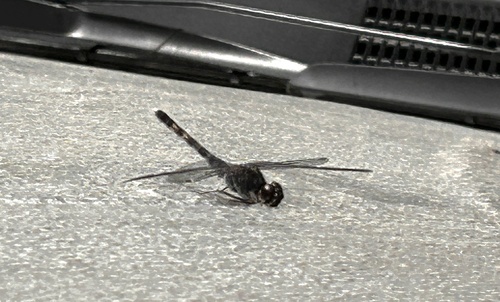
Gynacantha dravida, also known as Indian duskhawker or brown darner, is a species of dragonfly in the family Aeshnidae. It is found in India and Sri Lanka. It is a large dragonfly characterized by its homogeneous colouring of dull browns and greens, by its long and thin anal appendages, and by its crepuscular habits. Its principal food appears to be mosquitoes and microlepidoptera. During the day, it rests in dark thickets. Fully matured specimens have bright colours; blues and greens, developing very late in life. Young specimens have brown color with some dark shades. Females are exactly similar to the males in colors and markings.

It is very closely related to Gynacantha subinterrupta and it is difficult to distinguish them. But the relative lengths of the superior and inferior anal appendages are different. The inferior being more than one-third the length of superiors in G. dravida and less than one-third in G. subinterrupta.

List of odonates of India List of odonates of Sri Lanka List of odonata of Kerala Data related to Gynacantha dravida at Wikispecies Media related to Gynacantha dravida at... Wikipedia →

Global Distribution

Parks Where Found

# Park Country Daily sighting probability

More parks will be added in future updates.

Cities Where Found

# City Country Daily sighting probability
1 Kozhikode 🇮🇳 India
~10%
2 Colombo [Sri Jayawardenepura Kotte] 🇱🇰 Sri Lanka
~10%
3 Kochi 🇮🇳 India
~10%
4 Bengaluru 🇮🇳 India
~10%
5 Chennai 🇮🇳 India
~10%
6 Pune 🇮🇳 India
<5%

Before you go

What are the chances of seeing an Indian Duskhawker in Kozhikode?

With luck

About 10% of wildlife watchers report an Indian Duskhawker sighting in Kozhikode on a given day, based on 6 verified sightings from GBIF citizen-science data. It is the 121st most-seen of the 138 insects we can rate there. Over three days the chance rises to about 30%, and over a week to about 50%, if each day is a fresh chance.

When is the best time to see an Indian Duskhawker in Kozhikode?

January and March–May

In those months about 20% of wildlife watchers report an Indian Duskhawker in Kozhikode on a given day, against under 5% in February, June and August–December, the lowest months. Those are among Kozhikode's driest months, with about 80 mm of rain a month against 390 mm in June.

Is Kozhikode the best place to see an Indian Duskhawker?

Yes

Of the 6 cities where we can rate Indian Duskhawker sightings, Kozhikode has the highest daily chance: about 10%. Next come Colombo [Sri Jayawardenepura Kotte] (Sri Lanka, about 10%) and Kochi (India, about 10%).

Which relatives of the Indian Duskhawker live in Kozhikode?

Same order: Odonata

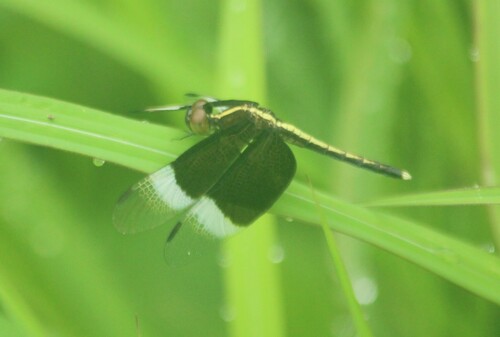
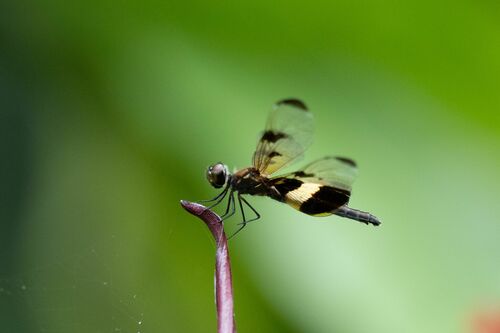
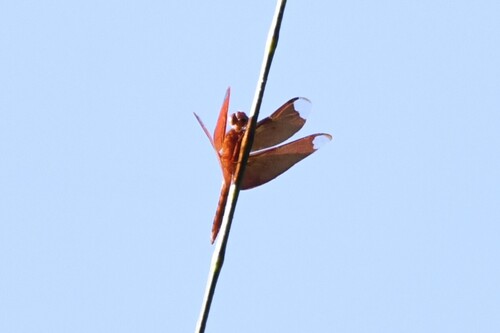
The closest relatives of the Indian Duskhawker that you can see in Kozhikode (order Odonata, Dragonflies and Damselflies) are Pied Paddy Skimmer (about 40%), Common Picture Wing (about 30%) and Russet Percher (about 20%), with each one's daily chance of a sighting.

Where does the Indian Duskhawker sighting chance come from?

GBIF citizen-science records

It is estimated from how often the Indian Duskhawker is recorded against all the insects logged in Kozhikode (6 verified sightings), calibrated against known sighting rates. Figures are rounded to the nearest 10% because citizen-science data supports honest approximations, not decimals, and months with records from fewer than five people show "—". How it works.

← Back to Kozhikode