





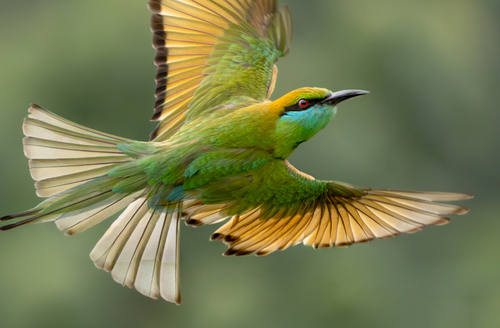


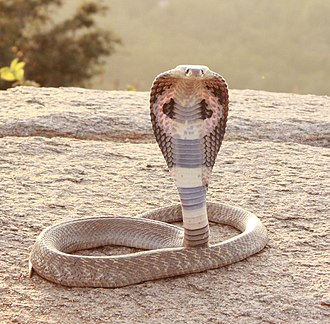


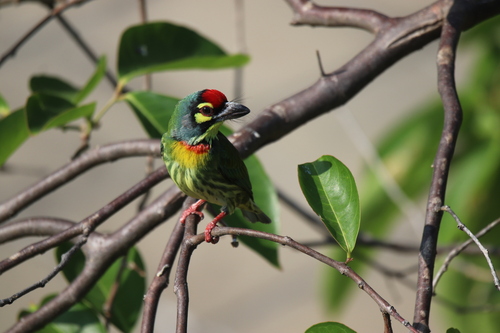


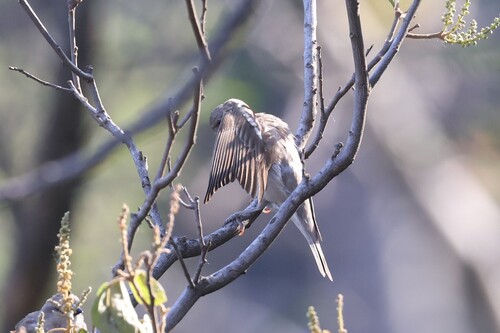




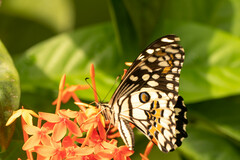
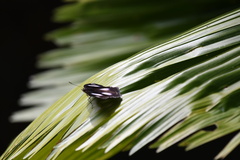
All 4 in 3 days here: ~20%
City
Pune
🇮🇳 India
Asia, India 355 spp. recorded
Pune, previously spelled in English as Poona, is a city in the state of Maharashtra in the Deccan Plateau in Western India. In terms of the total amount of land under its jurisdiction, Pune is the largest city in Maharashtra by area. The city of Pune is part of Pune Metropolitan Region. Wikipedia
18.565° N 73.859° E
🦜 Nature

355 Species sighted
422,594 Verified sightings From 2019 to 2026
Oct Best month
⭐ Iconic Species
📊 Most Spotted
📊 Most Spotted

LC
 Asian Long-tailed Climbing Mouse
Vandeleuria oleracea

LC
 Greater Bandicoot-rat
Bandicota indica

LC
 Wild Boar
Sus scrofa
⭐ Iconic Species
📊 Most Spotted
⭐ Iconic Species
📊 Most Spotted
📊 Most Spotted

LC
 Indian Balloon Frog
Uperodon globulosus

LC
 Alpine Cricket Frog
Fejervarya limnocharis

LC
 Nilphamarai Narrow-mouthed Frog
Microhyla nilphamariensis

LC
Hill Cricket Frog
Minervarya syhadrensis

LC
 Western Burrowing Frog
Sphaerotheca maskeyi
📊 Most Spotted
⭐ Iconic Species
🌙 Most active after dark
Challenges you can complete here
Recent sightings in Pune
LIVEiNaturalistWhere to look
Warmer areas are where all species together are recorded most often.
-
Vetal Tekdi/Hill (near ARAI)
-
Vitthal Mandir Riverstretch
-
Autadewadi Lake, Handewadi
-
Mohammadwadi Forest Reserve
-
Bharati Vidyapeeth Institute of Environment Education & Research (BVIEER)
Daily sight. prob.vs avg House Crow~90%+20%
 Black Kite~90%≈
 Common Indian Toad~90%+50%
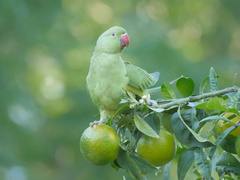 Rose-ringed Parakeet~80%+10%
 Rock Pigeon~80%≈
 Indian Flying Fox~60%+30%
 Northern Palm Squirrel~50%+20%
 Asian Long-tailed Climbing Mouse~50%+40%









Sighting Calendar
How many species you'd see in a day
42Jan
44Feb
44Mar
48Apr
45May
47Jun
50Jul
53Aug
61Sep
62Oct
55Nov
46Dec
🏙️ City
Essentials
Green cover
Low
Protected land
—
Protected sea
—
Protected areas
—
Wildlife spots
12
spotsZoos & centres
1
placesClimate
Tropical savanna
World Heritage
No
Climate
Temp °C Rain mm
JanFebMarAprMayJunJulAugSepOctNovDec
Zoos & rescue centres

0.0 World-class
Wallace's Line Score
How good is this city for seeing wildlife? 🦜
Biodiversity
ExcellentHow rich is the wildlife?
5.0
Species by taxon
🦅 Birds 522
🐒 Mammals 98
🦎 Reptiles 97
🐸 Amphibians 37
754 Total Species
679 Global average across 380 cities
46 Threatened 30 Endemic
🔭
Sighting
ExcellentHow likely to see animals?
4.5
🎯
Top-12 Avg Probability
67% 📊
Coverage (124 species at ≥5% of 754 in the inventory)
16% 🔀
Taxon variety in top 12 (12 bird)
0% 🌟
Iconic-group species (≥15%) (every species from the 19 iconic groups — monkeys, cats, toucans, macaws, sloths, crocodilians… — not just the 4 highlighted above)
6 ⭐
High-prob species (>40%)
20 🏕️
Experience
GoodHow easy and pleasant is the visit?
3.1
Climate Mixed Medium
Green cover Low Low
Protected land & sea — Low
Protected areas 0 Low
Wildlife spots 12 High
Zoos & centres 1 Medium
What visitors say
Before you go
What animals can you see in Pune?
355 species
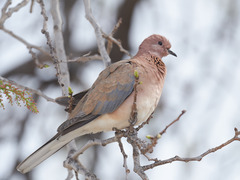
Pune's urban area has 355 recorded vertebrate species. The ones wildlife watchers report most often on a given day are Black Kite (about 80%), Rock Pigeon (about 80%), Rose-ringed Parakeet (about 80%), House Crow (about 70%) and Large-billed Crow (about 70%). Among mammals, the most-seen is Northern Palm Squirrel (about 30%); among reptiles, Oriental Garden Lizard (about 40%); among amphibians, Common Indian Toad (about 40%).
When is the best time to see wildlife in Pune?
February
In that month the city's 12 most-seen species average about 80% on a given day, against about 60% in May to December. That is one of Pune's driest months, with almost no rain against 520 mm in July.
Can you see a Trinket Snake in Pune?
Yes
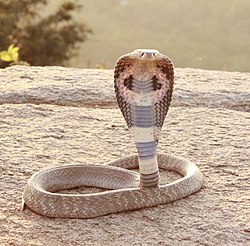
About 30% of wildlife watchers report a Trinket Snake sighting in Pune on a given day, based on 92 verified sightings from GBIF citizen-science data from 2019 to 2026. The best time is January and June–August (about 40%).
Can you see a Dusky Crag Martin in Pune?
Yes
About 50% of wildlife watchers report a Dusky Crag Martin sighting in Pune on a given day, based on 7,433 verified sightings from GBIF citizen-science data from 2019 to 2026. The best time is September (about 60%).
Can you see a Spot-breasted Fantail in Pune?
Yes
About 40% of wildlife watchers report a Spot-breasted Fantail sighting in Pune on a given day, based on 5,836 verified sightings from GBIF citizen-science data from 2019 to 2026. The best time is March–May and July (about 50%).
Where in Pune is wildlife easiest to see?
Vetal Tekdi/Hill (near ARAI)
The spot where most wildlife watchers record their sightings is Vetal Tekdi/Hill (near ARAI) (238 bird species recorded), followed by Fergusson College Campus and Pashan Lake. See them on the map.
Is Pune good for wildlife watching?
4.7 out of 5
On the Wallace's Line Score, which rates each city against other cities, Pune gets 4.7/5: 56th of 380 cities worldwide and 26th in Asia. 26 of its species are reported by about 40% or more of wildlife watchers on a given day.
Nearest Cities


Nearest Parks


Nearest Zoos & Centres


Sources: urban area GHSL Urban Centre Database R2024A, European Commission JRC (CC BY 4.0) · protected land WDPA, UNEP-WCMC & IUCN (via GHSL) · climate NASA POWER · wildlife GBIF.org citizen-science data