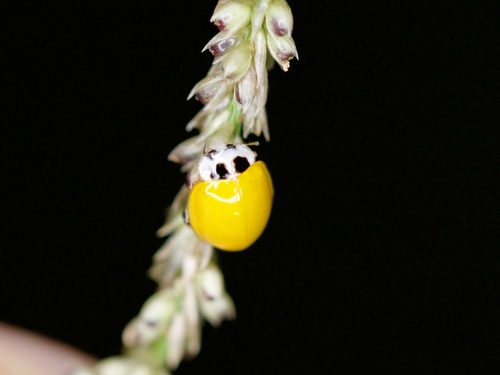
Lebbek Borer

Lebbek Borer

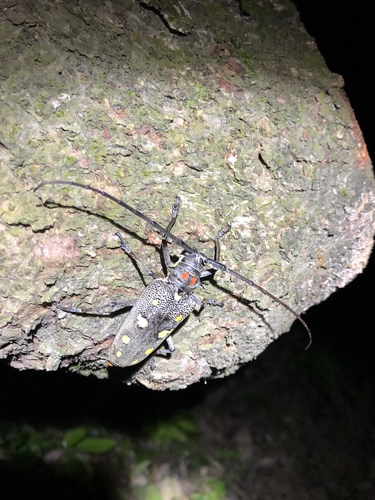
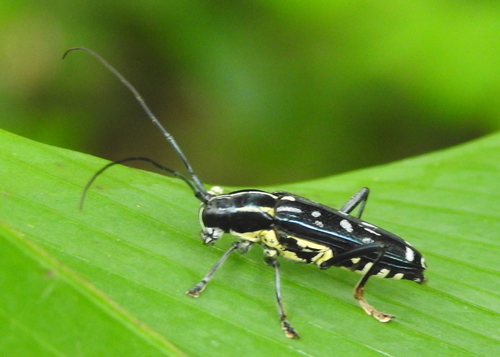
Xystrocera globosa

Daily sighting probability <5% · Rare
at Kuala Lumpur

In 3 days ~10% in a week ~30%

5 Verified sightings at Kuala Lumpur
October Best month
☀️🌙 Day & Night When it's spotted

About the Lebbek Borer

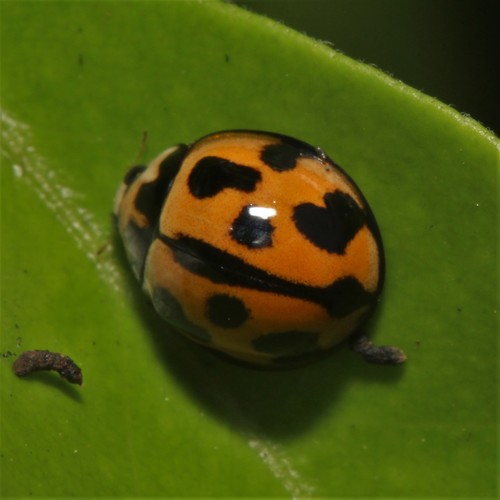
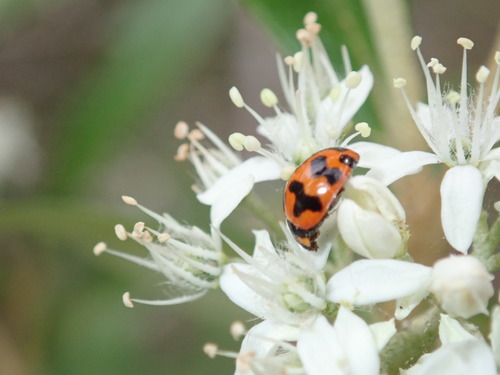
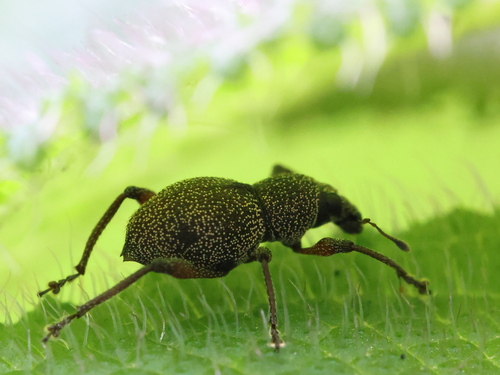
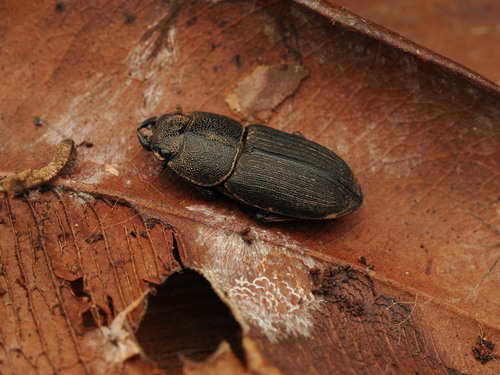
Xystrocera globosa is a species of beetle in the family Cerambycidae. It was described by Guillaume-Antoine Olivier in 1795. It is distributed widely in southern and southeast Asia, as well as Australasia, and has been introduced to other parts of the world.

Xystrocera globosa was first scientifically described by Guillaume-Antoine Olivier in 1795 with the name Cerambix globosus, as part of the fourth volume of Entomologie, ou Histoire Naturelle des Insectes (transl. Entomology, or Natural History of Insects). He described its appearance and colour and noted that it was found around Batavia. A later volume of the series, published in 1808, provided illustrations of the species described, including C. globosus.

The current genus name, Xystrocera, derives from two Greek words: ξύστρα, meaning a grooming tool, and χέρας, meaning a horn. The genus Xystrocera was established by Jean Guillaume Audinet-Serville in 1834 and X. globosa was classified in it since its inception. Although Serville did not designate a type species for his genus, X. globosa has been retroactively designated for it.

Xystrocera globosa has several common names: it is known as the "Lebbek borer", the... Wikipedia →
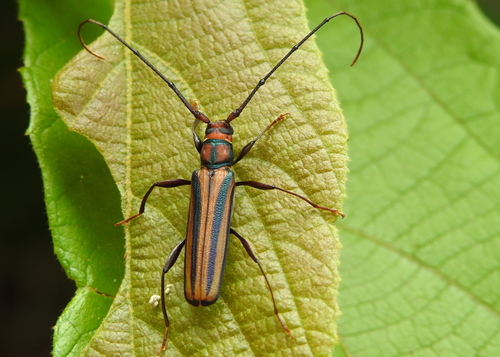
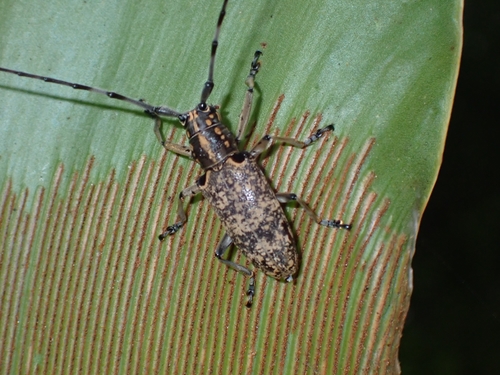
Global Distribution

Parks Where Found

# Park Country Daily sighting probability

More parks will be added in future updates.

Cities Where Found

# City Country Daily sighting probability
1 Singapore 🇸🇬 Singapore
~10%
2 Bengaluru 🇮🇳 India
~10%
3 Kolkata 🇮🇳 India
~10%
4 Shanghai 🇨🇳 China
~10%
5 Taipei 🇹🇼 Taiwan
<5%
6 Tuen Mun 🇨🇳 China
<5%
7 Kuala Lumpur 🇲🇾 Malaysia
<5%
8 Kochi 🇮🇳 India
<5%
9 Bangkok 🇹🇭 Thailand
<5%

Before you go

What are the chances of seeing a Lebbek Borer in Kuala Lumpur?

Rare

Under 5% of wildlife watchers report a Lebbek Borer sighting in Kuala Lumpur on a given day, based on 5 verified sightings from GBIF citizen-science data. It is the 273rd most-seen of the 323 insects we can rate there. Over three days the chance rises to about 10%, and over a week to about 30%, if each day is a fresh chance.

When is the best time to see a Lebbek Borer in Kuala Lumpur?

January, April–May and October

In those months about 10% of wildlife watchers report a Lebbek Borer in Kuala Lumpur on a given day, against under 5% in February–March, June–September and November–December, the lowest months.

What time of day is best to see a Lebbek Borer?

Between 9 pm and midnight

Across all the parks we cover, that three-hour window holds the most Lebbek Borer sightings with a recorded time, and about 6 in 10 of them come between 6 am and 6 pm: it is seen both by day and at night.

Is Kuala Lumpur the best place to see a Lebbek Borer?

7th of 9

Of the 9 cities where we can rate Lebbek Borer sightings, Kuala Lumpur ranks 7th at under 5%. The best odds are in Singapore (Singapore, about 10%), Bengaluru (India, about 10%) and Kolkata (India, about 10%).

Which relatives of the Lebbek Borer live in Kuala Lumpur?

Same family: Cerambycidae

The closest relatives of the Lebbek Borer that you can see in Kuala Lumpur (family Cerambycidae, Longhorn Beetles) are Epepeotes luscus (about 10%), Mango Longhorn Beetle (about 10%) and Glenea elegans (about 10%), with each one's daily chance of a sighting.

Where does the Lebbek Borer sighting chance come from?

GBIF citizen-science records

It is estimated from how often the Lebbek Borer is recorded against all the insects logged in Kuala Lumpur (5 verified sightings), calibrated against known sighting rates. Figures are rounded to the nearest 10% because citizen-science data supports honest approximations, not decimals, and months with records from fewer than five people show "—". How it works.

← Back to Kuala Lumpur