





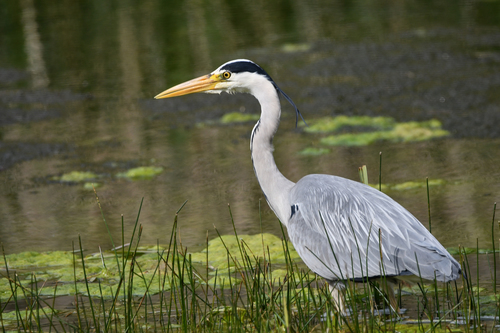


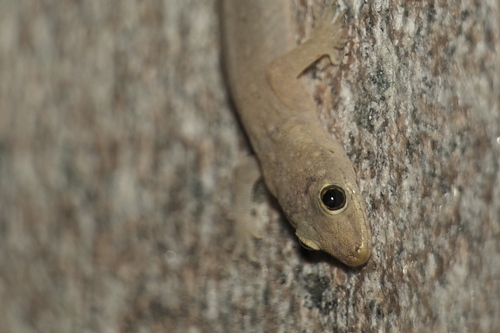


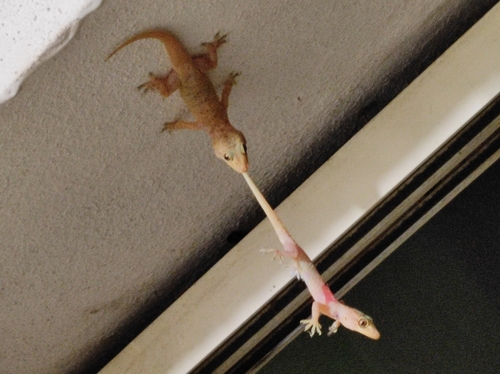


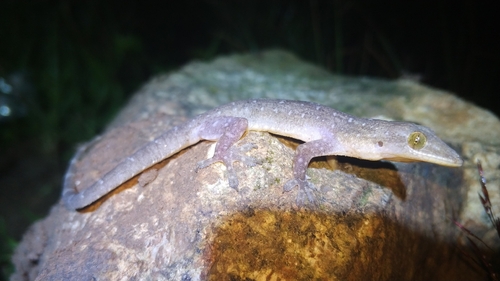
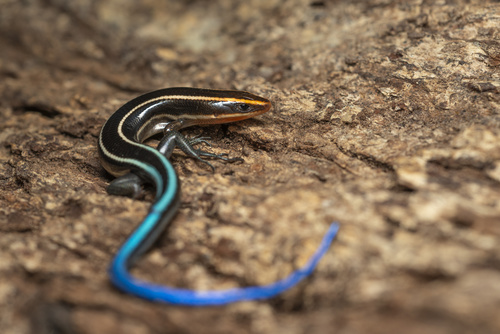


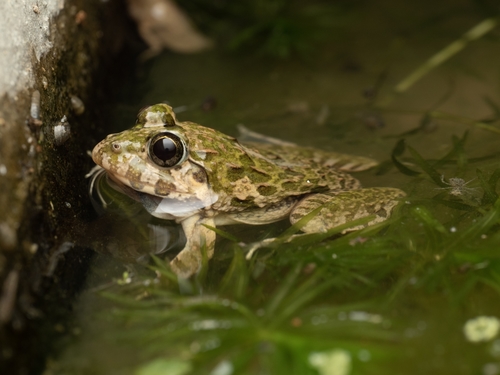

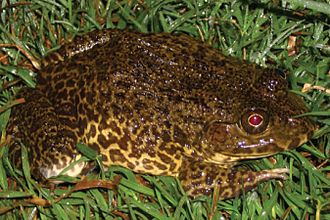





All 4 in 3 days here: ~10%
City
Tuen Mun
🇨🇳 China
Asia, China 369 spp. recorded
Tuen Mun or Castle Peak is an area near the mouth of Tuen Mun River and Castle Peak Bay in the west of New Territories, Hong Kong. It was one of the earliest settlements in what is now Hong Kong and can be dated to the Neolithic period. In the more recent past, it was home to many Tanka fishermen who gathered at Castle Peak Bay. Wikipedia
22.417° N 114.007° E
🦜 Nature

369 Species sighted
32,967 Verified sightings From 2019 to 2026
May Best month
⭐ Iconic Species
📊 Most Spotted
📊 Most Spotted

 Mongoose
Herpestes javanicus
LC
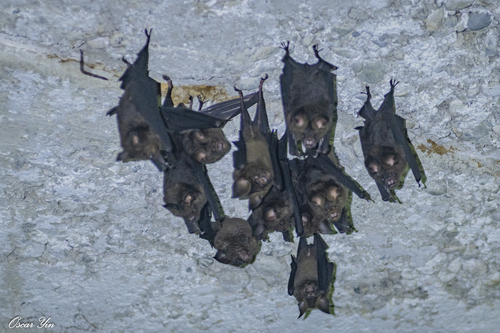
 Great Roundleaf Bat
Hipposideros armiger

LC
Brown Rat
Rattus norvegicus

LC
 Asian House Shrew
Suncus murinus
LC
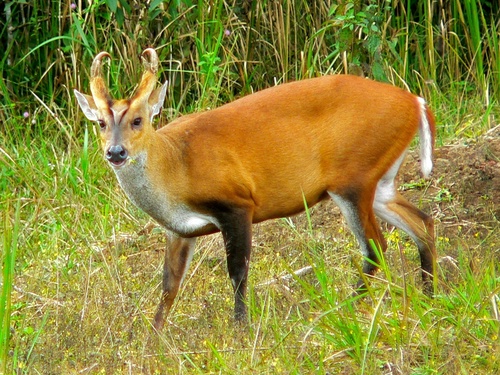
 Indian Muntjac
Muntiacus muntjak

NT
 Leschenault’s Rousette
Rousettus leschenaultii

LC
 Chinese Noctule
Nyctalus plancyi

LC
 Masked Palm Civet
Paguma larvata
⭐ Iconic Species
📊 Most Spotted
📊 Most Spotted
📊 Most Spotted

LC
 Ornate Chorus Frog
Microhyla fissipes

LC
 Large Odorous Frog
Odorrana graminea

LC
LaTouche's Frog
Hylarana latouchii
📊 Most Spotted
⭐ Iconic Species
🌙 Most active after dark
Challenges you can complete here
Recent sightings in Tuen Mun
LIVEiNaturalistWhere to look
Warmer areas are where all species together are recorded most often.
-
Hong Kong Wetland Park · mudflat hide
-
Kam Sheung Road Station
-
Hong Kong Wetland Park paths
-
Hong Kong Wetland Park · Wetland Centre






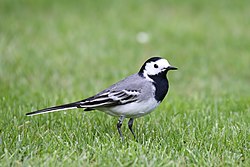


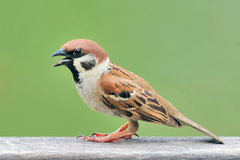




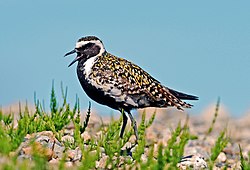


Sighting Calendar
How many species you'd see in a day
48Jan
51Feb
61Mar
75Apr
82May
78Jun
76Jul
73Aug
73Sep
72Oct
68Nov
55Dec
🏙️ City
Essentials
Green cover
Medium
Protected land
7%
Protected sea
0.6%
Protected areas
3
areasWildlife spots
12
spotsZoos & centres
1
placesClimate
Humid subtropical
World Heritage
No
Climate
Temp °C Rain mm
JanFebMarAprMayJunJulAugSepOctNovDec
Zoos & rescue centres

0.0 Excellent
Wallace's Line Score
How good is this city for seeing wildlife? 🦜
Biodiversity
Very goodHow rich is the wildlife?
4.4
Species by taxon
🦅 Birds 670
🐒 Mammals 129
🦎 Reptiles 129
🐸 Amphibians 36
964 Total Species
679 Global average across 380 cities
76 Threatened 0 Endemic
🔭
Sighting
Very goodHow likely to see animals?
4.2
🎯
Top-12 Avg Probability
68% 📊
Coverage (128 species at ≥5% of 964 in the inventory)
13% 🔀
Taxon variety in top 12 (12 bird)
0% 🌟
Iconic-group species (≥15%) (every species from the 19 iconic groups — monkeys, cats, toucans, macaws, sloths, crocodilians… — not just the 4 highlighted above)
1 ⭐
High-prob species (>40%)
22 🏕️
Experience
ExcellentHow easy and pleasant is the visit?
4.2
Climate Mixed Medium
Green cover Medium Medium
Protected land & sea 7% land · 0.6% sea High
Protected areas 3 Medium
Wildlife spots 12 High
Zoos & centres 1 Medium
What visitors say
Before you go
What animals can you see in Tuen Mun?
369 species
Tuen Mun's urban area has 369 recorded vertebrate species. The ones wildlife watchers report most often on a given day are Pearl-necked Dove (about 80%), Red-whiskered Bulbul (about 80%), Little Egret (about 70%), Black-collared Starling (about 70%) and Light-vented Bulbul (about 70%). Among mammals, the most-seen is Greater Short-nosed Fruit Bat (about 20%); among reptiles, Longtail Mabuya (about 40%); among amphibians, Common Indian Toad (about 30%).
When is the best time to see wildlife in Tuen Mun?
May–September and November–January
In those months the city's 12 most-seen species average about 70% on a given day, against about 60% in February–April and October.
Can you see a Black-collared Starling in Tuen Mun?
Yes
About 70% of wildlife watchers report a Black-collared Starling sighting in Tuen Mun on a given day, based on 944 verified sightings from GBIF citizen-science data from 2019 to 2026. The best time is June and August (about 90%).
Can you see a Masked Laughingthrush in Tuen Mun?
Yes
About 60% of wildlife watchers report a Masked Laughingthrush sighting in Tuen Mun on a given day, based on 750 verified sightings from GBIF citizen-science data from 2019 to 2026. The best time is May (about 70%).
Can you see a Red-whiskered Bulbul in Tuen Mun?
Yes
About 80% of wildlife watchers report a Red-whiskered Bulbul sighting in Tuen Mun on a given day, based on 1,110 verified sightings from GBIF citizen-science data from 2019 to 2026. The best time is July (over 90%).
Where in Tuen Mun is wildlife easiest to see?
Nam Sang Wai Wetland
The spot where most wildlife watchers record their sightings is Nam Sang Wai Wetland (174 bird species recorded), followed by Hong Kong Wetland Park and Shek Kong Airfield Road. See them on the map.
Is Tuen Mun good for wildlife watching?
4.3 out of 5
On the Wallace's Line Score, which rates each city against other cities, Tuen Mun gets 4.3/5: 160th of 380 cities worldwide and 66th in Asia. 25 of its species are reported by about 40% or more of wildlife watchers on a given day.
Nearest Cities


Nearest Parks


Nearest Zoos & Centres


Sources: urban area GHSL Urban Centre Database R2024A, European Commission JRC (CC BY 4.0) · protected land WDPA, UNEP-WCMC & IUCN (via GHSL) · climate NASA POWER · wildlife GBIF.org citizen-science data